Augmented Reality: The Mind-Blowing Technology Set to Transform Our Daily Lives
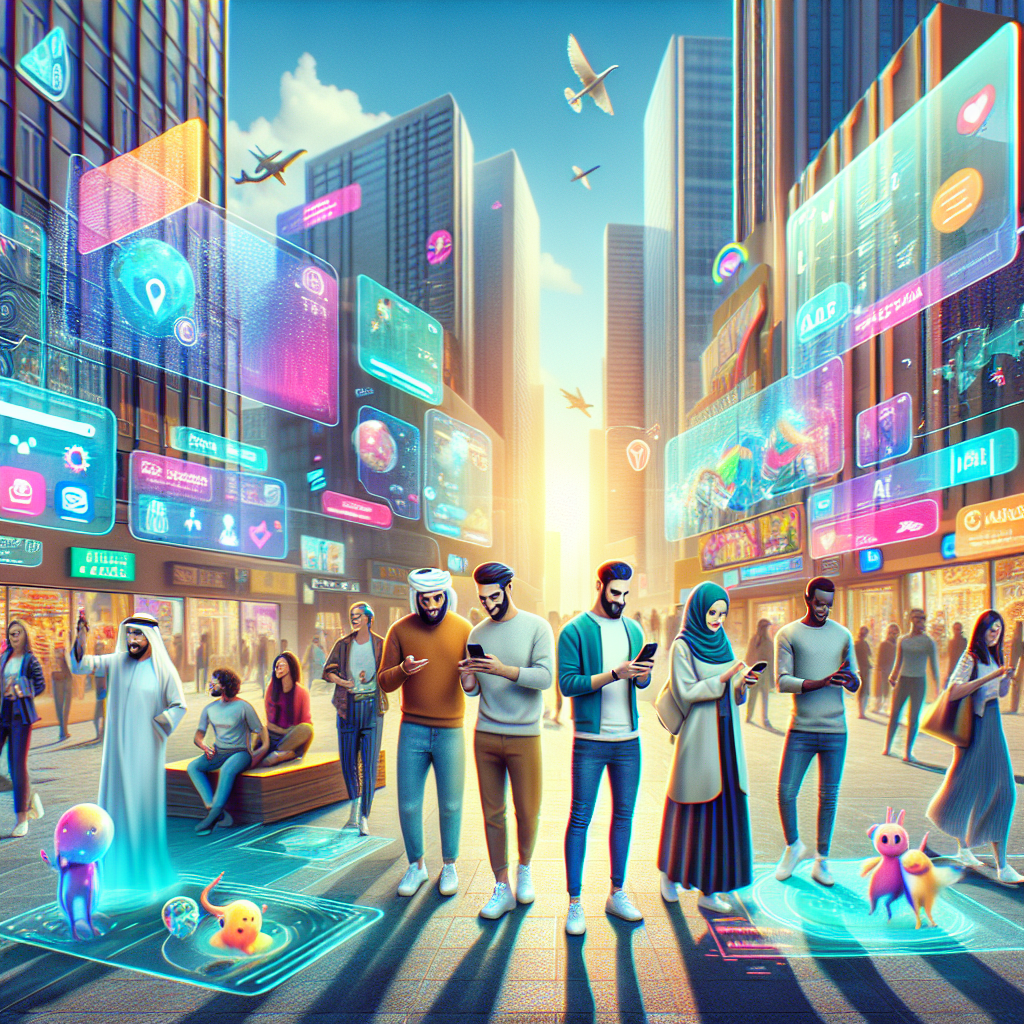
Imagine walking down the street, and suddenly, you see vibrant interactive images layered over the real world around you. This isn't science fiction; it's augmented reality (AR), a groundbreaking technology that blends the digital and physical worlds. As AR becomes more prevalent, its potential to enrich our everyday experiences is immense, and the implications are astonishing.
What is Augmented Reality?
At its core, augmented reality enhances our reality by overlaying digital information—such as images, sounds, or even text—onto the physical world. Unlike virtual reality, which immerses users in a completely digital environment, AR allows users to interact with both digital elements and their real surroundings. It's similar to the filters we use on social media, but much more immersive and functional.
Applications That Matter
Augmented reality is already making waves across various sectors. From healthcare to education, AR is setting a new standard for how we learn and interact with our environments. Surgeons use AR to visualize critical information during operations, while students can explore complex concepts in an interactive manner.
Retail stores are leveraging AR too; imagine trying on clothes virtually before making a purchase or seeing how a piece of furniture would look in your living room through your smartphone camera. These applications not only enhance customer experience but also streamline shopping decisions, giving consumers confidence in their purchases.
Fun and Games: The AR Revolution in Entertainment
Entertainment has not been left behind. With the success of AR games like Pokémon Go, millions have embraced the interplay of gaming and real-world exploration. This phenomenon doesn't just capture imaginations; it encourages outdoor activities and social interactions, which can be beneficial for mental health.
A Glimpse into the Future
As AR technology continues to advance, we can expect even more exciting developments. From live language translation where signs and menus appear in your preferred language to real-time navigation guides overlaid on your view, the horizons for AR are limitless. Experts suggest that within the next decade, augmented reality could become an everyday tool, much like smartphones are today.
Challenges Ahead
Despite its promise, augmented reality is not without challenges. Issues such as privacy concerns and the digital divide between those who have access to technology and those who don’t can hinder its widespread adoption. Moreover, ethical considerations about how AR is used for advertising and personal data collection are prompting discussions amongst policymakers and technologists.
Conclusion: Embracing the Change
Augmented reality presents us with a fascinating glimpse into a future where our interactions with the physical world can be enhanced in ways we are only beginning to comprehend. As this technology evolves, it invites us to rethink how we connect with our environments, learn, and shop. The key to fully realizing the potential of AR lies in addressing its challenges and ensuring that it serves as a tool for everyone, enriching lives without compromising privacy or equity.

