
Beyond the Pyramids: How Egyptian Myths Still Shape Our World Today
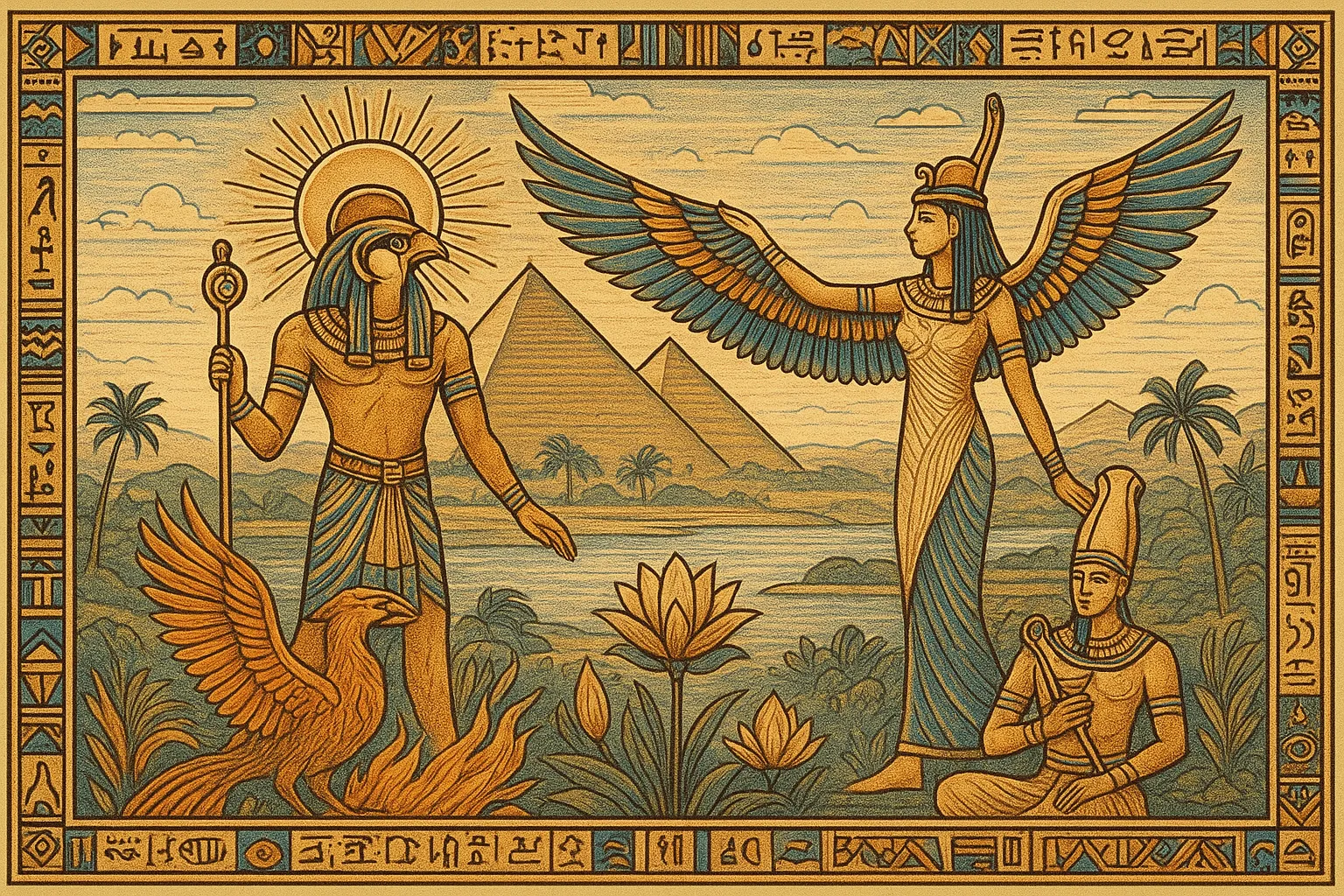
When we think of Egyptian mythology, images of formidable pharaohs, grand pyramids, and ancient gods come to mind. However, what many don't realize is that these age-old stories and beliefs are still interwoven into our modern culture, influencing everything from art to psychology. Join me as we explore the lasting legacy of Egyptian mythology and its relevance in today's world.
The Pantheon of Gods: More Than Just Tales
At the heart of Egyptian mythology is an impressive pantheon of gods and goddesses, from the wise Thoth to the sky goddess Nut. These deities were not mere figments of imagination; they represented natural forces, societal norms, and human emotions. The Egyptians viewed their gods as active participants in their lives. For instance, the sun god Ra, who journeyed across the sky, symbolized the cycle of life and death, a thematic element that resonates even in today's spiritual philosophies.
The Rich Tapestry of Stories
Mythology isn't just about deities; it's also about the tales that bind them together. The Story of Osiris, for example, is a dramatic narrative of betrayal, resurrection, and redemption, mirroring many stories found in modern literature and film. This cycle of life, death, and rebirth has become a vital theme in various cultures around the world, emphasizing the universal need for hope and renewal.
Architecture and Art: Echoes of an Ancient Civilization
The visual artistry of ancient Egypt, from hieroglyphics to monumental structures, still captivates our imaginations. Modern architecture and graphic design often draw inspiration from ancient Egyptian motifs. The concept of balance and symmetry, strongly emphasized in Egyptian art, has made its way into contemporary aesthetics, symbolizing order and stability in a chaotic world.
Psychology and the Human Experience
Interestingly, the legends of Egyptian mythology offer valuable insights into human psychology. They provide archetypes that help us understand our motivations, fears, and desires. For instance, the struggle between Horus and Seth teaches us about the duality of good and evil, a theme deeply embedded in human consciousness. By examining these myths, psychologists can gain a better understanding of our collective psyche.
Conclusion: A Living Legacy
In conclusion, Egyptian mythology is not just a relic of the past; it is a living legacy that continues to shape our world. From the themes borrowed in literature and art to the psychological insights that remain relevant, the influence of these ancient tales can be felt in various facets of modern life. As we delve deeper into the narratives of the past, we uncover truths that not only enrich our understanding of history but also illuminate the human experience today.


