Buzzing Secrets: How Bees Use Dance to Communicate
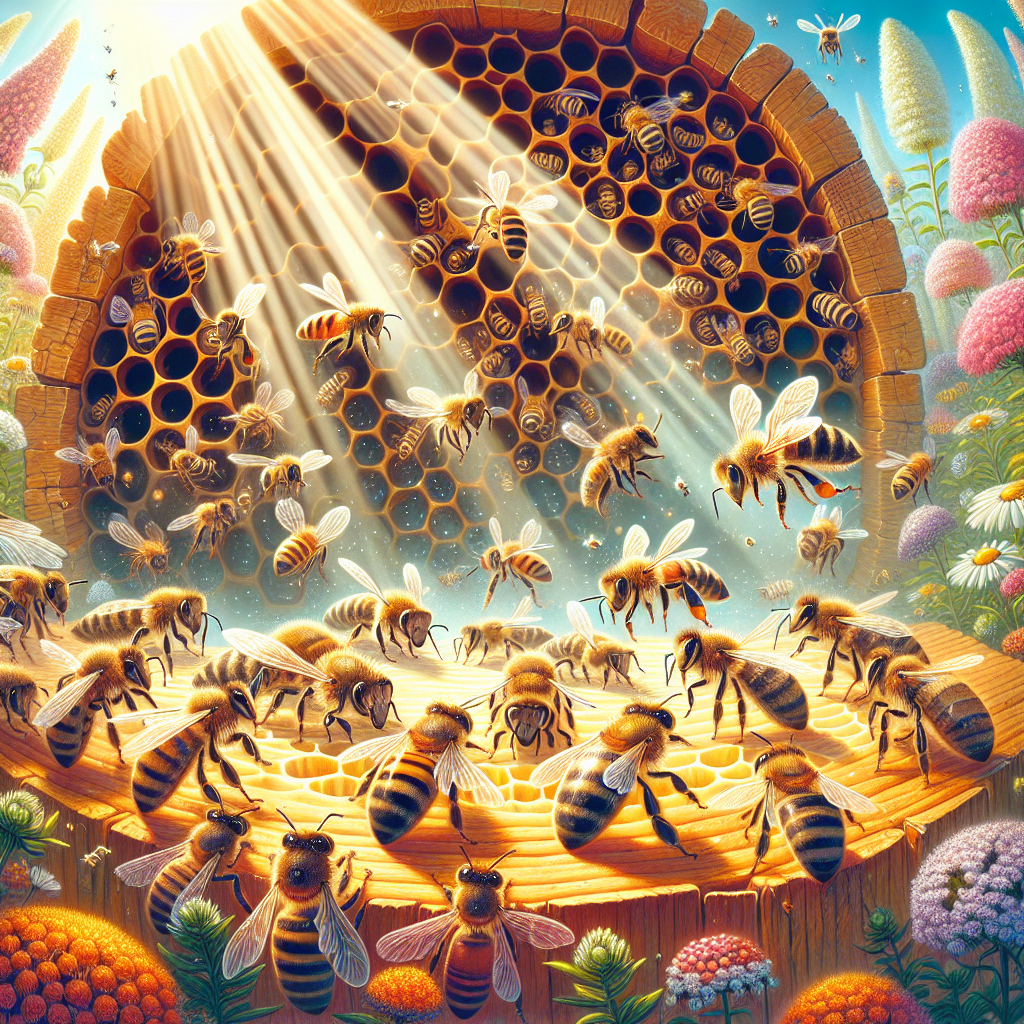
In a world filled with chatter and noise, understanding communication takes many forms. But how do creatures as small as bees convey crucial information? Recent studies reveal that bees have a surprisingly complex way of sharing information, a method that is equal parts artistry and biology. Let’s dive into the buzzing world of bees to discover how these tiny beings manage to communicate so effectively.
The Secret Language of Dance
Unlike humans, bees don't chatter or text to relay messages. Instead, they perform intricate dances. The most famous of these is the "waggle dance." When a foraging bee discovers a bountiful food source, it returns to the hive and dances to convey the precise location of that food to its companions. The direction of the dance indicates the direction of the food concerning the sun, while the duration of the waggle part of the dance indicates the distance to the source. It’s a remarkable example of how movement can communicate complex information efficiently.
Vibrations and Chemical Signals
But dancing is just one aspect of the bee communication repertoire. Bees also use vibrations to communicate with each other. When they need to alert the hive to danger or contact fellow bees, they can produce specific vibrations through their bodies. These vibrations serve as alerts, telling other bees whether to stay put or take caution. Coupled with pheromones—chemical signals that convey messages such as alarm or attract mates—bees have developed a multifaceted communication system that ensures everyone is on the same page.
More Than Just Buzzing: The Implications for Ecological Health
The communication methods of bees aren't just fascinating; they also have larger implications for our environment. Bees play a critical role in pollinating plants, which is vital for food production and maintaining ecosystems. By understanding how they communicate, we can better appreciate their contributions and advocate for their protection. The decline in bee populations due to pesticides, habitat loss, and climate change is a cause for concern, underlining the urgent need to protect these essential communicators.
Final Thoughts
From their elaborate dances to their intricate use of chemicals and vibrations, bees have mastered a language that is as nuanced as it is effective. They remind us that communication is a universal need that transcends boundaries, whether in the animal kingdom or human society. By recognizing the importance of bees and their unique way of communicating, we can work towards ensuring their survival and, in turn, the health of our planet. Who knew that buzzing could carry such significant meaning?

