Cultural Anthropology: Why Understanding Our Differences Could Save Humanity
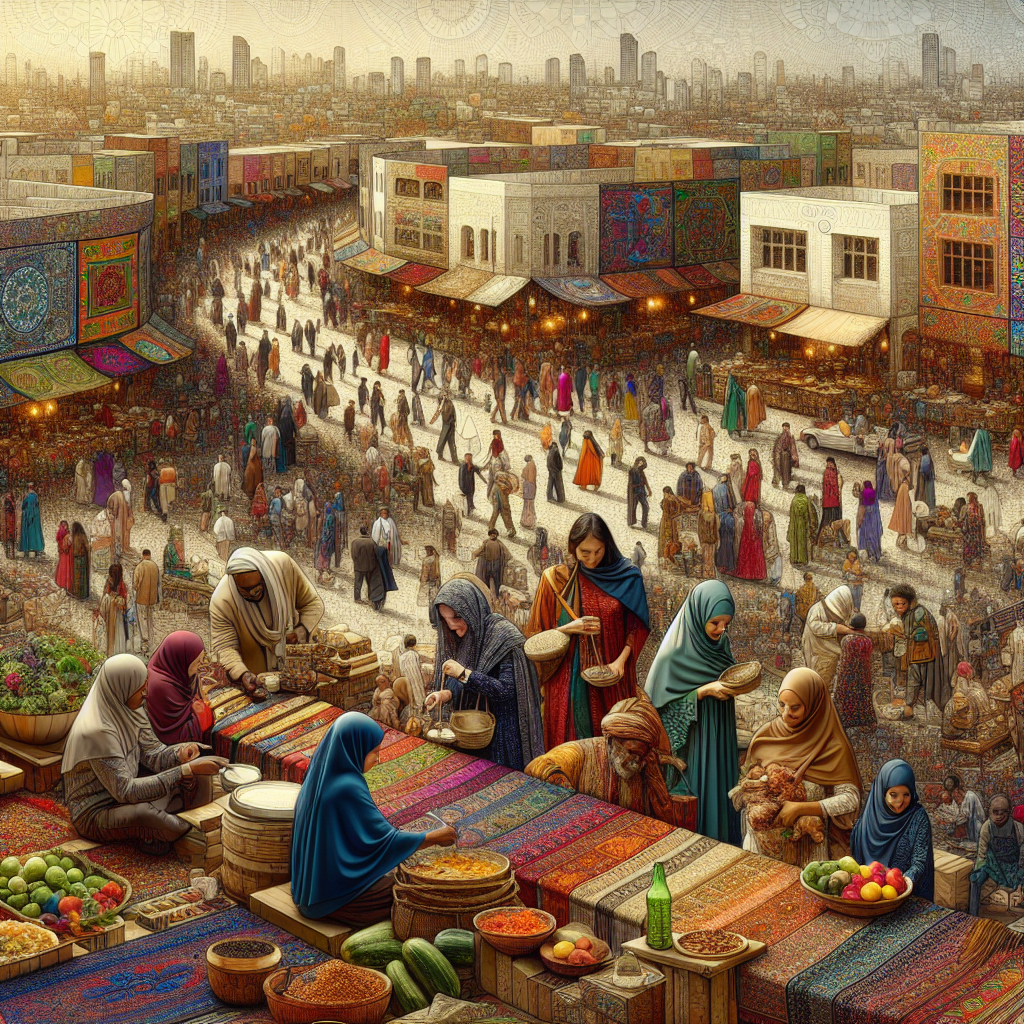
In an increasingly interconnected world, the insights gleaned from cultural anthropology are more crucial than ever. This field goes beyond mere observation of customs, beliefs, and behaviors; it challenges us to understand the very fabric that weaves societies together. But what exactly is cultural anthropology, and why should we care?
The Essence of Cultural Anthropology
Cultural anthropology is the study of cultures, traditions, and social practices among human societies. From the rituals of small tribal communities to the modern pursuits of urbanized societies, cultural anthropologists dig beneath the surface to understand the complexities of human life. They use methods like participant observation, interviews, and exhaustive fieldwork, often immersing themselves in the cultures they study.
Decoding Daily Life: The Role of Cultural Anthropology
To the average person, cultural anthropology might seem like an academic pursuit with little relevance to daily life. However, its applications are vast and practical. For example, understanding cultural differences can lead to better communication in global businesses. Companies that invest in cultural training for their employees find that it significantly enhances their success rates in international markets.
Unraveling the Threads of Human Identity
At its core, cultural anthropology asks profound questions about identity: Who are we, and how do our cultures shape us? In a world where globalization blurs cultural lines, anthropologists strive to showcase the richness of diversity. For instance, indigenous cultures teach us valuable lessons about sustainability and communal living, which can enrich modern society's often individualistic approach.
Cultural Anthropology in Crisis: The Cultural Appropriation Debate
In recent years, cultural appropriation has sparked heated debates. While borrowing elements from one culture can foster appreciation, it can also result in misrepresentation and exploitation, particularly from marginalized groups. Cultural anthropologists provide a nuanced perspective on these issues, urging society to engage with cultures respectfully and thoughtfully. Their insights can help us navigate the fine line between appreciation and appropriation.
The Future of Cultural Anthropology: Bridging the Gaps
As we face global challenges such as climate change, political conflict, and social inequality, the insights from cultural anthropology are essential for fostering empathy and understanding. By appreciating the differences and shared experiences that shape our world, we can build a future that is not only aware of but also celebrates its cultural mosaic.
Final Thoughts: Why You Should Care
Cultural anthropology isn't just for academics—it's for everyone. Understanding different cultures helps reduce prejudice and fosters peaceful coexistence. In a world full of challenges, the knowledge offered by cultural anthropology equips us with the tools to bridge divides and create a more harmonious existence. Engaging with this field could be one of the most valuable investments we make for our collective future.

