Decentralized Finance: The Revolutionary Shift That’s Redefining Money for Everyone
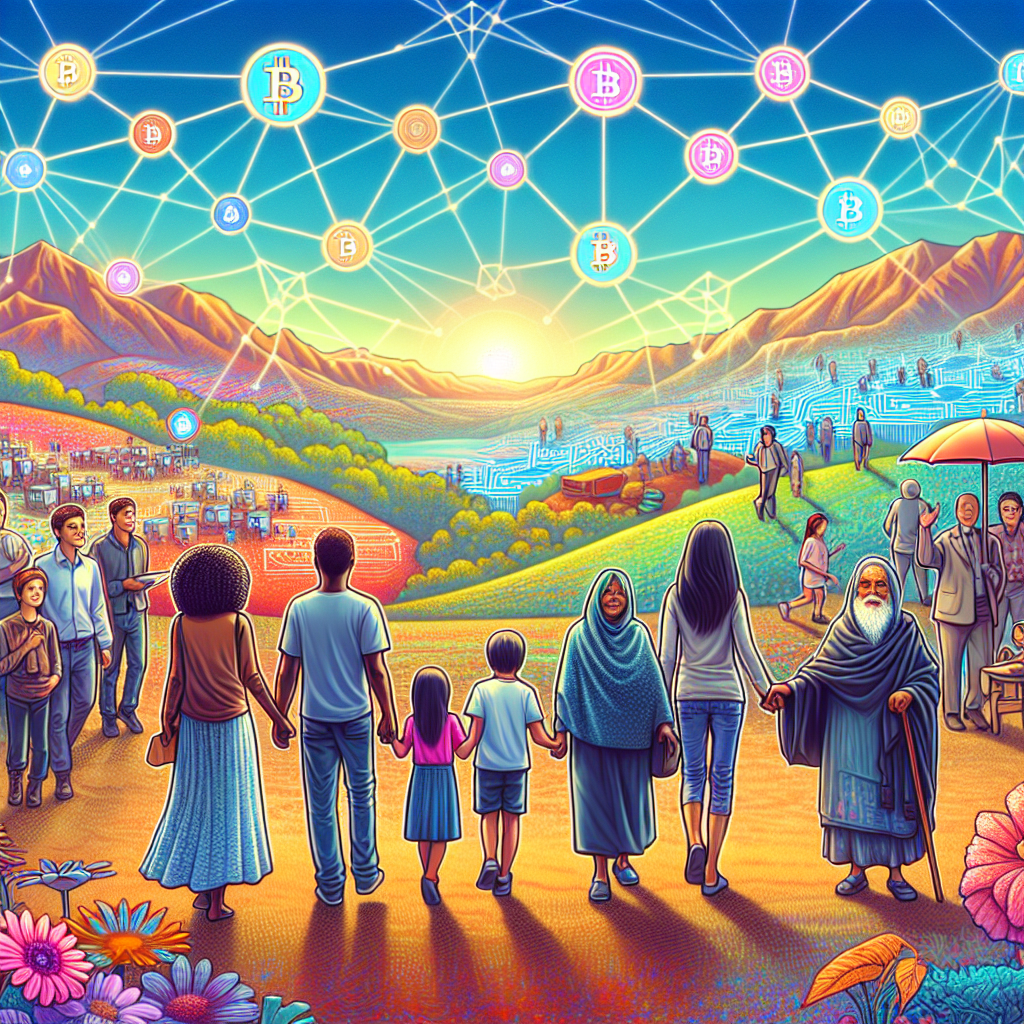
In recent years, a quiet revolution has been ushering in a new era in the world of finance. With the rise of decentralized finance (DeFi), traditional banking systems are facing unprecedented disruption. But what does this mean for the average person? Is it just a buzzword for tech enthusiasts, or could it truly change the way we think about money?
What is DeFi?
At its core, decentralized finance refers to a system of financial services built on blockchain technology that aims to operate without the need for intermediaries like banks or brokers. Imagine being able to lend, borrow, or trade without anyone standing in the way—this is the promise of DeFi. Platforms like Uniswap and Compound harness smart contracts, which are self-executing agreements with the terms directly written into code, to facilitate these transactions automatically and securely.
Why Should You Care?
The traditional financial system has long been marred by high fees, slow transaction times, and limited access for many individuals globally. DeFi seeks to provide an alternative—one that is open to anyone with internet access. You don’t need a bank account or a high credit score to participate. This inclusivity is vital, especially in a world where millions remain unbanked or underbanked.
The Benefits of Decentralized Finance
1. Access to Financial Services: DeFi ecosystems allow individuals to engage in financial activities such as lending and earning interest on savings without geographic or economic barriers.
2. Transparency: All transactions are recorded on the blockchain, making them traceable and verifiable. This transparency builds trust, as users can independently confirm the integrity of the system.
3. Lower Fees: By eliminating intermediaries, many DeFi platforms can offer significantly reduced fees compared to traditional financial institutions.
Potential Risks to Consider
While DeFi offers promising benefits, it’s not without its risks. As a relatively new and evolving space, DeFi can be rife with security vulnerabilities and scams. The complex nature of smart contracts also means that a minor coding error can result in significant losses. Moreover, regulatory uncertainties mean that the landscape could change suddenly, impacting how these platforms operate.
Conclusion: A Future Full of Possibilities
Decentralized finance has the potential to redefine our understanding of money and banking. As more people become aware of its benefits and challenges, the conversation about the future of finance will continue to evolve. Whether you’re an investor, a small business owner, or just an everyday individual, keeping an eye on DeFi developments could empower you with new tools and opportunities to manage your finances.
So, are you ready to explore what decentralized finance has to offer? The future of money might be just a blockchain away.

