Decoding the Roman Empire: What We Can Learn From Its Rise and Fall
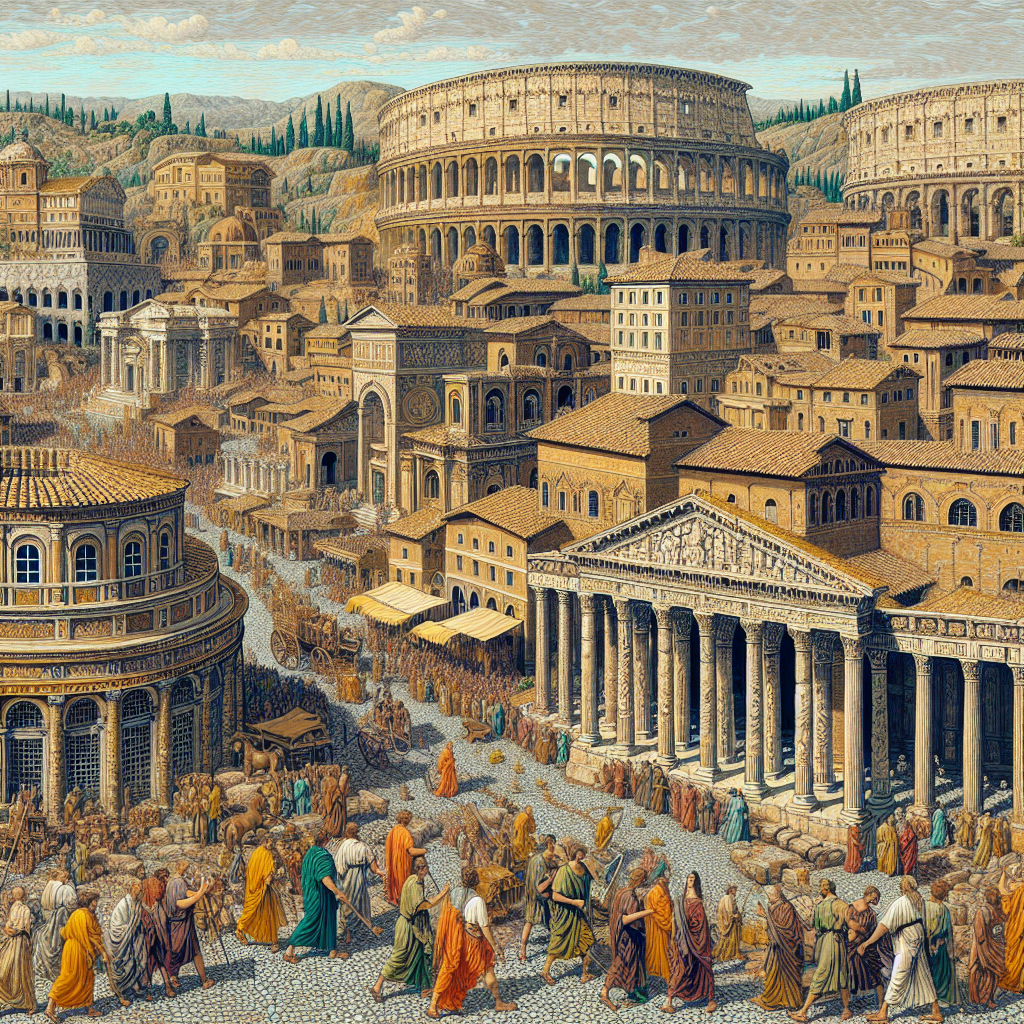
The Roman Empire, often romanticized in movies and literature, was a monumental civilization that once dominated much of Europe, North Africa, and parts of Asia. Its legacy is colossal, influencing law, governance, architecture, and even language in ways that continue to resonate today. Despite its eventual collapse, the story of Rome offers invaluable lessons about power, culture, and the fragility of empires. But what makes this ancient civilization so captivating, and what can we learn from its journey?
The Birth of an Empire
Founded in 753 BC, Rome began as a small city-state. Its strategic location near the Tiber River allowed for trade and military advantages, setting the stage for rapid expansion. By embracing a mixture of diplomatic cunning and military prowess, Rome unified the Italian peninsula and began its path to becoming a dominance in the Mediterranean. This rise was not merely due to conquest; the Romans were exceptional at integrating conquered peoples, offering citizenship and a degree of self-governance.
The Architectural Marvels
One of the most enduring legacies of the Roman Empire is its incredible architecture. Structures like the Colosseum and aqueducts showcase not only their engineering skills but also their understanding of urban living. The Romans mastered the use of arches, concrete, and road construction, creating impressive infrastructure that allowed for efficient movement of troops and trade. Today, many of these architectural principles still inform modern construction methods.
Cultural Assimilation and Influence
Rome was a melting pot of cultures, absorbing elements from the Etruscans, Greeks, and numerous other civilizations. This cultural amalgamation enriched Roman society, reflected in their art, religion, and literature. Latin, the language of the Romans, has evolved into the Romance languages we know today—Spanish, French, Italian, and more. The concept of a shared cultural identity within a vast empire suggests a model for contemporary societies grappling with diversity.
The Unraveling: Lessons from Decline
The fall of the Roman Empire is often attributed to various factors: economic troubles, military losses, and internal strife. Yet, a major contributing factor was the inability to adapt to emerging challenges. In some ways, the decline serves as a cautionary tale about overreach and the importance of resilience and adaptability in governance. Today's leaders could glean insights from Rome's failures, understanding that while growth is crucial, sustainability is key.
Enduring Legacy
Ultimately, the Roman Empire's incredible story is not solely about its triumphs, but about the lessons it imparts on culture, governance, and resilience. Much of our legal systems, ideas about civic duty, and even global infrastructure have their roots in Roman practices. By studying Rome, we aren't just learning about the past; we're uncovering strategies for navigating the complexities of the modern world.
In conclusion, the rise and fall of the Roman Empire is more than a historical account; it's an ongoing conversation. As we face our own challenges today—be it in governance, social cohesion, or economic stability—understanding the intricate tapestry of Roman history can provide valuable perspectives. The empire may have fallen, but its lessons live on.

