Dive Deep into the Unknown: How Oceanography Can Save Our Planet
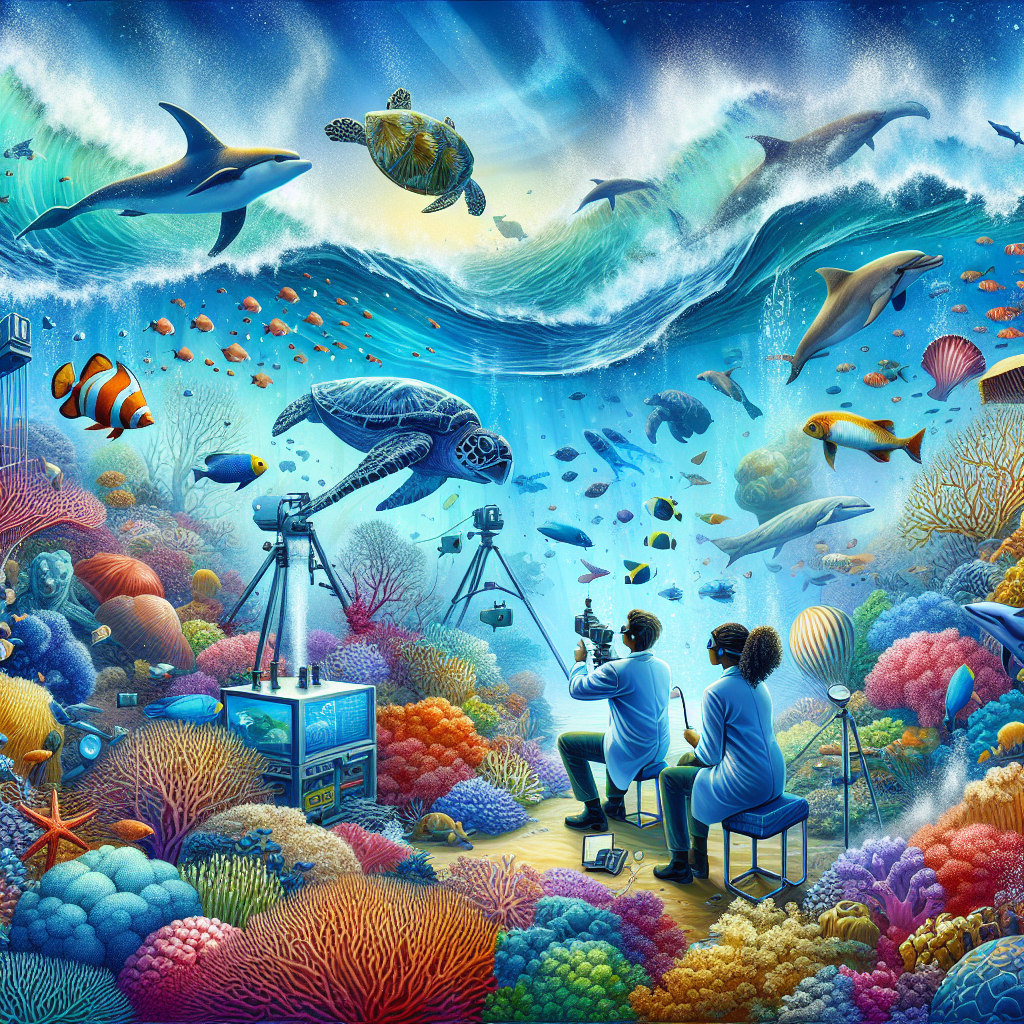
As the world's oceans face unprecedented challenges from climate change, pollution, and overfishing, oceanography emerges as a crucial field that offers insights and solutions to protect our blue planet. But what exactly is oceanography, and why should we care? Buckle up as we take a journey through the depths of our seas and the vital role of this scientific discipline.
What is Oceanography?
Oceanography is the study of the ocean, encompassing a variety of scientific disciplines including biology, chemistry, geology, and physics. Think of it as the science that helps us understand how the oceans function, their ecosystems, and how they interact with the atmosphere and land. With 71% of the Earth's surface covered by saltwater, the oceans have a profound impact on climate, weather patterns, and the life that inhabits our planet.
Why is Oceanography Important?
In a rapidly changing world, oceanography plays an essential role in addressing some of humanity's most pressing issues. Here are a few reasons why the work of oceanographers is more critical than ever:
- Climate Change: Oceans absorb approximately 30% of the carbon dioxide emitted into the atmosphere, buffering climate change but also leading to acidification. Understanding these processes helps us mitigate impacts on marine life.
- Marine Biodiversity: With 230,000 known marine species and many more yet to be discovered, oceanographers study these ecosystems to promote biodiversity conservation and sustainable practices.
- Resource Management: Oceans provide significant resources such as fish, minerals, and energy. Oceanography informs sustainable practices, preventing overexploitation and ensuring these resources are available for future generations.
The Thrilling Discoveries of Oceanography
From the majestic migrations of whales to the mysterious depths of hydrothermal vents, oceanography has revealed many wonders. Recent advances include the discovery of new species and ecosystems at the bottom of the Mariana Trench, the deepest part of the Earth’s oceans, and understanding the effects of underwater volcanic eruptions on global weather patterns.
Moreover, technologies such as remote sensing and autonomous underwater vehicles (AUVs) have revolutionized the way we explore and study the oceans. This tech not only makes it easier for scientists to gather data, but it also enhances our understanding of how oceans affect our world.
What Can You Do to Help?
Supporting oceanographic research doesn’t require a lab coat or watery boots! Here are some practical ways you can contribute to ocean health:
- Reduce Plastic Use: Every year, millions of tons of plastic end up in the oceans. Reducing your plastic consumption can help mitigate this problem.
- Support Sustainable Seafood: By choosing to eat sustainably sourced seafood, you help protect marine ecosystems from overfishing.
- Get Involved: Participate in local beach cleanups or ocean protection organizations. Every small effort counts!
As we continue to uncover the mysteries of the ocean, it's crucial that we embrace the knowledge gained from oceanography. By understanding the intricate connections between the ocean and our global ecosystem, we can work together to ensure that our seas—and the life they sustain—thrive for generations to come. So dive into the topic, spread awareness, and be a part of the ocean's story!

