Fagriculture Science: Cultivating a Greener Tomorrow with Innovation!
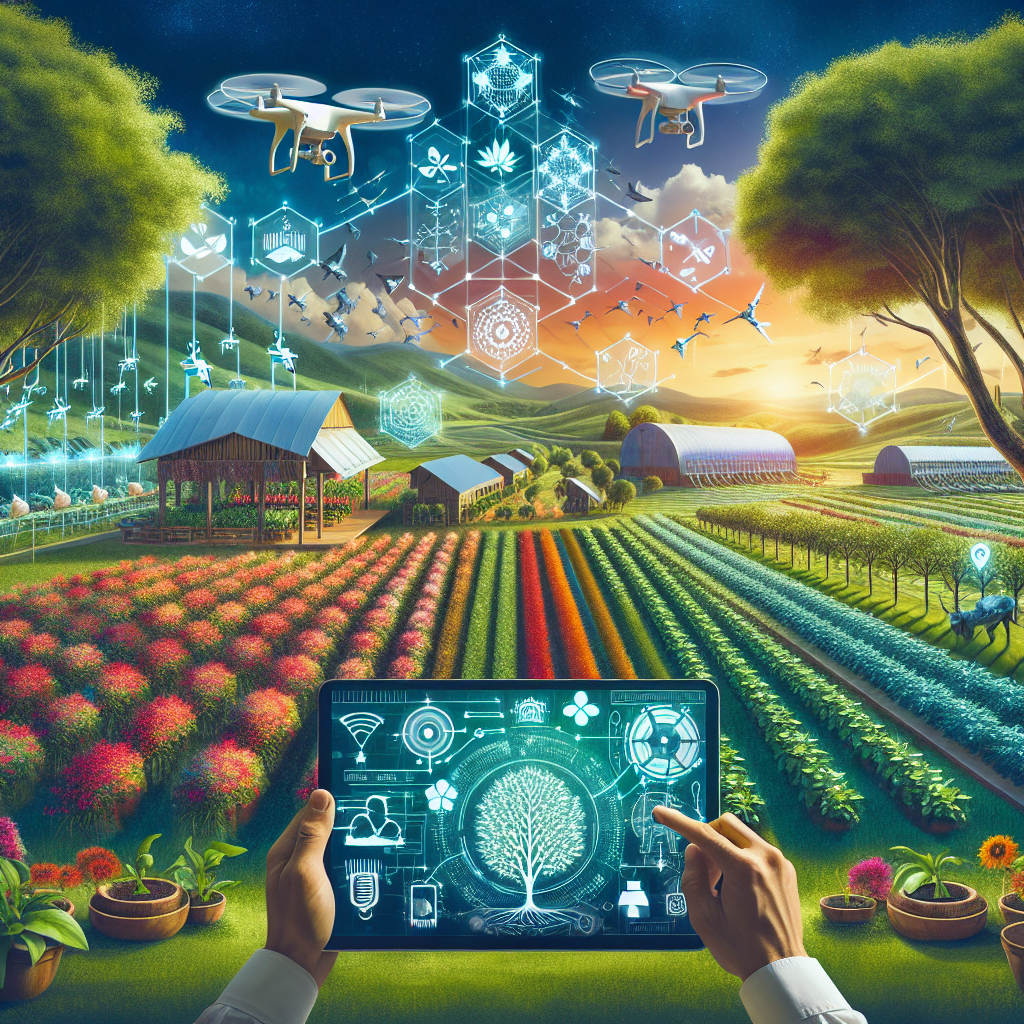
Imagine a world where farming isn’t just about manual labor and the changing seasons, but rather a high-tech operation that combines science and sustainability. Welcome to the realm of fagriculture science, a fusion of agriculture and technology that promises to revolutionize how we grow our food while safeguarding our planet's resources.
What is Fagriculture Science?
At its core, fagriculture science involves the application of scientific principles and technologies to improve agricultural productivity and sustainability. Picture your favorite farming techniques, now supercharged with advancements in data analytics, biology, and environmental science. This intermingling of disciplines opens new avenues for farming efficiency, pest control, and even the breeding of crops that can withstand climate change.
Smart Farming Techniques
One of the most exciting facets of fagriculture is the introduction of smart farming technologies—think of drone surveillance, IoT sensors, and automated irrigation systems. These tools collect extensive data about soil health, crop status, and weather patterns, enabling farmers to make informed decisions. For example, a farmer can use a drone to assess crop health from above, spotting issues like disease or water stress before they become serious problems. This proactive approach can lead to healthier yields and reduce wastage.
Sustainability at the Forefront
Fagriculture doesn't just aim for higher yields; it promotes eco-friendly practices. Techniques such as precision farming reduce chemical usage and conserve water by applying resources only where they are needed. According to the United Nations, global food production will need to increase by 70% by 2050 to feed our growing population. Fagriculture science is vital in achieving this target while minimizing our environmental footprint.
Rediscovering Traditional Wisdom with a Modern Twist
Interestingly, fagriculture science also respects traditional agricultural practices, marrying them with modern techniques. For example, permaculture principles can be integrated into tech-driven farming, enhancing soil quality and biodiversity. This holistic approach helps ensure that while we embrace innovation, we don’t lose touch with the wisdom passed down through generations.
The Challenges Ahead
While the promise of fagriculture science is undeniable, it also comes with challenges. The high cost of technology can be a barrier for small-scale farmers. Additionally, there is a learning curve associated with new technologies that not all farmers may be prepared for. Addressing these barriers through community support and educational initiatives is crucial to unlocking the full potential of this innovative field.
Conclusion: A Future Bountiful with Promise
Fagriculture science represents a significant step towards merging productivity with sustainability, making it an essential discipline for the future of food security. By harnessing technology and respecting traditional knowledge, we can cultivate a greener tomorrow. As consumers, understanding and supporting these practices not only benefits our health and the environment but also empowers farmers to innovate for future generations. The road ahead may have its challenges, but the rewards could lead us to a thriving, sustainable agricultural landscape.

