Fbiotechnology: The Shocking Intersection of Forensics and Biotechnology That Could Change Everything
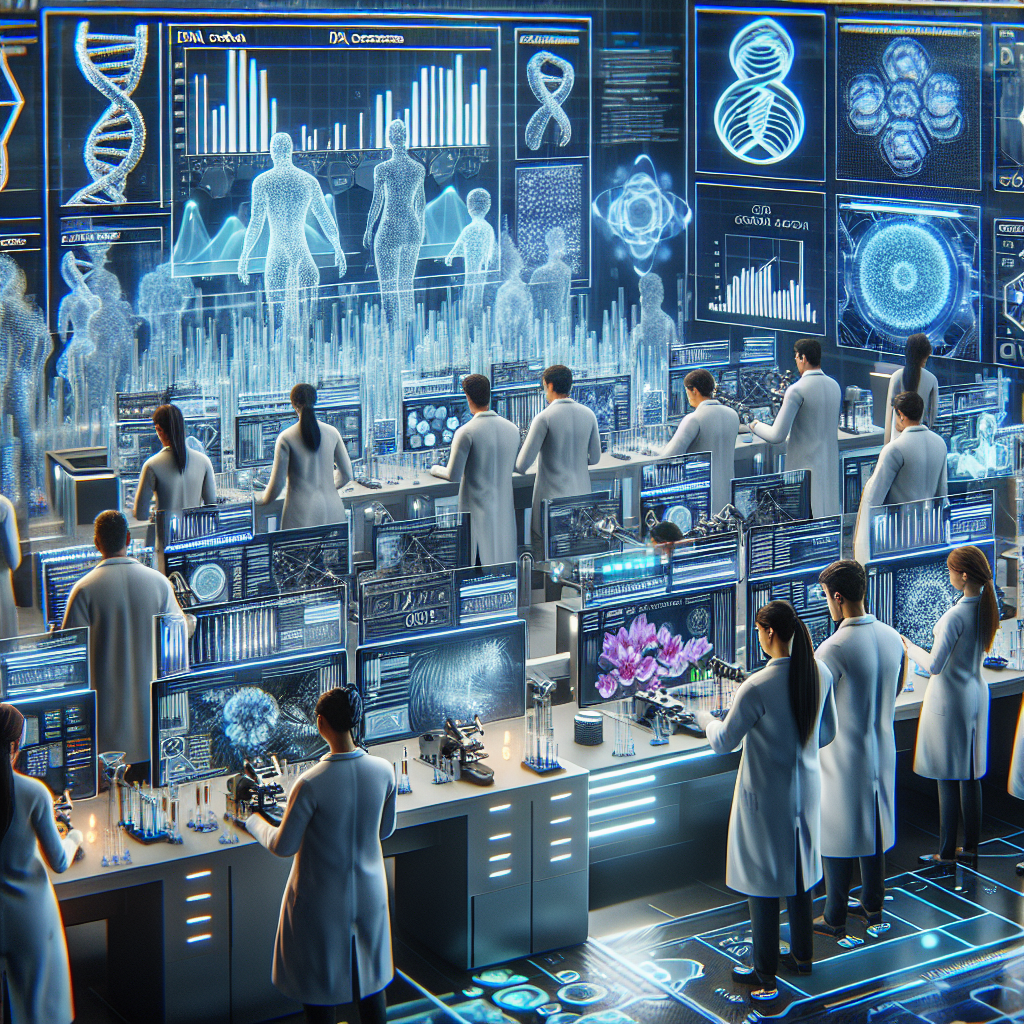
Imagine a world where solving crimes is just as easy as solving a puzzle. Enter fbiotechnology—a fascinating realm where forensic science meets biotechnology. This emerging field not only holds the potential to revolutionize criminal investigations but also raises essential ethical questions that society must grapple with. In this article, we will explore what fbiotechnology is, its applications, and why it’s a critical topic for all of us.
What is Fbiotechnology?
Fbiotechnology is a fusion of forensic science and biotechnology. It involves using biological techniques and tools to analyze evidence found in crime scenes. This can include DNA profiling, the use of genetically modified organisms to detect substances, and even the application of CRISPR technology for precise gene editing. Simply put, fbiotechnology harnesses the power of life sciences to help solve crimes and understand biological evidence in ways that were not possible before.
The Role of DNA in Modern Investigations
One of the most significant advancements in fbiotechnology is the refinement of DNA analysis. DNA profiling has revolutionized how law enforcement agencies collect and analyze evidence. Today, even the tiniest sample of skin or hair can be enough to identify a perpetrator or exonerate an innocent person. Statistics show that DNA evidence has contributed to solving over 350,000 cold cases in the U.S. alone, underscoring its importance. However, while DNA technology is a powerful tool, it’s not without its limitations—including ethical considerations surrounding privacy and consent.
Biotechnology's Broad Applications
Beyond DNA testing, fbiotechnology encompasses a range of innovative technologies. For instance, microbial analysis can identify substances at crime scenes, while bioinformatics enables the quick processing of vast amounts of biological data. Additionally, microbial forensics can track the source of bio-crimes by understanding the genetic makeup of pathogens. This versatility not only aids in criminal justice but also has applications in public health and safety, especially in dealing with biological threats.
The Ethical Landscape of Fbiotechnology
With great power comes great responsibility. As we delve deeper into the capabilities of fbiotechnology, ethical concerns arise. Issues of privacy, data ownership, and the potential misuse of information must be addressed. For example, the thought of law enforcement using genetic databases raises questions—should individuals have a say in how their genetic information is used? Moreover, the risk of false positives in DNA testing can have dire consequences for innocent lives. Engaging in a public dialogue is imperative to navigate these complexities.
Why Should You Care?
Understanding fbiotechnology means recognizing its profound impact on our lives. As technology advances, it becomes increasingly influential in criminal justice and public health. The question isn’t if these innovations will shape our future but rather how we will manage their influences responsibly. Whether it’s ensuring justice for victims, protecting the innocent, or safeguarding our personal data, fbiotechnology involves all of us. It's crucial for everyday citizens to stay informed and engaged with these developments.
Conclusion
Fbiotechnology represents a unique confluence of biology and forensic science that could redefine how we solve crimes and understand biological evidence. While its applications hold remarkable promise, ethical considerations are equally pressing. By staying informed and fostering a dialogue around these issues, we can ensure that the advancements in fbiotechnology benefit society as a whole—making our communities safer and fairer for everyone.

