
Frobotics: The Fascinating Intersection of Frogs and Robotics You Never Knew Existed
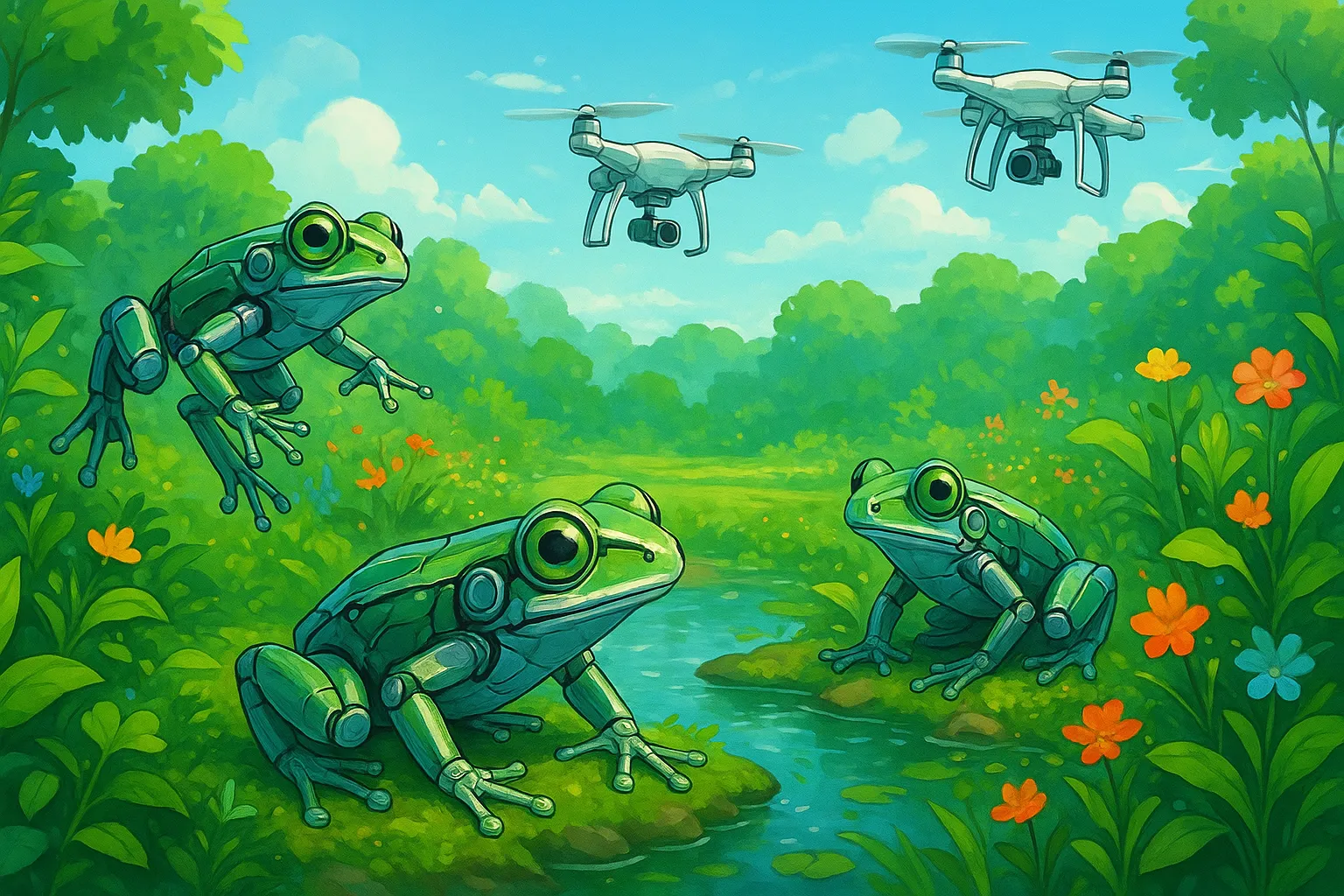
In a world increasingly driven by automation and technology, a unique niche is emerging at the crossroads of biology and engineering — frobotics. This field, which combines the study of frogs with robotic innovations, is offering us fascinating insights into both ecological health and advancements in robotic design. But what exactly is frobotics, and why should it matter to you?
The Science Behind Frobotics
At its core, frobotics involves using frogs and their natural movements as a model for creating robotic systems. Frogs are incredible jumpers, skilled at navigating through complex terrains, and learning how their bodies work can inspire designs for robots that do the same. Researchers are developing robots that mimic these amphibians, utilizing technology to replicate their biomechanics and adaptability.
Why Frogs? The Benefits of Nature-Inspired Robotics
Using nature as an inspiration for technology isn't a new idea, but it has proven particularly effective in the case of frogs. For instance, when frogs jump, their bodies perform a series of quick movements that allow them to propel themselves through difficult environments. By studying this efficiency, engineers can create robots that are more agile and capable of overcoming obstacles in varied terrains — an essential trait for search-and-rescue robots or exploration drones.
Real-World Applications: How Frobotics is Changing Lives
The applications of frobotics are as impressive as they are varied. For instance, robotic systems modeled after frogs are being used in medical research to study muscle movement and performance, recognizing how these insights can lead to better rehabilitation strategies for human patients. Additionally, these robots are assisting in environmental monitoring, contributing to the conservation of frog populations by helping scientists track their habitats and health through unmanned aerial vehicles (UAVs) equipped with specialized cameras and sensors.
Challenges and Future Prospects
As with any emerging technology, frobotics is not without its hurdles. One of the primary challenges involves the ethical considerations surrounding the treatment of live frogs in research and the ecological impacts of creating robotic replicas. However, with a strong emphasis on conservation and sustainability, researchers are increasingly finding ways to balance innovation with responsibility. The future of frobotics looks promising as engineers continue to improve the designs and functionalities of their creations, potentially leading to more breakthroughs in both robotics and environmental science.
Why Should You Care? The Bigger Picture of Frobotics
As intriguing as frobotics may sound, the implications extend far beyond just the realm of engineering. By studying the intersection of these seemingly unrelated fields, we create a greater awareness of biodiversity and the importance of preserving our natural world. Moreover, just as frogs adapt to their environments, so too can we learn how to harness technology to adapt and thrive in an ever-changing world. So the next time you hear about robots, remember: some of the smartest designs might just be inspired by your own backyard!


