How Smart Cities Are Revolutionizing Urban Living—And Why You Should Care
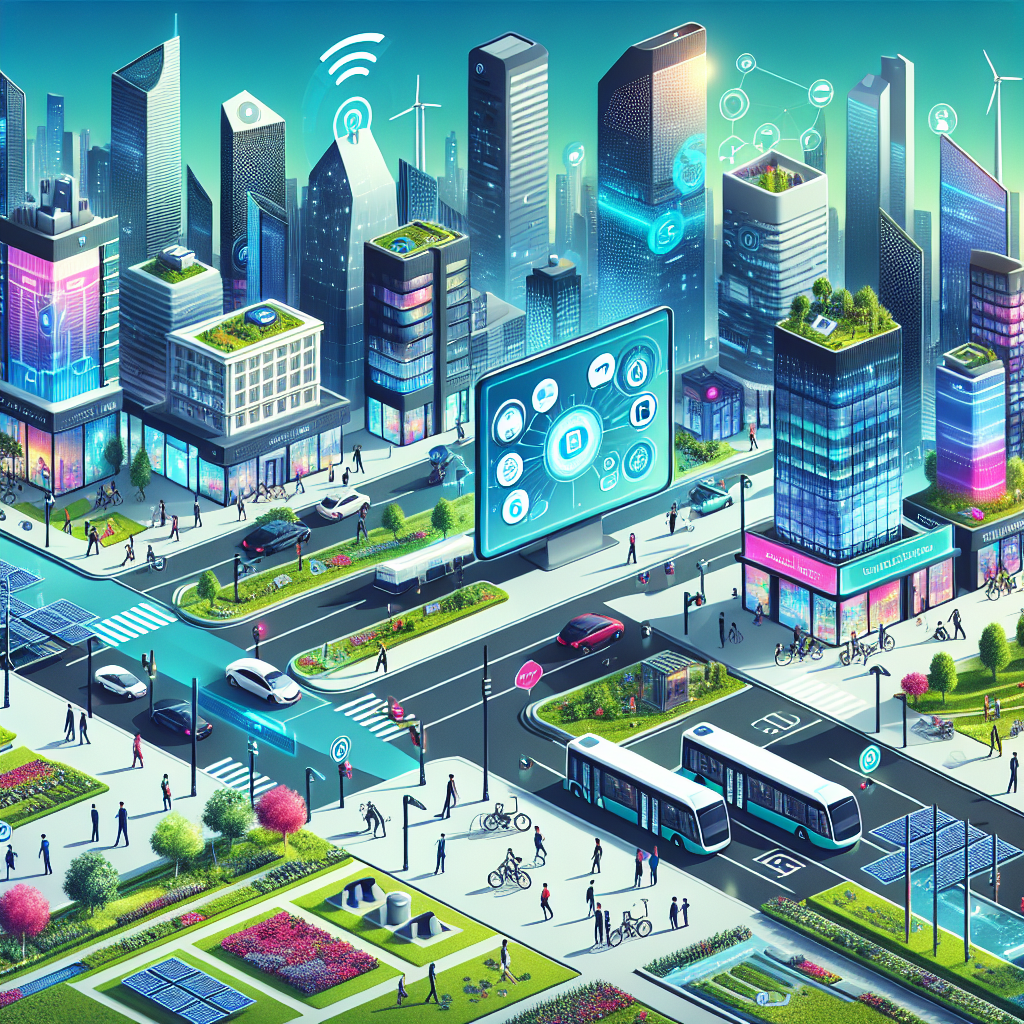
Imagine stepping out of your home and being greeted by a city that knows your preferences, from the fastest route to work to the ideal coffee shop nearby. It may sound futuristic, but this vision is steadily becoming a reality as cities worldwide adopt smart technologies. Smart cities integrate digital technology into their infrastructure and services, improving the quality of life for residents and making urban spaces more efficient.
What is a Smart City?
A smart city uses digital technologies to enhance performance in various sectors like transportation, energy, healthcare, and public safety. Through sensors, data analytics, and interconnected systems, smart cities aim to optimize resources and improve residents' lives. For example, smart traffic lights can adjust their timing based on real-time traffic data, reducing congestion and air pollution.
Key Features of Smart Cities
Smart cities can encompass various features, including:
- Efficient Public Transportation: Integration of real-time tracking systems allows users to plan their commutes better.
- Energy Management: Smart grids can monitor energy usage and distribute it more efficiently, which can lead to lower bills.
- Waste Management: Sensors in waste bins can alert services when they're full, optimizing collection routes and reducing costs.
- Public Safety: Surveillance systems enhanced with AI can help reduce crime rates and improve emergency response times.
Benefits of Smart Cities
The advantages of smart cities are far-reaching. They not only improve the quality of urban life but also promote sustainable practices. The implementation of smart technologies can lead to:
- Increased Efficiency: Streamlined services reduce waste and save time.
- Enhanced Accessibility: Improved public services reach a larger audience, including marginalized communities.
- Environmental Sustainability: Cities can lower their carbon footprint through optimized resource management.
Challenges Ahead
However, the journey to becoming a smart city isn't without its challenges. Issues such as data privacy concerns, integration of systems, and the digital divide—where some residents may lack access to technology—pose significant hurdles. Cities must navigate these issues responsibly to ensure that all residents benefit from smart innovations.
Why You Should Care
As urban populations grow, the notion of smart cities is more than just an innovative concept; it's a necessity for sustainable urban living. Engaging with developments in your city can help you understand how these changes might affect your life, from how you commute to how you interact with city services. Being informed will empower you to advocate for policies that ensure these technologies benefit everyone, not just a select few.
In conclusion, smart cities represent a transformative vision for the future of urban living. They have the potential to make our cities more responsive to the needs of their inhabitants, fostering environments where innovation and community can thrive. The shift toward smart living is not just on the horizon; it’s unfolding right now, and our participation can shape its direction.

