
How Social Media is Silently Shaping Your Reality: The Truth You Can’t Ignore!
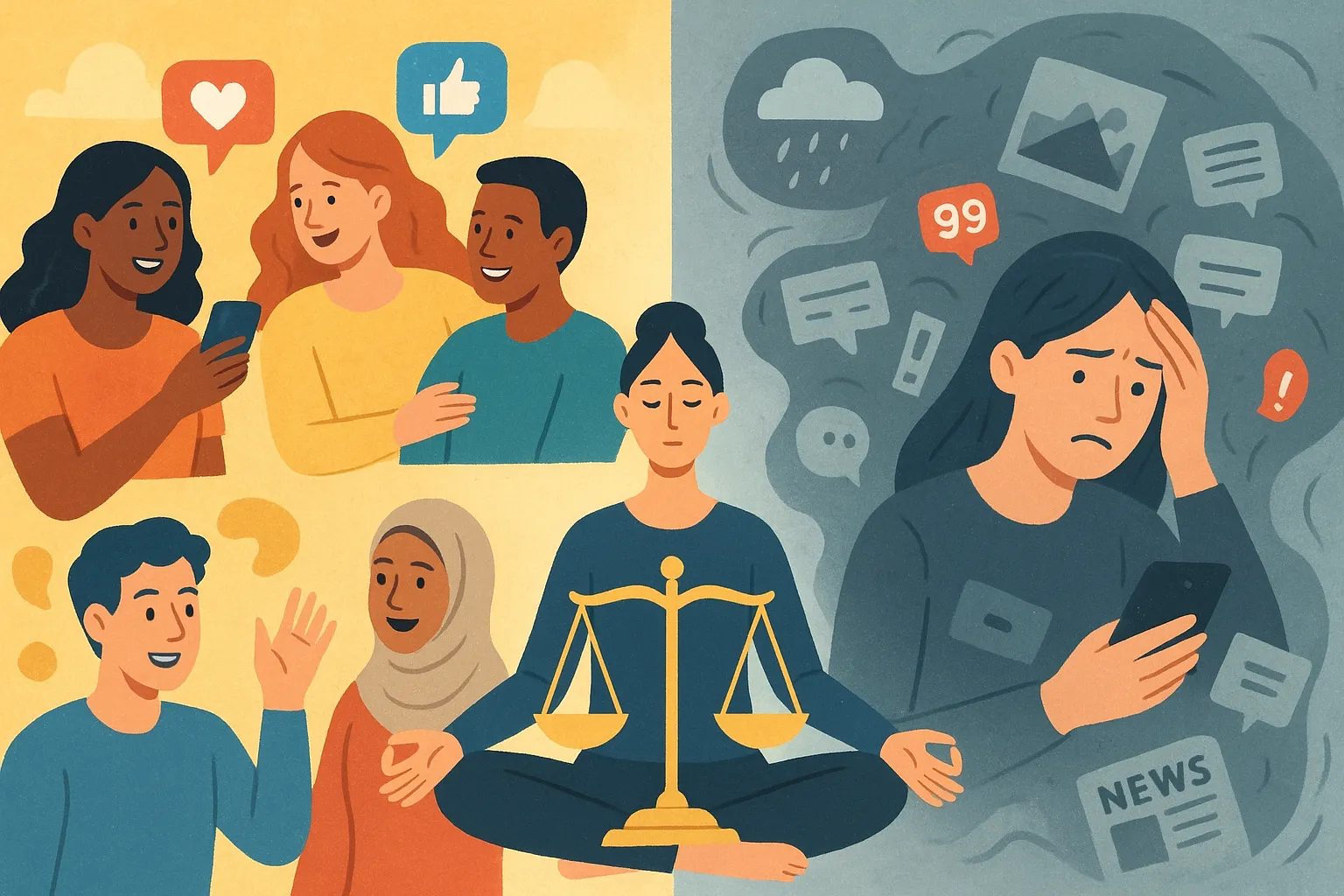
In the digital age, social media has woven itself into the very fabric of our daily lives. Whether it’s scrolling through Facebook during breakfast or tweeting our thoughts late at night, these platforms have become powerful tools that influence not only our personal interactions but also our perceptions of the world. But what is the actual impact of social media on our reality? Let’s dive in.
The Double-Edged Sword of Connection
On one hand, social media serves as a remarkable platform for connection. Families separated by distance can easily stay in touch, friends can share moments in real-time, and global movements can gain traction at the click of a button. However, this constant connectivity often comes with a price: mental health challenges. Studies have shown that prolonged exposure to social media can lead to anxiety, depression, and feelings of isolation, particularly among younger users.
The Comparison Trap
One of the most insidious elements of social media is the culture of comparison it fosters. It’s all too easy to get lost in a feed filled with curated images and highlight reels of others' lives. This can distort our self-perception and lead to feelings of inadequacy. Research indicates that the more time individuals spend on platforms like Instagram, the more likely they are to experience negative feelings about themselves. This phenomenon, often dubbed the “Instagram Effect,” serves as a reminder that perception does not always equate to reality.
Information Overload: The News We Didn’t Ask For
If the momentous impact of social media on our interactions is alarming, the effect it has on our information intake is equally concerning. Social media has turned us into a society that craves instant gratification, leading to what experts call “information overload.” We are bombarded with news, both real and fake, often leading to confusion and misinformation. According to a Pew Research Center study, roughly 64% of Americans say that fake news has created confusion about the basic facts of current events.
Building Communities or Dividing Societies?
Another intriguing aspect of social media is its role in community building. Niche groups and communities can flourish in the digital realm, allowing people to find support, share ideas, and advocate for causes they care about. Yet, this same mechanism can also breed division. Echo chambers—where users are only exposed to information that aligns with their existing beliefs—can intensify polarization and create societal fractures.
Finding Balance in a Digital World
The effects of social media are undebatable, but the impactful question remains: How do we navigate our digital lives mindfully? Awareness is key. Setting time limits, engaging critically with content, and prioritizing real-world interactions can help mitigate some of the adverse effects of social media. Remember, it’s the quality of our connections, both online and offline, that truly defines our reality.
In conclusion, social media is a potent tool that shapes how we connect, perceive, and engage with the world. By understanding its impacts, we can take proactive steps toward ensuring that our online experiences enrich rather than diminish our lives. The digital realm doesn’t have to be a battlefield of comparison and misinformation; it can be a thriving space for genuine connection and community.




