
Nourishing Change: The Hidden Impact of Nutrition on Your Mental Health
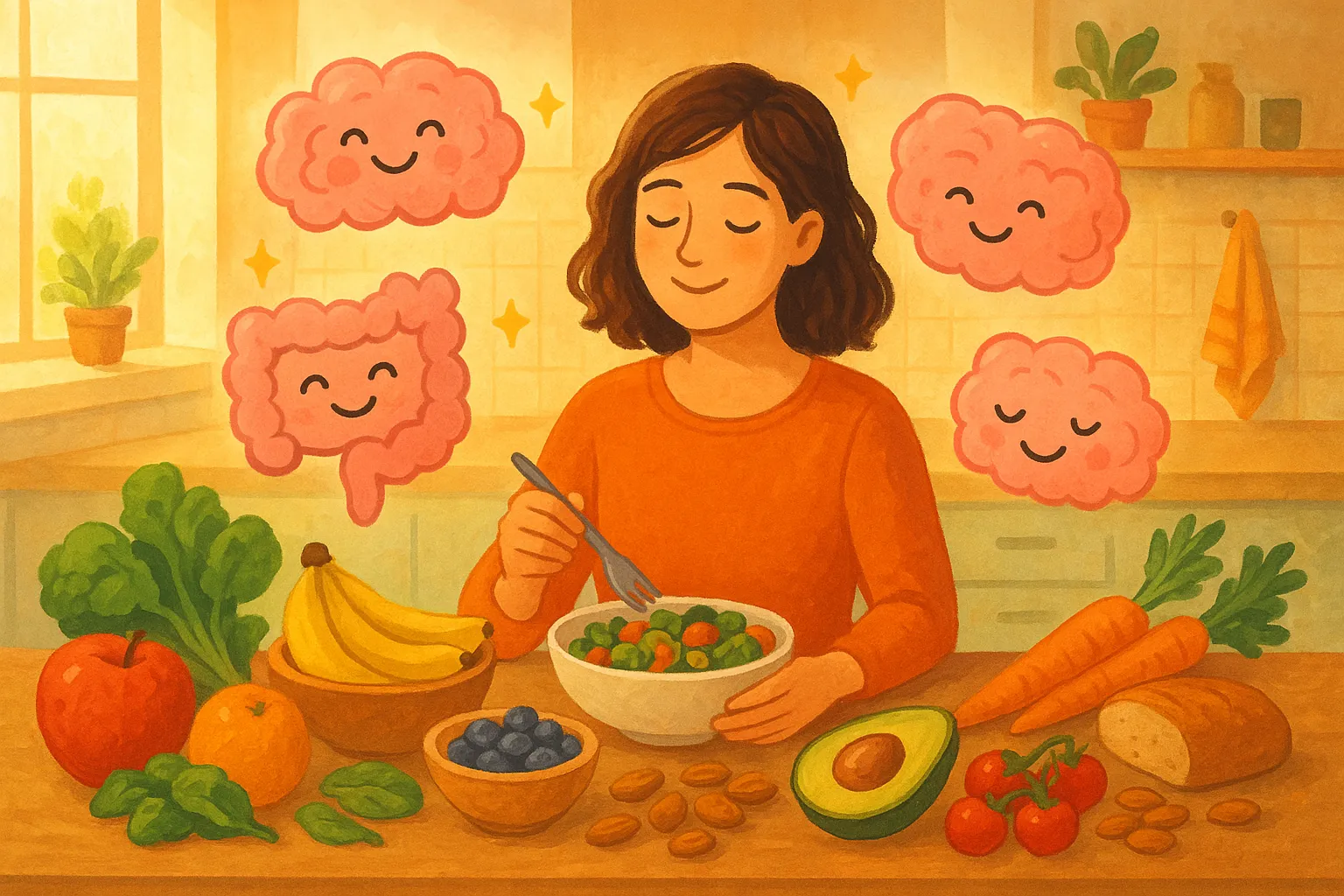
In a fast-paced world dominated by convenience foods and instant meals, it's easy to overlook the profound influence that nutrition has on our well-being, particularly our mental health. Recent research has illuminated the connection between the foods we eat and our mental state, revealing that our diet can significantly affect everything from mood to cognitive function. This article explores how making mindful choices in our diet can be a powerful tool for improving mental health.
The Gut-Brain Connection
It may sound strange, but your gut health plays an integral role in your mental well-being. The gut houses trillions of microorganisms, collectively known as the microbiome, which can influence the production of neurotransmitters, chemicals that relay signals in the brain. Studies suggest that a diverse and balanced microbiome can contribute to a healthier mind. Probiotic-rich foods such as yogurt, kefir, and fermented vegetables can help cultivate good bacteria, promoting not just digestive health but also improved mood and cognitive function.
This Isn’t Just About Mood Swings
Nutrition is not just about avoiding a bad mood; it can also have a dramatic impact on serious mental health conditions. Research has indicated that diets high in fruits, vegetables, whole grains, and healthy fats can reduce the risk of depression and anxiety. Conversely, diets high in processed foods, sugars, and unhealthy fats can lead to inflammation in the body, exacerbating mental health issues. Making small, intentional changes to incorporate more whole foods into your diet can have significant long-term benefits.
Key Nutrients for Mental Wellness
Certain nutrients are particularly beneficial for maintaining mental health. Omega-3 fatty acids, found in fatty fish, walnuts, and flaxseeds, play a critical role in brain function and mood regulation. Similarly, B vitamins, including folate and B12, help to brain health by preventing cognitive decline and supporting emotional balance. Adding foods rich in these key nutrients into your diet can act as a natural booster for mental wellness.
The Power of Mindful Eating
Beyond what we eat, how we consume our food can also influence our mental wellness. Practicing mindful eating—paying attention to the flavors, textures, and sensations of food—can foster a healthy relationship with food. This practice not only helps in making better food choices but can also reduce stress and promote a sense of calm. Taking the time to savor each bite can enhance the overall eating experience and contribute positively to mental health.
A Call to Action
As our understanding of the nutrition-mental health connection grows, it's clear that we have the power to improve our mental wellness through intentional dietary choices. By prioritizing whole foods, exploring nutrient-rich options, and practicing mindful eating, we can pave the way for a healthier mind and body. Consider starting small: swap out a processed snack for a piece of fruit or add a serving of vegetables to each meal. Each choice adds up and can lead to profound changes in how we feel.
Nutrition is a vital component of holistic mental health. Embracing dietary changes can not only enhance your mood and cognitive functions but can also provide a robust defense against mental health challenges. Be bold, experiment in your kitchen, and remember: the path to mental wellness may just begin at your dinner plate.


