Revolutionizing Reality: How Computer Graphics are Shaping Our Digital World
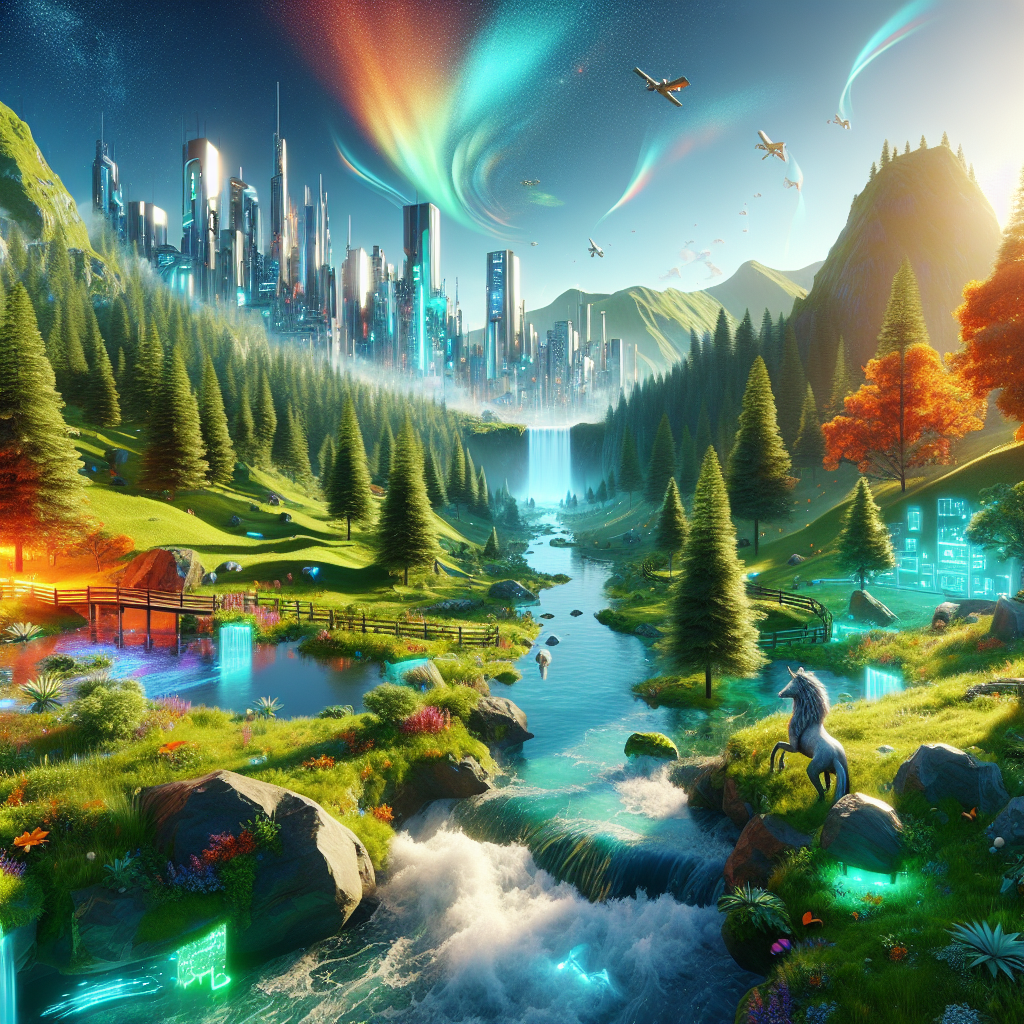
In a world where visuals can speak louder than words, computer graphics have emerged as the unsung heroes of our digital experience. From the breathtaking landscapes in video games to the intricate animations in films and the powerful simulations used in science, computer graphics are revolutionizing how we perceive and interact with technology. But what exactly does this entail, and why should we care?
The Basics of Computer Graphics
At its core, computer graphics is all about creating visual content through computing. This can range from simple images to complex animations that mimic real-life motion. Imagine the magic behind your favorite animated movie; each frame is meticulously crafted to create a seamless visual story. For the average person, the idea might be daunting, but the underlying principles revolve around shapes, colors, and movements that our brains can easily grasp.
Transforming Entertainment
One of the most obvious impacts of computer graphics is in entertainment, specifically in video games and films. The transition from 2D graphics to 3D environments has not only enhanced visual fidelity but also transformed storytelling. Characters can now express emotions more realistically, gripping our hearts in ways that were once unimaginable. In fact, advancements in graphics processing units (GPUs) have enabled developers to render lifelike textures and immersive environments that transport users into entirely different worlds.
Applications Beyond Entertainment
Beyond gaming and films, computer graphics play a pivotal role in various fields such as medicine, architecture, and education. For instance, surgeons employ 3D imaging to visualize complex organs before procedures, reducing risks and improving outcomes. Similarly, architects visualize structures through advanced renderings that provide a near-realistic view of their designs, allowing clients to explore spaces without stepping foot on a construction site.
Future Trends: The Age of Realism
The future of computer graphics looks brighter than ever, with technologies like virtual reality (VR) and augmented reality (AR) pushing the boundaries of what is possible. These immersive technologies create environments that can be both interactive and educational. Imagine walking through a historical site or exploring the human body in 3D—all from the comfort of your living room. As hardware becomes more powerful and accessible, the line between the digital and physical worlds continues to blur.
Conclusion: Embracing a Graphics-Driven Future
Understanding computer graphics is becoming increasingly essential as we dive deeper into a digital-first era. Whether you are a gamer, a filmmaker, or simply a curious observer, recognizing the power of visuals in storytelling and information sharing can enhance your interaction with the world. As technology progresses, one thing is clear: the way we visualize our environment is evolving, and so too will our expectations of reality.

