
Seismic Surprises: What Earthquakes Reveal About Our Planet and How They Impact Your Life
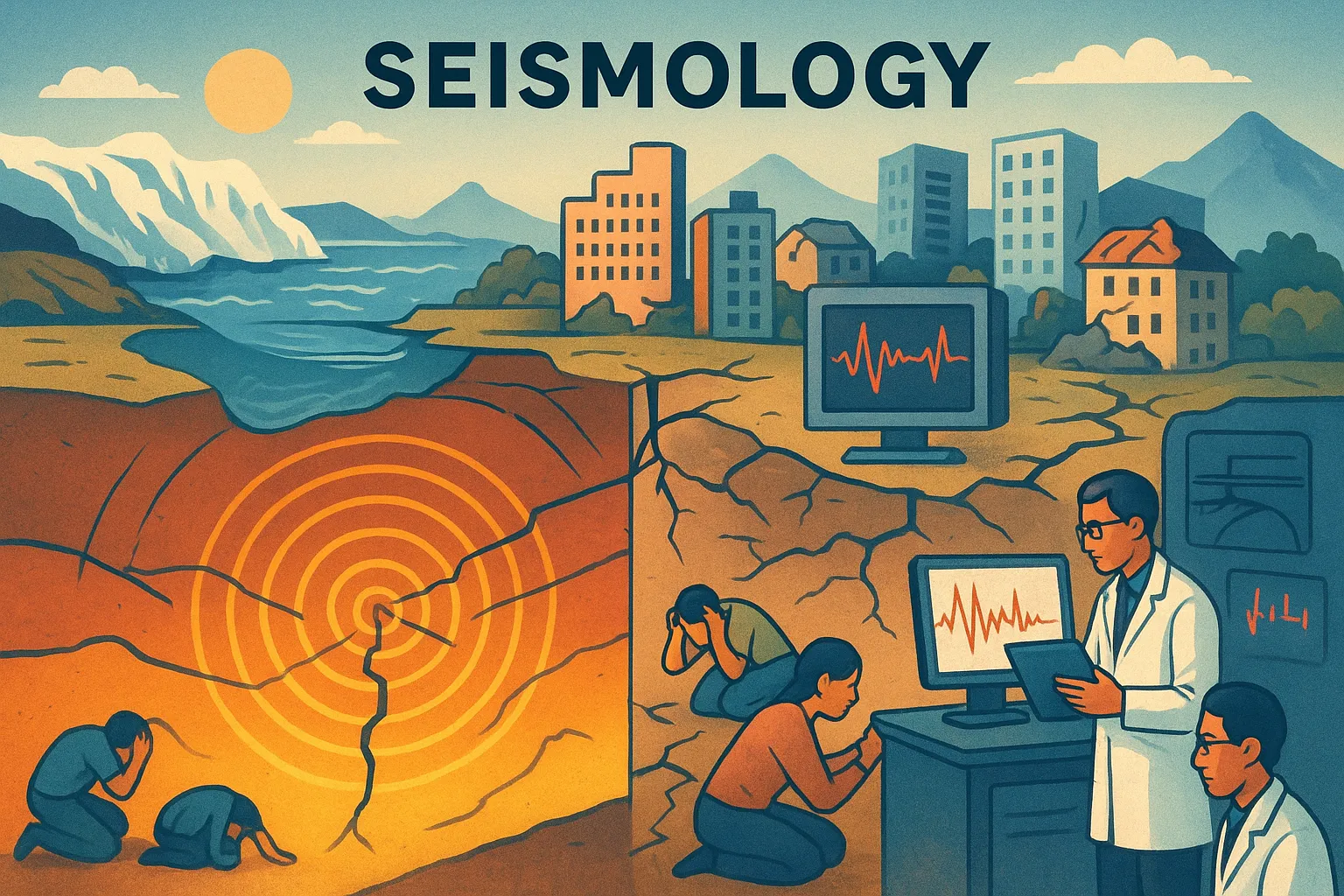
When you picture a violent earthquake, you might imagine buildings shaking and landscapes changing in an instant. Yet, the world of seismology offers a deeper understanding of these powerful events, unlocking layers of knowledge about our planet's core and even predicting the future. With about 20,000 earthquakes rattling our globe each year, do you know what they might be telling us?
The Basics of Seismology
Seismology is the scientific study of earthquakes and the propagation of seismic waves through the Earth. While it may seem dauntingly technical, the essence of seismology boils down to understanding how and why the ground shakes. Earthquakes occur due to the sudden release of energy in the Earth's crust, which generates seismic waves—think of them as ripples spreading out after a stone is tossed into a pond.
Why Earthquakes Matter
Earthquakes have a far-reaching impact, influencing not only the geological landscape but also human life. The recent rise in urbanization and the high density of populations in earthquake-prone areas means that the stakes are higher than ever. In fact, the United Nations reports that in the past decade, seismic events have resulted in numerous casualties and extensive economic losses. It’s vital to understand these forces at play—not just for scientists, but for anyone living in at-risk areas.
How Seismology Helps Us Prepare
In a world where natural disasters can strike seemingly out of nowhere, how does seismology equip us to handle them better? Thanks to advancements in technology, seismologists can now analyze seismic data to create early-warning systems. These systems can provide crucial seconds of alert before the shaking begins, allowing people to take cover, trains to stop, and surgeries to pause. Such innovations can save lives and minimize damage—transforming our response capabilities dramatically.
Seismology and Climate Change
Surprisingly, the insights of seismology also stretch into other fields, including climate science. Research indicates that climate change can influence seismic activity in several ways, such as alterations in water levels and glacial melting. As the Earth continues to warm, understanding these connections will be critical in addressing both the immediate and long-term consequences of our changing climate.
Conclusion: The Future of Seismology
As our understanding of seismology progresses, it holds the potential to unlock even more secrets of our planet. From improving disaster preparedness to uncovering shifts resulting from climate change, the value of this field becomes clearer each day. So the next time the ground rumbles beneath your feet, remember: there’s no panic; just science at work, revealing the intricate dance of our dynamic Earth.




