Smart Cities: The High-Tech Revolution That's Redefining Urban Life
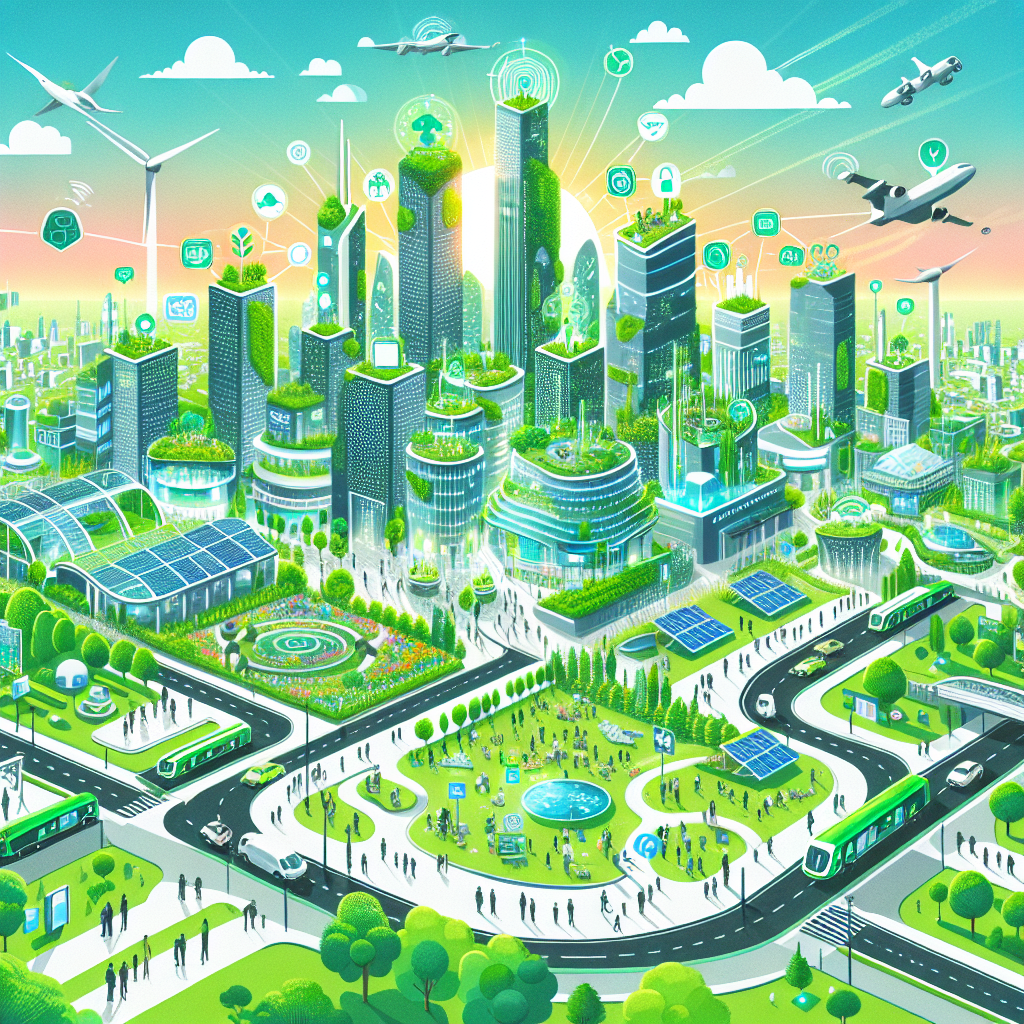
Imagine a city that is not just a collection of buildings and streets, but a living organism that uses technology to improve the quality of life for its residents. Welcome to the world of smart cities, where innovation meets urban planning to tackle age-old problems of congestion, pollution, and inefficiency.
What Exactly is a Smart City?
A smart city is an urban area that integrates technology and digital solutions to enhance performance across various sectors such as transportation, energy, and public services. Through the use of data analytics, the Internet of Things (IoT), and artificial intelligence, these cities aim to promote sustainability, improve public safety, and provide more efficient services.
The Pillars of Smart Cities
Smart cities rely on several key components to achieve their goals:
- Connectivity: High-speed internet and wireless networks connect devices and systems, allowing for real-time communication and data sharing.
- IOT Devices: Sensors and smart devices collect data on everything from traffic flow to air quality, helping cities monitor and respond to issues as they arise.
- Data Analytics: By analyzing collected data, city planners can make informed decisions that lead to better infrastructure and service delivery.
- Renewable Energy: Smart cities often integrate renewable energy sources to reduce their carbon footprint and enhance energy efficiency.
Benefits of Living in a Smart City
The advantages of smart cities extend beyond just technology. Here are some ways they can improve everyday life:
- Improved Transportation: Smart traffic lights, real-time public transport updates, and autonomous vehicles work together to alleviate traffic congestion and decrease commute times.
- Energy Efficiency: Smart grids optimize energy distribution, reducing waste and enabling residents to monitor their consumption.
- Enhanced Public Safety: Surveillance systems and emergency response systems can collect and analyze data to prevent crime and respond quickly to incidents.
- Better Public Services: From waste management to healthcare, improved data collection can lead to more efficient use of resources and an overall higher quality of life.
Challenges Faced by Smart Cities
Despite their numerous benefits, smart cities also face significant challenges:
- Privacy Concerns: With increased data collection comes the risk of misuse. Residents worry about surveillance and the security of their personal information.
- Equity Issues: There can be disparities in who benefits from smart city technologies, leading to a digital divide if not addressed properly.
- Infrastructure Costs: Implementing smart technology can be costly and may require substantial investments from both governments and private entities.
Looking Ahead: The Future of Smart Cities
As we march into an increasingly urbanized world, the concept of smart cities will play a crucial role in shaping our future. With projections suggesting that nearly 70% of the global population will live in urban areas by 2050, investing in smart city technology is no longer a luxury but a necessity. The real challenge will be ensuring that innovation benefits all residents equally, creating not just smart cities, but equitable ones.
In conclusion, smart cities represent a hopeful vision for the future of urban living. By embracing technology and smart solutions, we can create environments that are not only efficient and safe but also more enjoyable and sustainable for everyone.

