The Astonishing Placebo Effect: Can Your Mind Really Heal Your Body?
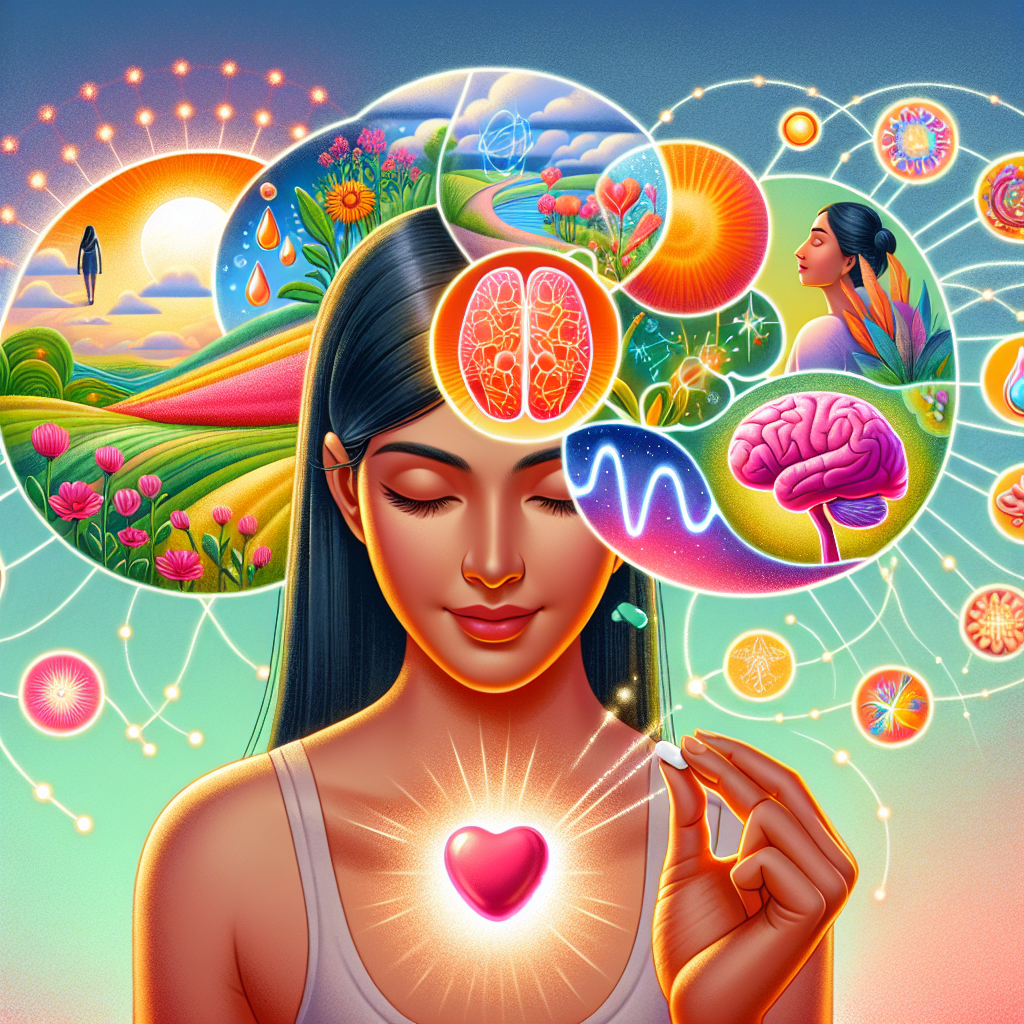
Imagine being told you are receiving a powerful medication, but in reality, you are only taking a sugar pill. Sounds absurd, right? Yet, for many, this scenario is a vivid testament to the remarkable power of the placebo effect—a fascinating phenomenon where a person's belief in a treatment’s efficacy can lead to real, beneficial health outcomes, even in the absence of active ingredients. But how does the placebo effect work, and why should you care? Let’s dive in.
The Science Behind Belief
The placebo effect demonstrates a profound interplay between the mind and body. When a patient believes they are receiving effective treatment, their brain can trigger a response that produces actual changes in their body. Neurotransmitters such as endorphins, which act as natural painkillers and mood enhancers, can be released, leading to observable improvements in conditions like pain, anxiety, and even some chronic diseases.
Your Mind: The Secret Weapon
According to research, around 30% of patients can experience significant improvement from a placebo. This statistic is more than just a number—it's a doorway into understanding the power of our own perceptions. Think about that the next time you take a medication. Is it possible that your belief in healing could be just as powerful as the medicine itself? This invites an intriguing perspective on health: could fostering a positive mindset alongside conventional treatment amplify healing?
Case Studies That Shocked Doctors
Throughout medical history, there have been numerous case studies illustrating the efficacy of the placebo effect. For instance, in a well-known study, patients with Parkinson's disease experienced noticeable improvement in motor function after being given a placebo labeled as a new medication, even though it contained no active substances. This response can be attributed to expectations and beliefs, underscoring how deeply our mental state can influence physical health.
A Double-Edged Sword?
While the placebo effect can indeed be beneficial, it also raises ethical questions. Is it right for doctors to prescribe placebo treatments? Some argue that deceiving patients undermines the trust between a doctor and patient. However, others believe that as long as patients are benefitting without harm, the results can justify the means. It’s a complex issue that continues to spark discussions in the medical community.
How the Placebo Can Empower You
So, how can we harness the power of the placebo effect in our daily lives? Cultivating a mindset focused on positivity and belief may enhance not only our physical health but also our overall well-being. Practices such as visualization techniques, affirmations, and mindfulness can help reinforce the sensation of empowerment and healing. After all, what we believe truly matters, and enriching our beliefs could open the door to better health outcomes.
In conclusion, the placebo effect serves as a powerful reminder that our minds are not just passengers in our journeys to health; they are drivers, shaping the outcomes we experience. So, the next time you face health challenges, consider not just the treatment plan in front of you, but also the power of your own belief and mindset. You might just discover that your greatest healer lies within.

