The Astonishing Power of Deep Learning: How Machines Are Learning to Think Like Us
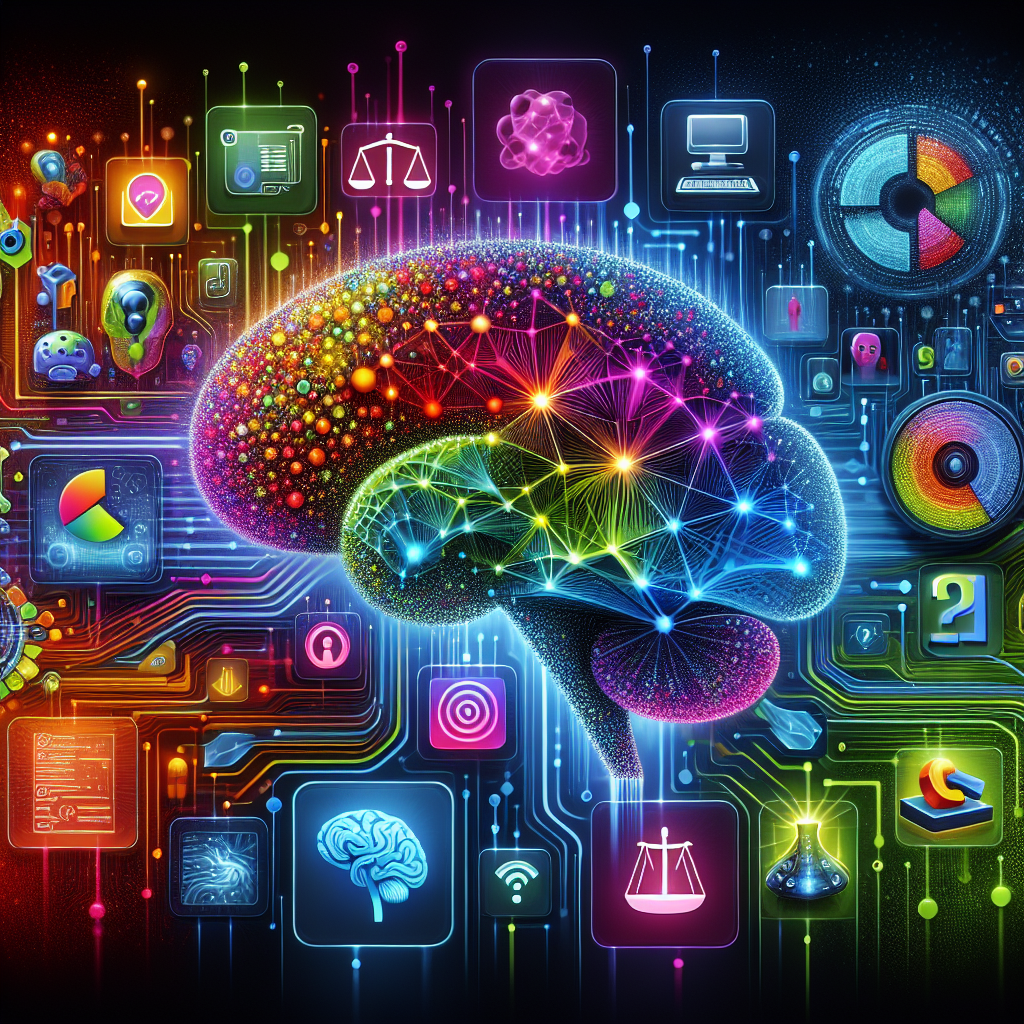
In today's fast-paced digital landscape, the idea of machines that learn and adapt like humans is no longer the stuff of science fiction. Deep learning, a subfield of artificial intelligence (AI), is revolutionizing the way we interact with technology. But what exactly is deep learning, and how does it impact our everyday lives? Let's dive into this fascinating topic and discover how it's changing the world as we know it.
What is Deep Learning?
At its core, deep learning is a technique that allows computers to learn from data in a way that mimics the human brain. Imagine teaching a child to recognize different animals. You show them pictures of dogs, cats, and birds while explaining their features. Similarly, deep learning algorithms use vast amounts of data to train themselves, identifying patterns and making predictions based on what they've learned.
The Science Behind It
Networks designed to process information in layers are called neural networks, analogous to the neurons in our brains. When you feed a neural network with data—like images or text—it processes that data through multiple layers, each one distilling information further until it produces the final output. This multilayered approach allows deep learning systems to understand complex data like never before.
Everyday Applications
Deep learning is not just a theoretical concept; it has practical applications all around us. For example, when you use voice assistants like Alexa or Siri, you're interacting with a deep learning model that has been trained to understand and respond to human language. Additionally, deep learning powers recommendation systems on platforms like Netflix and Amazon, suggesting movies and products tailored to your preferences.
The Impact on Industries
Industries across the board are feeling the effects of deep learning. In healthcare, it aids in diagnosing diseases from medical images with unprecedented accuracy. In finance, deep learning algorithms can analyze market trends and help in fraud detection. Even in agriculture, farmers use deep learning for precision farming, predicting crop yields and detecting pests.
The Ethical Dilemma
As with any powerful tool, deep learning comes with its own set of ethical concerns. Issues of bias in AI systems, privacy, and the potential for job displacement due to automation are hotly debated topics. It's vital for developers and policymakers to navigate these challenges responsibly to harness deep learning's benefits while minimizing its risks.
Conclusion: The Future is Now
Deep learning is no longer a distant promise; it is already a part of our lives, shaping how we interact with the digital world. As technology continues to advance, understanding deep learning will be essential for everyone, not just tech enthusiasts. Embracing this transformation may lead us to a future where machines enrich our lives in ways we never thought possible.

