
The Enigmatic World of Japanese Folklore: Tales That Reshape Reality
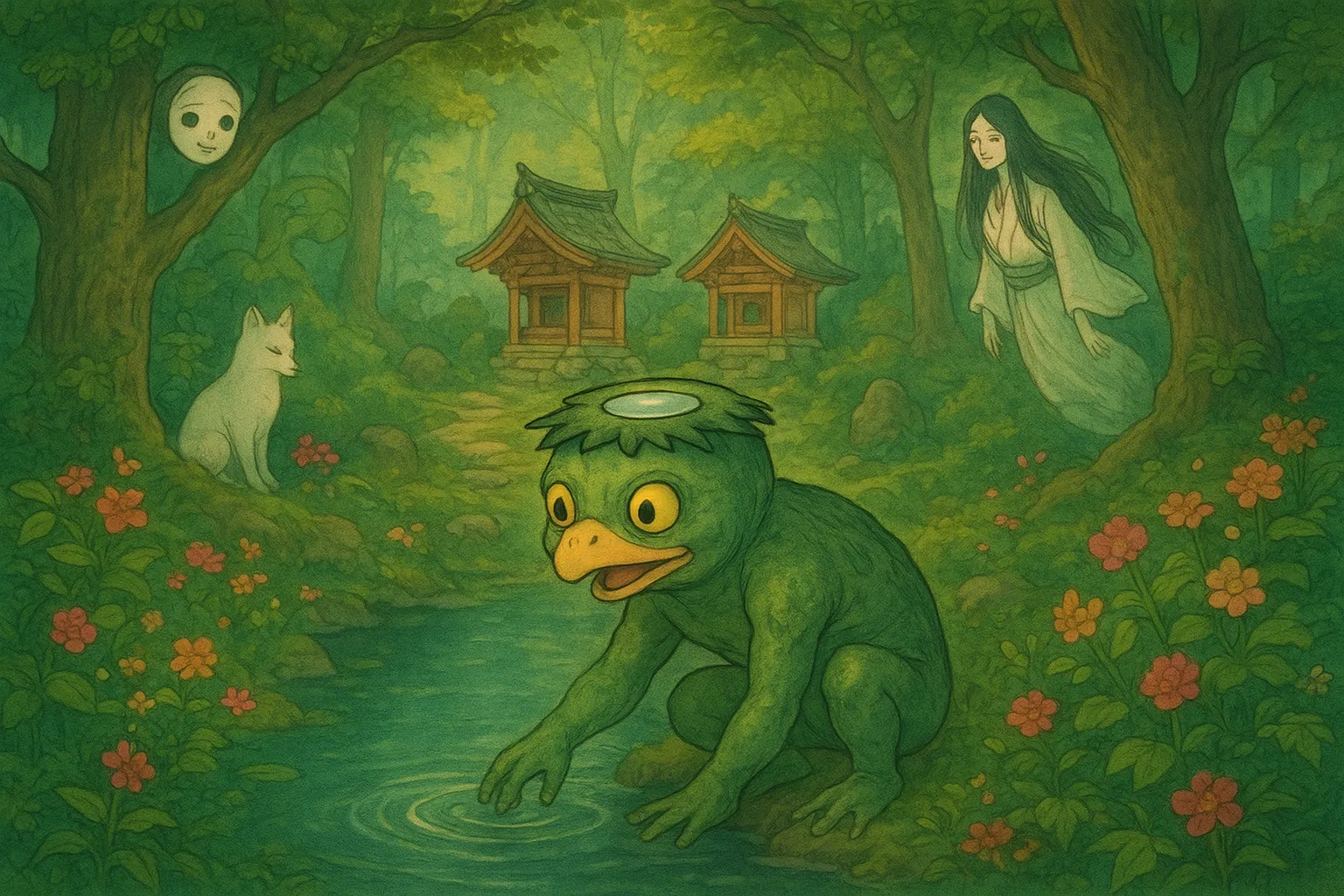
Step into the enigmatic realm of Japanese folklore, a captivating blend of myth, legend, and tradition that continues to resonate deeply in contemporary society. From the ominous appearance of yokai to the serene beauty of kami, these stories not only entertain but also offer profound insights into the Japanese perspective on life, death, and the supernatural. In this exploration, we delve into some of the most compelling elements of these timeless tales, revealing their significances and ongoing influence in our modern world.
The Rich Tapestry of Yokai
One of the most fascinating aspects of Japanese folklore is the existence of yokai, supernatural creatures that embody various spirits of nature or human emotions. Each yokai tells a unique story, with families of these beings ranging from the mischievous and playful to the malevolent. For instance, the kappa is often depicted as a water-dwelling creature that can be both a friend and foe, representing the duality of nature. This complexity of character suggests that every emotion and behavior is multi-faceted, challenging our simplified views on morality.
Kami: Spirits of the Natural World
Equally important in Japanese folklore are kami, the revered spirits associated with natural elements, ancestors, and sacred places. In Shinto belief, these deities are often worshipped in shrines, highlighting the deep-seated connection the Japanese people have with their land and heritage. This relationship emphasizes a communal respect for the environment, promoting a sense of responsibility to protect and honor it. It’s a powerful reminder of how intertwined spirituality and nature can be.
Folk Stories with Moral Lessons
Many tales in Japanese folklore serve as cautionary stories, aiming to teach valuable lessons about ethics, humility, and resilience. Take, for example, the story of Momotaro, a boy born from a peach who embarks on a quest to defeat ogres plaguing his village. His journey is not just about physical conquest but also about cooperation and kindness among different characters he meets along the way. Such narratives instill core values in children and serve as cultural touchstones that resonate across generations.
The Revival of Folklore in Modern Media
Interestingly, Japanese folklore continues to thrive in contemporary media, influencing anime, video games, and literature. The resurgence of these themes speaks to a collective yearning to reconnect with cultural roots amid the rapid changes of modern life. Stories that once lived in the shadows of history now take center stage, engaging new audiences and illuminating the relevance of these age-old tales. This revival demonstrates a remarkable ability for tradition to adapt and evolve, proving that folklore can remain a vibrant part of cultural identity.
Conclusion: A Bridge to Understanding
As the fabric of global culture continues to intertwine, Japanese folklore stands as a bridge, connecting past and present. The stories of yokai and kami not only provide entertainment but also invite us to reflect on our own relationship with nature, spirituality, and morality. In an age where traditional wisdom often gets overshadowed by modernity, revisiting these timeless tales can offer us invaluable lessons on how to navigate our own lives with respect, empathy, and a deeper understanding of the world around us.


