The Mind-Body Connection: Can We Truly Understand Our Thoughts?
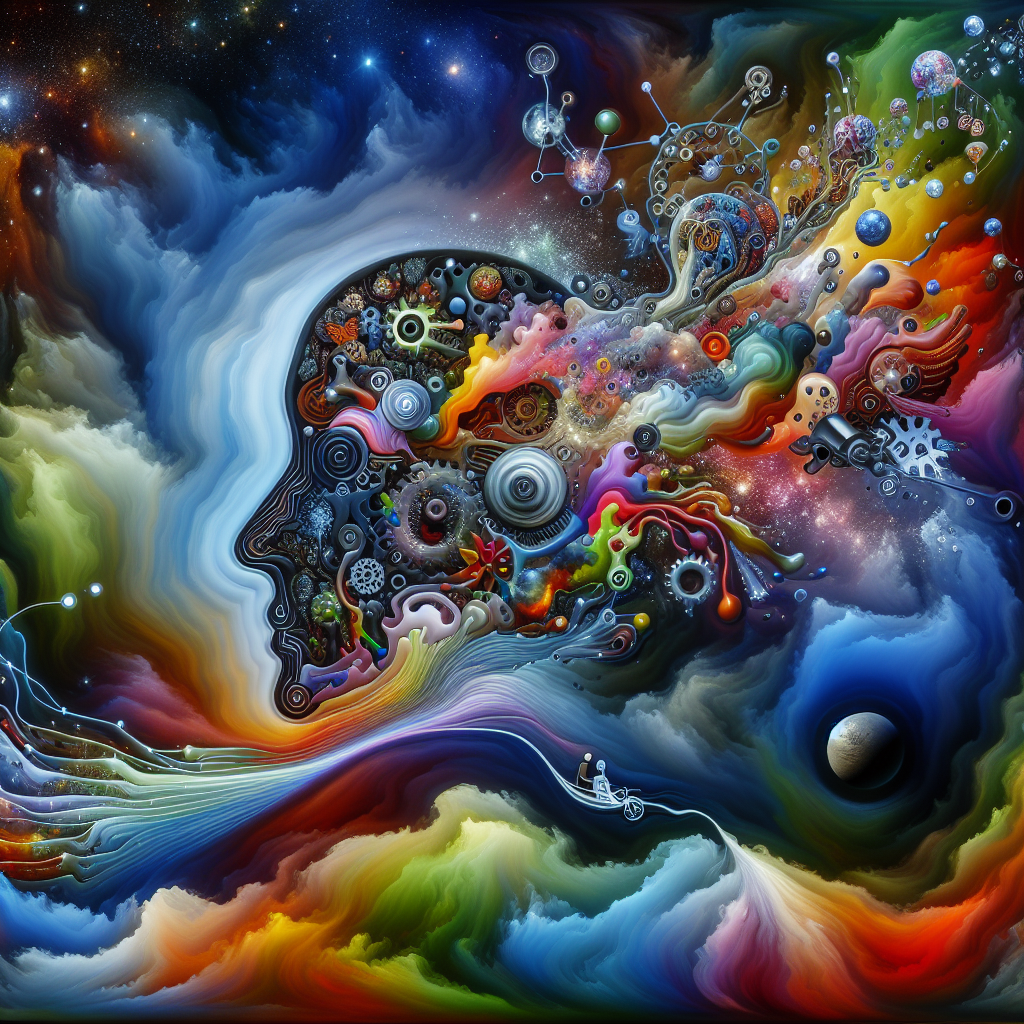
Ever wondered what it means to think? Our minds are like intricate puzzles, full of beauty and complexity, yet the philosophy of mind dares us to ask which pieces fit together. From pondering consciousness itself to exploring the essence of personal identity, this field captivates both thinkers and the budding philosophers among us. Let’s embark on a journey to unravel the mysteries of how we think, feel, and perceive the world around us.
The Basics: What is the Philosophy of Mind?
The philosophy of mind is a branch of philosophy that examines the nature of the mind, consciousness, and their relationship to the body. At its core, it probes fundamental questions: What is consciousness? What does it mean to have thoughts or feelings? Are we simply the product of our biological brains, or is there something more to us - perhaps a soul or a spirit? These inquiries have fascinated humanity for centuries.
Mind vs. Body: The Age-Old Debate
One of the key questions in the philosophy of mind is how our mental states relate to our physical states. This issue is often depicted in the mind-body problem. Dualists, like the famous philosopher René Descartes, argue that mind and body are distinct entities; the mind exists independently of the physical body. Conversely, materialists believe everything about the mind can be explained through physical processes in the brain. Imagine trying to describe the color blue to someone who is blind—can the essence of thought be captured within the confines of brain chemistry alone?
Consciousness: The Final Frontier
When we think of consciousness, we typically refer to the awareness of our thoughts, feelings, and perceptions. But what exactly is it? Some argue that consciousness is simply a byproduct of brain activity, while others claim it is a unique aspect of being human. Think about it: when you daydream, are you conjuring up images from memory, or is there something more mysterious happening? This mysterious quality of consciousness is one of the most tantalizing topics in both philosophy and neuroscience today.
The Role of Identity: Who Are We?
Another important aspect of the philosophy of mind is personal identity—what makes you, "you"? Are you the sum of your memories, or is there an unchanging core of self that persists over time? This question leads us to consider issues of existence and continuity. For instance, if you change fundamentally over your lifetime, are you still the same person you were as a child? The exploration of identity challenges us to reflect on our values, desires, and even our memories, adding rich layers to our understanding of the self.
Implications in Modern Life: Why It Matters
So why does understanding the philosophy of mind matter for our daily lives? This exploration can lead us to better self-awareness and a higher understanding of human relationships. By grasping the complexities of our own minds, we can cultivate empathy toward others and appreciate the variety of experiences that people have. Furthermore, as technology advances—particularly in artificial intelligence—the concerns regarding consciousness and identity become increasingly relevant. As we interface more with machines that mimic human thought, reflecting on what it truly means to be "mindful" is crucial.
Conclusion: The Ongoing Journey
The philosophy of mind presents us with more questions than answers, yet this is what makes it so enthralling. The next time you find yourself pondering your thoughts or questioning your identity, know that you are part of an age-old journey into the depths of what it means to be human. Remember, the exploration of the mind is not merely an intellectual exercise; it’s a pathway to understanding ourselves and appreciating our shared human experience.

