The Unconventional Genius: How the Psychology of Creativity Can Change Your Life
Imagine a world where every idea you had transformed into something impactful—a painting, a song, or a groundbreaking project. The concept of creativity often fills our minds with images of artists and inventors, but the psychology driving that creativity is a powerful tool accessible to everyone. Understanding the underlying mental mechanics can not only unlock new pathways for personal expression but could also enhance problem-solving skills in everyday life.
The Foundation of Creativity
At its core, creativity is about connecting dots that most people don’t see. It’s about divergent thinking—taking a single idea and branching it out into various possibilities. Psychological research suggests that a combination of cognitive flexibility, openness to experience, and a willingness to embrace failure fuels creative thinking. This doesn’t necessarily mean you need to be an artist; every time you think outside the box, you are applying creative principles.
The Role of Environment in Fostering Creativity
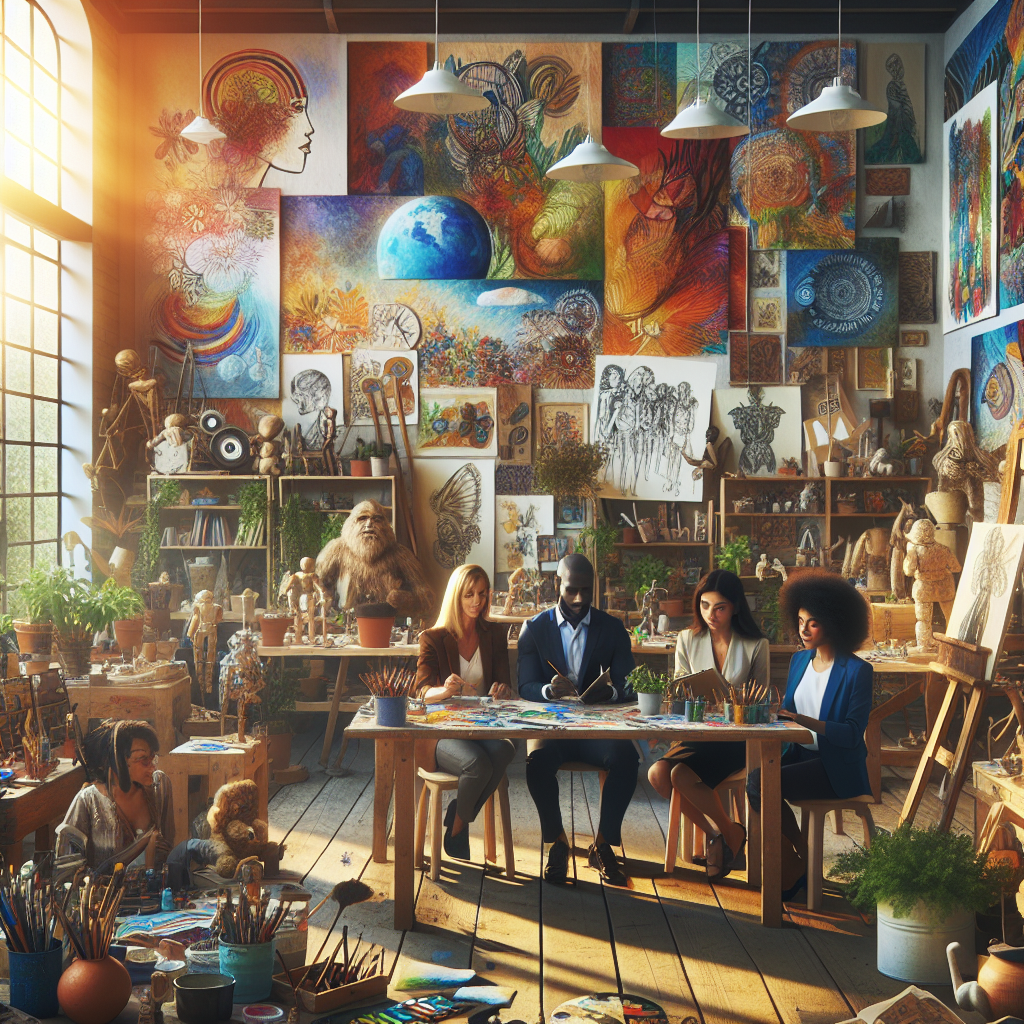
Did you know that your surroundings play a pivotal role in how creatively you can think? Various studies indicate that a stimulating environment can enhance creativity. Natural light, colorful spaces, and even playful elements in your workspace can inspire innovative thinking. Whether you're solving a complex work problem or just trying to think of a fresh dinner idea, a creative environment often yields better results. So, don’t underestimate the power of a well-curated space!
Overcoming Mental Blocks
Every creative person faces obstacles—self-doubt, fear of judgment, or the infamous "creative block." Understanding the psychology behind these barriers can help combat them. One practical approach is to reframe your perspective on failure. Instead of viewing it as a setback, consider it a stepping stone toward improvement. This shift can lead to a liberating mindset that favors experimentation over perfection, ultimately enhancing your creative output.
The Importance of Collaborative Creativity
Collaboration is another key ingredient in the recipe for creativity. Interacting with others introduces new ideas and perspectives that can transform your thinking. It’s akin to a creative potluck: everyone brings their specialty dish, and the combination can yield a feast of innovation. Think of brainstorming sessions, group projects, or even casual conversations. Each interaction has the potential to spark an idea that could change everything.
Practical Tips to Ignite Your Creative Potential
How can you harness the psychology of creativity in your daily life? Here are a few actionable strategies:
- Keep a Creativity Journal: Jot down ideas, dreams, or random thoughts. This practice can help track patterns in your creative thinking.
- Practice Mindfulness: Engage in meditation or deep-breathing exercises to clear your mind and reduce anxiety, which can help improve focus and inspiration.
- Engage with Diverse Media: Read books outside your usual genres, listen to different music styles, or explore various art forms to expand your mindset.
In short, creativity is not reserved for the so-called "creative types." It is a skill anyone can cultivate. By understanding the psychology behind it, creating the right environment, embracing collaboration, and overcoming mental barriers, we can unlock a world of possibilities. So go ahead, get creative and see where it takes you!

