The Unexpected Path of Growth: How Developmental Psychology Holds the Key to Understanding Our Lives
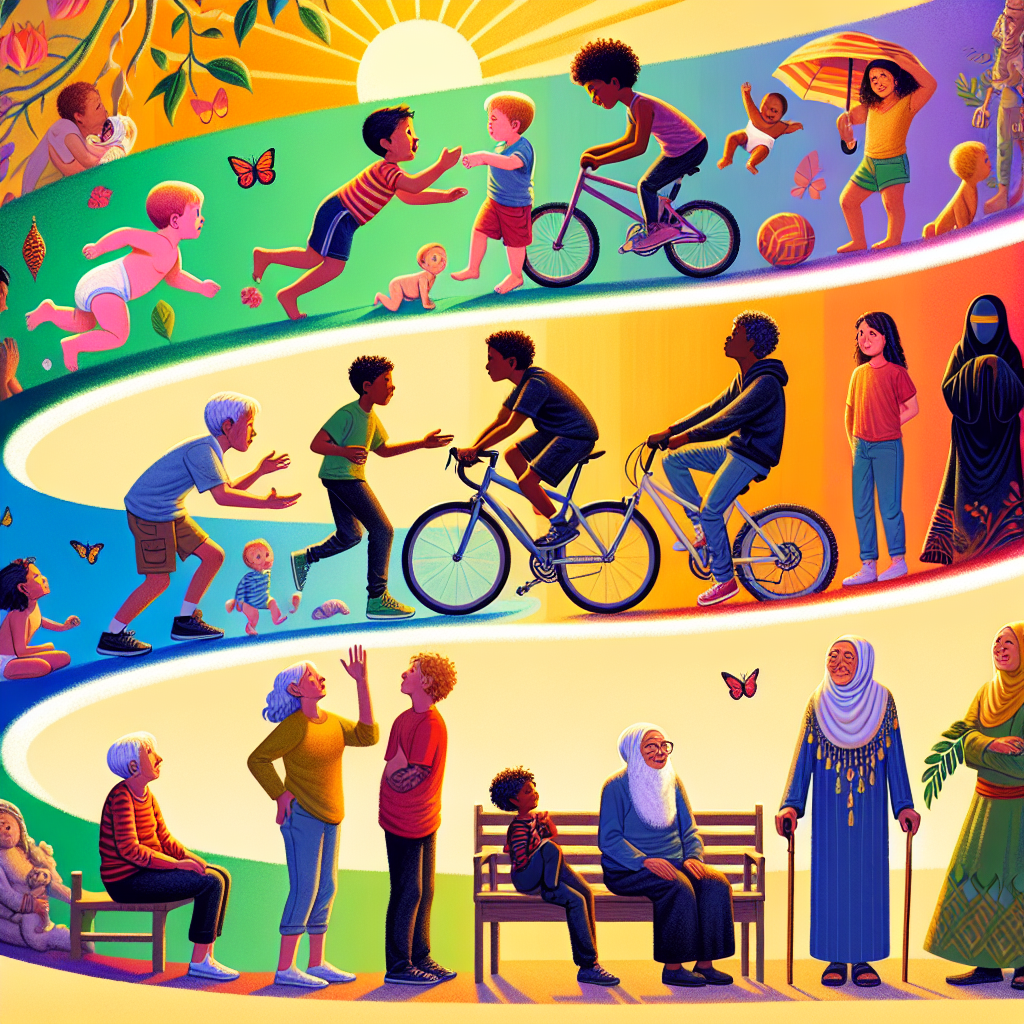
Have you ever looked back at your childhood and wondered how those early experiences shaped who you are today? Developmental psychology dives deep into the fascinating journey of human growth, offering insights not just into childhood, but throughout our entire lives. This branch of psychology unravels the mystery of how we evolve emotionally, socially, and cognitively from infancy to old age. You might just find that understanding this field adds a new dimension to your perspective on life!
What is Developmental Psychology?
At its core, developmental psychology studies how and why people change over time. This field examines everything from how infants develop motor skills to how adolescents navigate identity crises, and even how older adults handle the challenges of aging. Researchers in this area work tirelessly to uncover patterns and milestones, but they are also interested in how individual experiences can alter these expected paths of development.
The Stages of Human Development
One of the most significant features of developmental psychology is its focus on stages of development. Renowned psychologist Erik Erikson proposed eight stages, each with unique challenges to navigate. These stages, from trust versus mistrust in infancy to integrity versus despair in old age, highlight the lifelong journey of human development. Understanding these stages can empower individuals to reflect on their personal growth and the experiences that have shaped them.
The Impact of Early Experiences
Research consistently shows that early experiences lay the foundation for future development. For instance, secure attachment between caregivers and infants leads to better emotional regulation, social skills, and cognitive abilities. Conversely, adverse childhood experiences can have long-lasting effects that echo throughout a person’s life. This underscores the importance of nurturing environments—where love, safety, and support thrive—for healthy development.
The Role of Environmental Influences
Developmental psychology does not solely focus on internal processes; it also considers the environment's impact. Factors like culture, socioeconomic status, and education play critical roles in shaping who we are. By recognizing these influences, we can better understand human behavior within a broader societal context. This perspective emphasizes the importance of creating enriching environments for future generations, particularly in underprivileged communities.
Application of Developmental Psychology in Daily Life
So, how can knowledge of developmental psychology enhance your everyday life? For starters, it can improve your relationships. Understanding the developmental stages of those around you—be it a toddler throwing a tantrum or an aging parent feeling isolated—can foster empathy and effective communication. Additionally, applying developmental principles can also aid parents in employing strategies that nurture each stage of their child's growth.
Conclusion: The Journey Continues
Developmental psychology invites us to appreciate the complexities of human growth. As we uncover the intricacies of our developmental pathways, we not only learn more about ourselves but also gain the tools to support others in their journey. Whether it’s by fostering secure attachments, promoting positive environments, or reflecting on our own experiences, the insights derived from this field can empower us all to live more meaningful lives. As we move forward, let’s continue to explore this rich tapestry of development that each of us contributes to every day.

