Unlocking the Lens: How Film Studies Reveals Our Collective Psyche
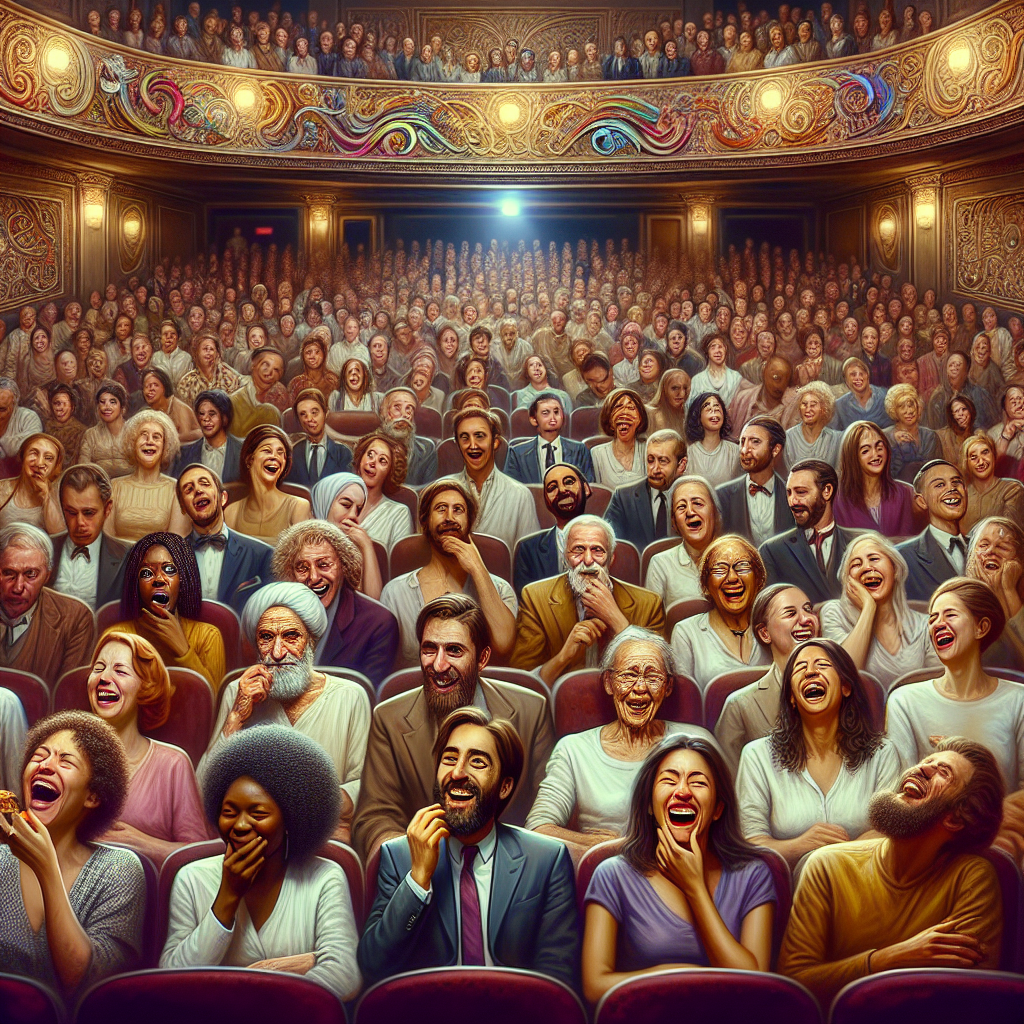
Film is more than just entertainment; it serves as a powerful mirror reflecting society's values, fears, and dreams. As viewers, we often get lost in the plot twists and character arcs, but film studies offer us the tools to peel back the layers of meaning embedded in every frame. This article explores how film studies provide unparalleled insight into the human experience and why it matters more than ever in our rapidly changing world.
The Essence of Film Studies
At its core, film studies is an academic discipline that examines films through various lenses, including history, theory, and cultural context. It combines elements of art, psychology, sociology, and even philosophy to unearth the deeper significance of cinematic stories. Through analysis, we learn how films reflect cultural norms or challenge societal assumptions, and how visual storytelling can provoke emotional engagement among audiences.
Understanding Context: Why It Matters
Context is crucial in understanding film. A movie made in the 1940s will resonate differently than one released today, reflective of various socio-political climates. For example, classic films like "Casablanca" address themes of love and sacrifice in wartime, while contemporary films like "Get Out" serve as social commentaries on race relations in modern America. By studying these films, audiences can appreciate how their creators respond to and critique the world around them.
Technique Meets Depth: Unpacking Film Language
Film studies delve deep into the techniques filmmakers use to shape their narratives. Elements such as cinematography, editing, sound design, and mise-en-scène are not just technical details; they are tools to elicit emotions and guide viewers' interpretations. For instance, the use of close-ups can create intimacy, while rapid cuts may instill tension. Understanding these mechanisms enhances the viewing experience, transforming passive observation into active engagement.
The Role of Film in Society
Films can influence public perception, reinforce stereotypes, or ignite social change. By examining films through a critical lens, scholars and audiences can discern how media shapes cultural narratives. Documentaries like "13th," which explores racial inequality in America, challenge viewers to confront uncomfortable truths. In this way, film studies serve not just as an academic discipline but as a crucial tool for social awareness and dialogue.
Why You Should Explore Film Studies
Whether you're a casual movie-goer or a dedicated cinephile, engaging with film studies enriches your cinematic experience. It encourages critical thinking and fosters a deeper connection to the stories that resonate with us. Additionally, in an era where media consumption is pervasive, understanding the mechanics behind film can elevate your media literacy. So why not take the plunge? Explore this fascinating field, and you may find that every film offers more than just entertainment—it presents an opportunity to explore the very fabric of our society.

