Unlocking the Mind: How Understanding Learning Psychology Can Revolutionize Your Study Habits!
Have you ever wondered why some people can grasp complex concepts in a flash, while others struggle for hours? The secret often lies in the psychology of learning. By tapping into the principles of how we learn, anyone can enhance their study habits and achieve academic success. This article delves into key psychological theories and practical strategies that can transform your approach to learning, making it not just easier but also more enjoyable.
The Science Behind Learning: How Our Brains Absorb Information
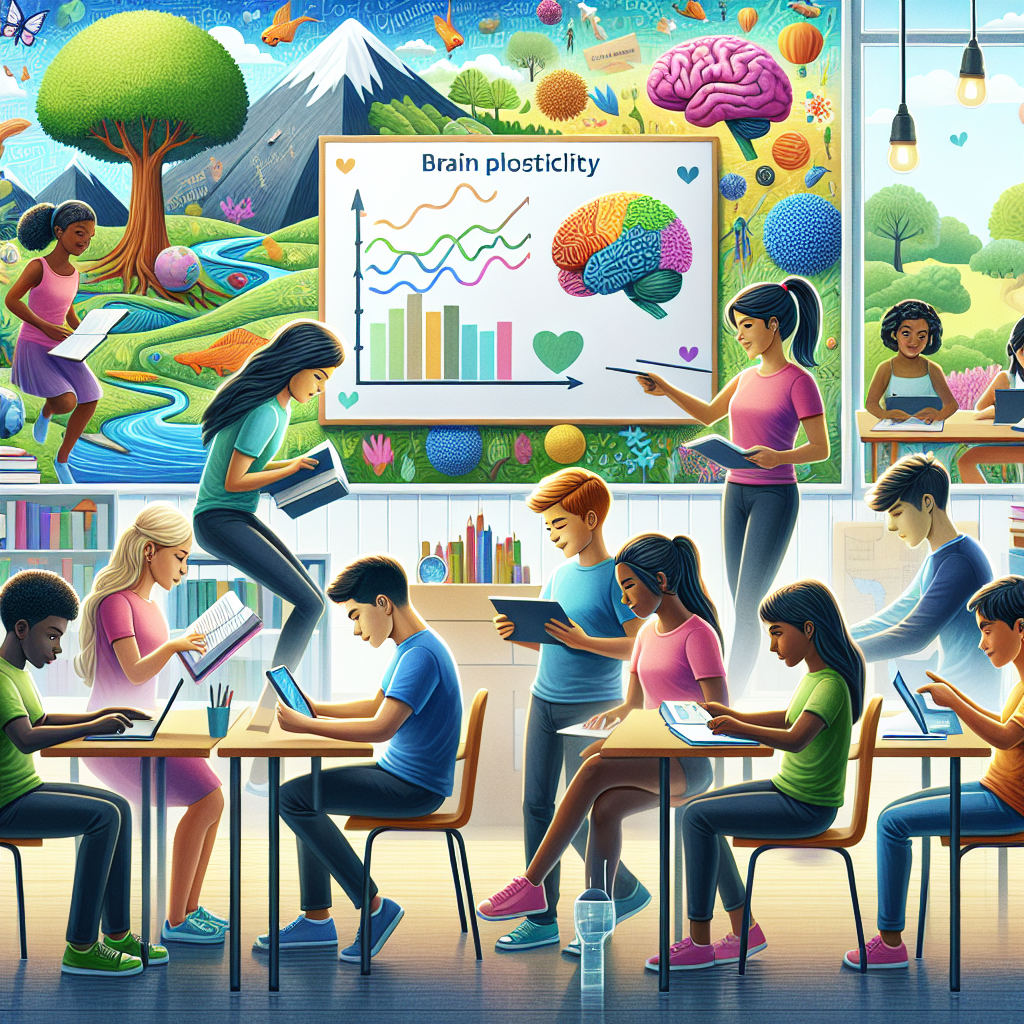
Learning is more than just memorizing facts; it's an intricate process that involves various cognitive functions. At the core of this process is our brain's plasticity, meaning it can change and adapt based on experiences. This is where psychology plays a crucial role. Theories from cognitive psychology, such as the dual coding theory, suggest that we remember information better when it is presented in multiple formats—think images paired with text. This principle can be applied in classrooms and self-study to create more impactful learning experiences.
Motivation: The Fuel for Learning
Ever notice how a lack of motivation can stall even the most promising students? According to psychologist Carol Dweck, adopting a growth mindset—the belief that abilities can be developed through dedication and hard work—is paramount to nurturing motivation. When learners understand that effort leads to improvement, they are more likely to embrace challenges and persist through difficulties. Simple practices like setting achievable goals and celebrating small successes can foster this mindset, making learning a more rewarding journey.
Learning Styles: Myth or Reality?
The debate around learning styles—visual, auditory, kinesthetic, etc.—has gained traction over the years. While it's true that people have preferences in how they consume information, research indicates that the effectiveness of these styles may not be as pronounced as once believed. Instead, using a blend of teaching methods can cater to different needs and reinforce learning. For instance, incorporating storytelling, discussions, and hands-on activities can address varied learner preferences, enhancing overall understanding and retention.
Emotional Intelligence: The Often-Overlooked Component of Learning
Another critical factor affecting learning is emotional intelligence (EQ). Students with high EQ tend to manage stress better, empathize with others, and navigate social complexities, all of which contribute to a more conducive learning environment. Encouraging emotional awareness and social skills in educational settings not only improves academic performance but also prepares students for real-world challenges. Activities like group projects and peer feedback can enhance these skills, ensuring students thrive both inside and outside the classroom.
Practical Tips for Enhanced Learning
Now that we've explored the psychology behind learning, here are actionable strategies to implement in your study routine:
- Active Learning: Engage with the material through discussions, teaching others, or applying concepts in real-life scenarios.
- Chunking Information: Break down information into shorter, manageable segments to avoid overwhelm and improve retention.
- Regular Breaks: Taking short breaks during study sessions enhances focus and prevents burnout.
- Meditation and Mindfulness: Practices that enhance concentration and reduce anxiety contribute positively to learning outcomes.
In conclusion, understanding the psychology of learning equips us with the tools necessary to become more effective learners. By employing these principles and strategies, anyone can enhance their study habits and unlock their full potential. The journey of learning doesn't have to be tedious; with the right mindset and approach, it can be a path to discovery and growth.

