
Unlocking the Mysteries of Fgenetics: The Game-Changer in Personalized Medicine!
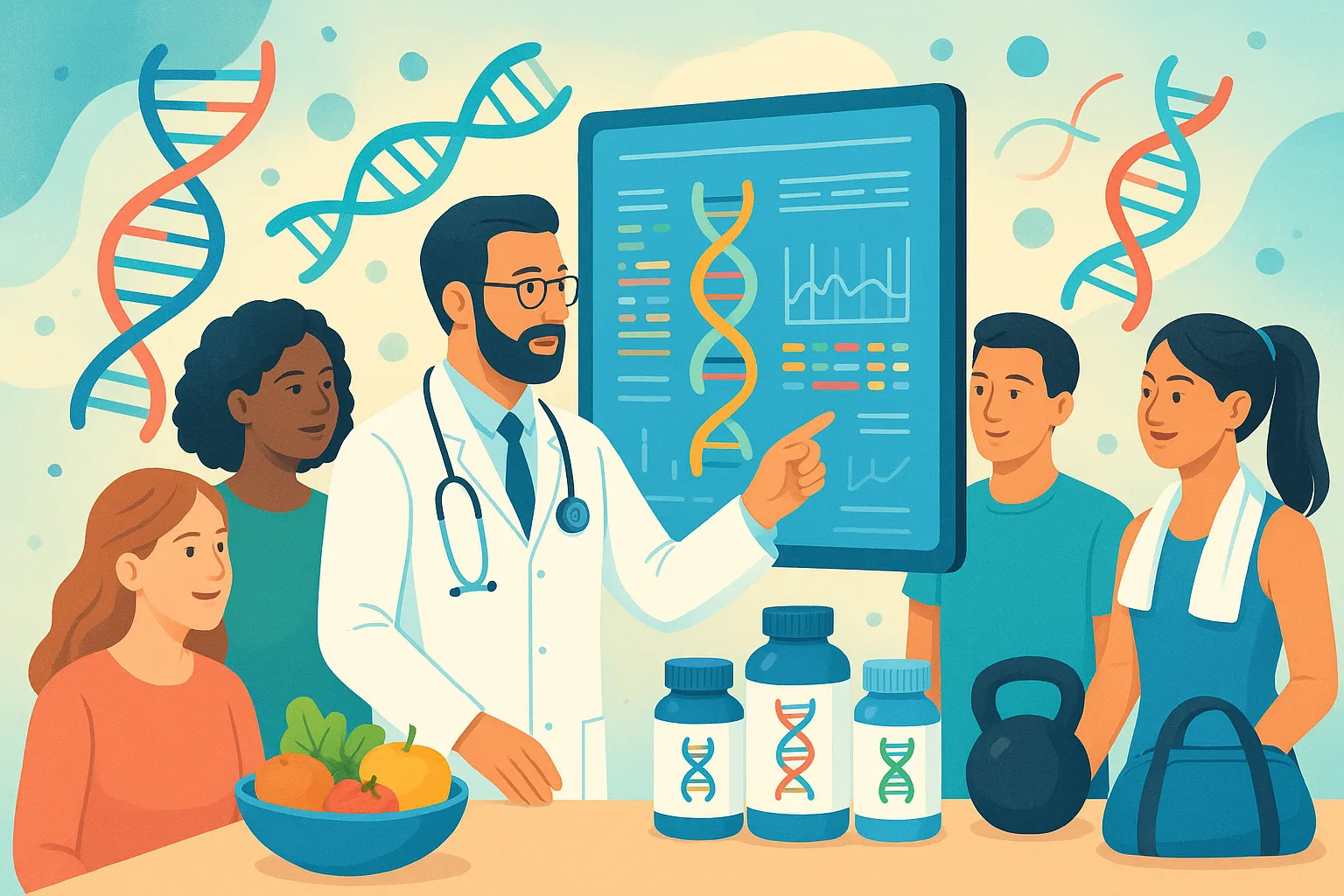
Have you ever wondered why some people respond better to certain medications than others? Or why a new diet works wonders for your friend but leaves you feeling sluggish? The answer may lie in an exciting field known as fgenetics, which is rapidly evolving to revolutionize personalized medicine and health strategies. In this article, we will explore fgenetics in a way everyone can understand, making sense of this cutting-edge science that promises to change how we approach our health.
What is Fgenetics?
Fgenetics, or functional genetics, is a branch of genetics that seeks to understand how specific genes impact biological functions and interactions. Instead of merely focusing on genetic makeup—what genes people have—fgenetics dives deeper, examining how those genes express themselves in our bodies and how they influence everything from our susceptibility to diseases to our overall well-being. Think of it as a way to investigate the user's manual your genes provide for living a healthy life.
The Personal Touch of Medicine
Imagine visiting your doctor and receiving a treatment plan that is not just based on general symptoms but finely tuned to your unique genetic profile. This is the promise of fgenetics. By analyzing how your genes interact with medications, lifestyle choices, and diseases, healthcare providers can tailor their recommendations specifically for you. This personalized approach has the potential to minimize side effects, enhance efficacy, and improve overall health outcomes.
A Day in the Life with Fgenetics
Picture this: you've just undergone a fgenetics screening that analyzes your genetic predispositions. Your results reveal that you metabolize certain drugs differently due to specific genetic markers. With this information, your doctor prescribes a precisely formulated medication that is more effective for you while reducing unwanted side effects. You feel better sooner because your treatment was specifically designed with your genetic makeup in mind. This scenario is becoming increasingly possible thanks to advancements in fgenetics.
Challenges Ahead: Is Fgenetics for Everyone?
While the potential of fgenetics is immense, the journey towards widespread adoption faces several hurdles. Access to genetic testing remains limited for some populations due to costs and availability. Moreover, the ethical implications surrounding genetic data—such as privacy concerns and potential misuse—need to be carefully addressed. As we forge ahead, it is crucial to ensure that the benefits of fgenetics are accessible and equitable for all individuals, not just those with resources at their disposal.
The Future of Fgenetics: What Lies Ahead
As research expands and technology advances, fgenetics may soon become a staple in healthcare, playing a pivotal role in disease prevention, management, and treatment strategies. Imagine a world where diseases are treated precisely and proactively, based not on what might work for the majority but what is guaranteed to work for you. The future of health can be more tailored, efficient, and effective, and fgenetics is at the forefront of making that future a reality.
In conclusion, fgenetics presents us with an opportunity to unlock the secrets that our genes hold. By embracing this scientific advancement, we can look towards a future where healthcare is personalized, efficient, and, most importantly, more impactful. So, the next time you contemplate your health choices, remember that your genes might hold the key to your unique path forward.




