Unveiling the Age of Exploration: The Extraordinary Adventures that Redefined Our World
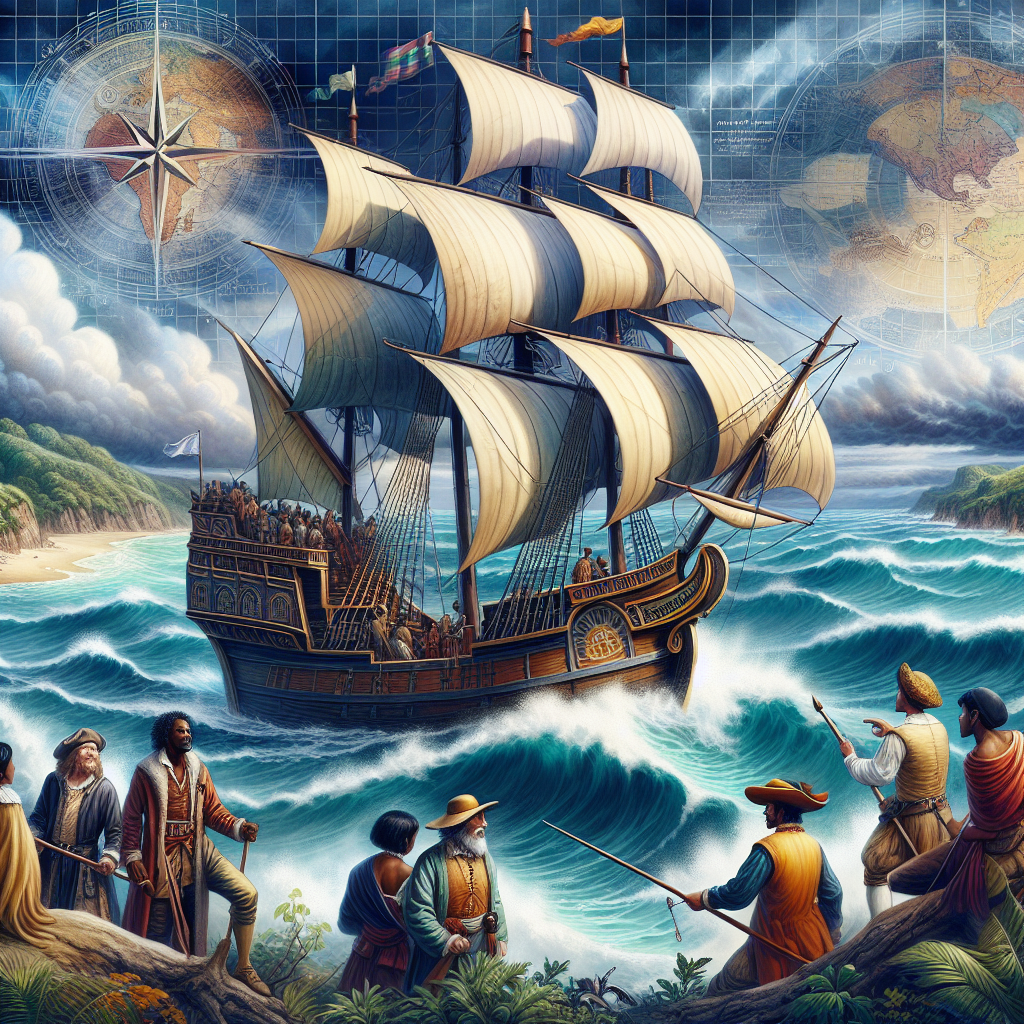
The Age of Exploration, often romanticized in books and movies, was a period that reshaped the map of the world and changed the course of human history. From the late 15th century to the early 17th century, explorers set sail into the unknown, driven by a burning curiosity and a desire for wealth, spreading cultures while bringing new goods back to their homelands—though not without dire consequences for many indigenous populations. In this article, we will delve into this fascinating era, uncovering the pursuits that fueled these journeys and the impact on global society.
The Driving Forces Behind Exploration
One may wonder what ignited the desire to explore uncharted territories. The answers lie in a mix of ambition, technological advancements, and economic incentives. Nations in Europe, particularly Spain and Portugal, were increasingly eager to expand their empires and access riches like spices and gold. The invention of navigational tools, such as the compass and astrolabe, opened up avenues that sailors could only dream of. It was a time when the ocean was not merely a barrier but a pathway to new opportunities.
Key Figures and Their Expeditions
The era boasted a host of noteworthy explorers whose names have become synonymous with discovery. Christopher Columbus, driven by a quest for a westward route to Asia, accidentally stumbled upon the Americas in 1492. His legacy, however, is a double-edged sword, as it marked the beginning of European colonization and exploitation of native peoples.
On the other hand, Vasco da Gama navigated around the Cape of Good Hope to reach India, establishing a sea route that catalyzed trade between Europe and Asia. The voyages of Magellan further illustrated the audacity of human spirit; he and his crew became the first to circumnavigate the globe, forever altering perceptions of Earth's dimensions.
The Impact of Exploration on Indigenous Peoples
While exploration led to unparalleled advancements in trade and cultural exchange, it also prompted tragic consequences for indigenous populations. Many native societies faced not only loss of land but were also subjected to forced labor, diseases, and cultural assimilation. The introduction of foreign pathogens resulted in dramatic declines in population among Native Americans, with estimates suggesting upwards of 90% mortality in some regions. This dark side of exploration often goes unacknowledged but is crucial for understanding the full impact of this era.
Lasting Effects and Modern Relevance
The Age of Exploration laid the foundation for the modern world, setting the stage for globalization. The interconnectedness we experience today—whether through trade, communication, or cultural exchanges—can trace its origins back to this transformative period. Yet, it also challenges us to confront historical injustices and consider how past actions shape contemporary societies.
As we reflect on the Age of Exploration, we must recognize that the spirit of inquiry is part of what drives humanity forward. However, let us also be vigilant to ensure that exploration is done with respect and understanding of those already inhabiting the landscapes we desire to explore.
Conclusion
The Age of Exploration was a remarkable yet complex chapter in history. Its achievements in navigation and commerce were monumental, but so were its implications for native peoples and cultures. By studying this era, we gain insight into the consequences of our global pursuits and the importance of approaching future exploration with care and an awareness of historical context.

