
Whispers in Silence: How Sign Languages Connect Us Beyond Words
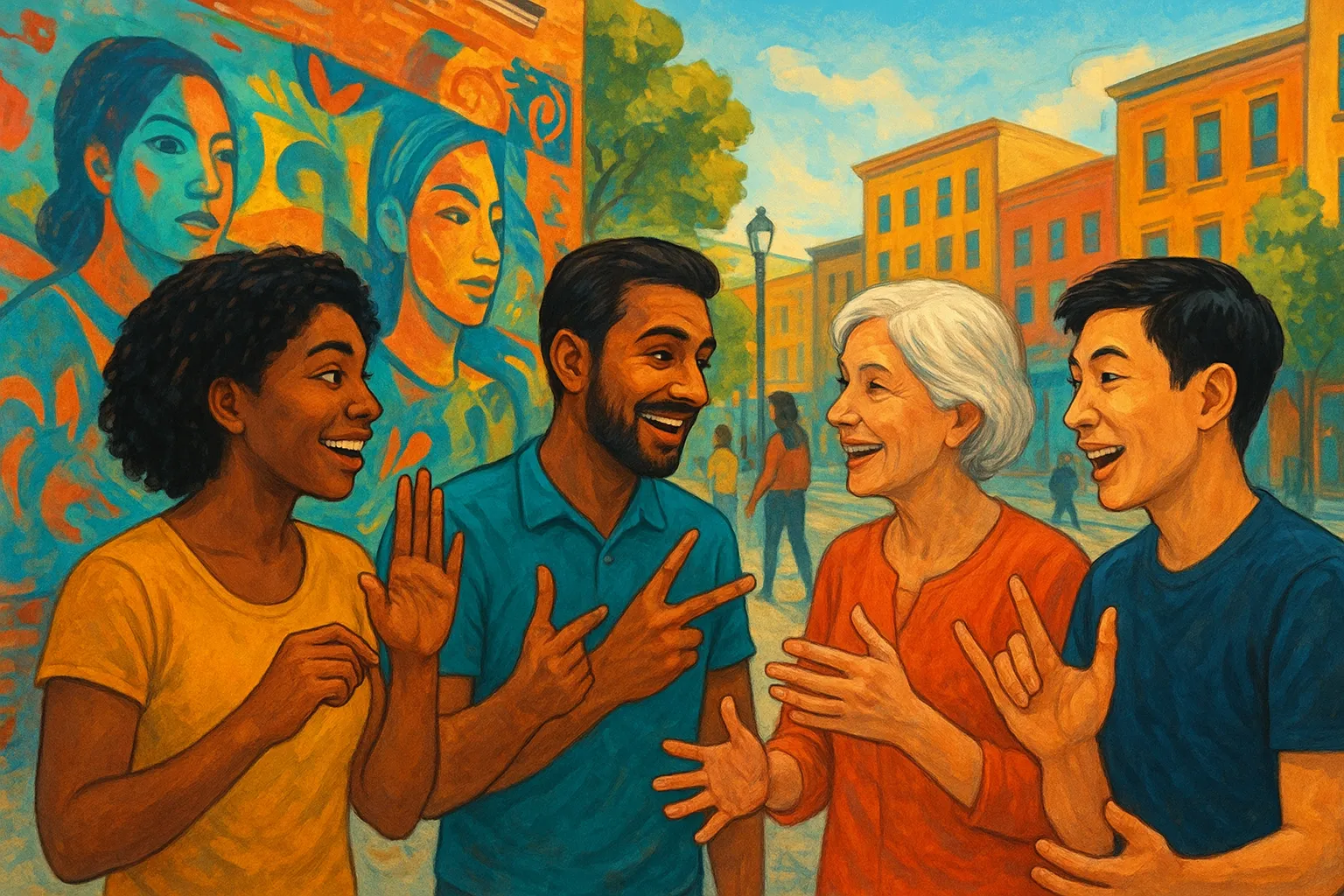
In a world filled with noise, communication goes beyond mere words. One of the most profound and beautiful forms of expression is through sign languages, a rich tapestry of gestures and visual cues that enable millions to share their thoughts and emotions without spoken language. Interestingly, not only do these languages foster connection within the Deaf community, but they also reveal insights about human cognitive abilities and the cultures they emerge from.
What Are Sign Languages?
Sign languages are fully developed languages that use signs made with the hands, body, and facial expressions to convey meaning. Each sign language is unique to its culture and community; for example, American Sign Language (ASL) differs significantly from British Sign Language (BSL). These languages are not universal; they evolve naturally and bear the same complexity and nuances as any spoken language.
The Cognitive Marvel of Signing
Research has shown that learning sign language can enhance cognitive skills. Studies indicate that sign language users often demonstrate improved spatial awareness and visual processing abilities. This cognitive impact highlights how engaging in a language that utilizes a different modality (visual rather than auditory) can shape the brain in fascinating ways, enhancing communication skills that extend beyond the Deaf community.
The Role of Culture in Sign Languages
Sign languages also serve as a cultural anchor for Deaf communities. They embody the history, values, and identities of their users. Just as spoken languages drop idiomatic expressions or cultural references, sign languages share rich narratives and art forms, such as storytelling and poetry, that reflect the unique worldview of their speakers.
Breaking Down Barriers: Sign Language Accessibility
Despite their relevance, sign languages often face barriers to wider acceptance in society. The push for recognition of sign languages in educational institutions, media, and public services is crucial. By advocating for the inclusion of sign languages, we foster a more inclusive environment, allowing everyone, regardless of hearing ability, to participate fully in society.
The Importance of Learning Sign Language
Learning sign language isn’t merely about adding another skill to your resume; it’s about enhancing your ability to connect with others. It allows you to communicate with Deaf friends, family members, or colleagues, creating a more inclusive society. Moreover, learning a new language can be a rewarding cognitive challenge that enriches your life experiences.
Conclusion: A Call to Embrace Connection
In the grand narrative of human communication, sign languages hold a vital chapter. They are a testament to the diverse modes of expression that transcend spoken words. By diving into the world of sign languages, we not only honor their beauty and complexity but also strengthen our ability to connect with one another in meaningful ways. As society leans towards inclusivity, recognizing, learning, and celebrating sign languages will not only bridge gaps but will enrich our collective human experience.




