Why Nuclear Physics Might Be the Key to Our Energy Crisis
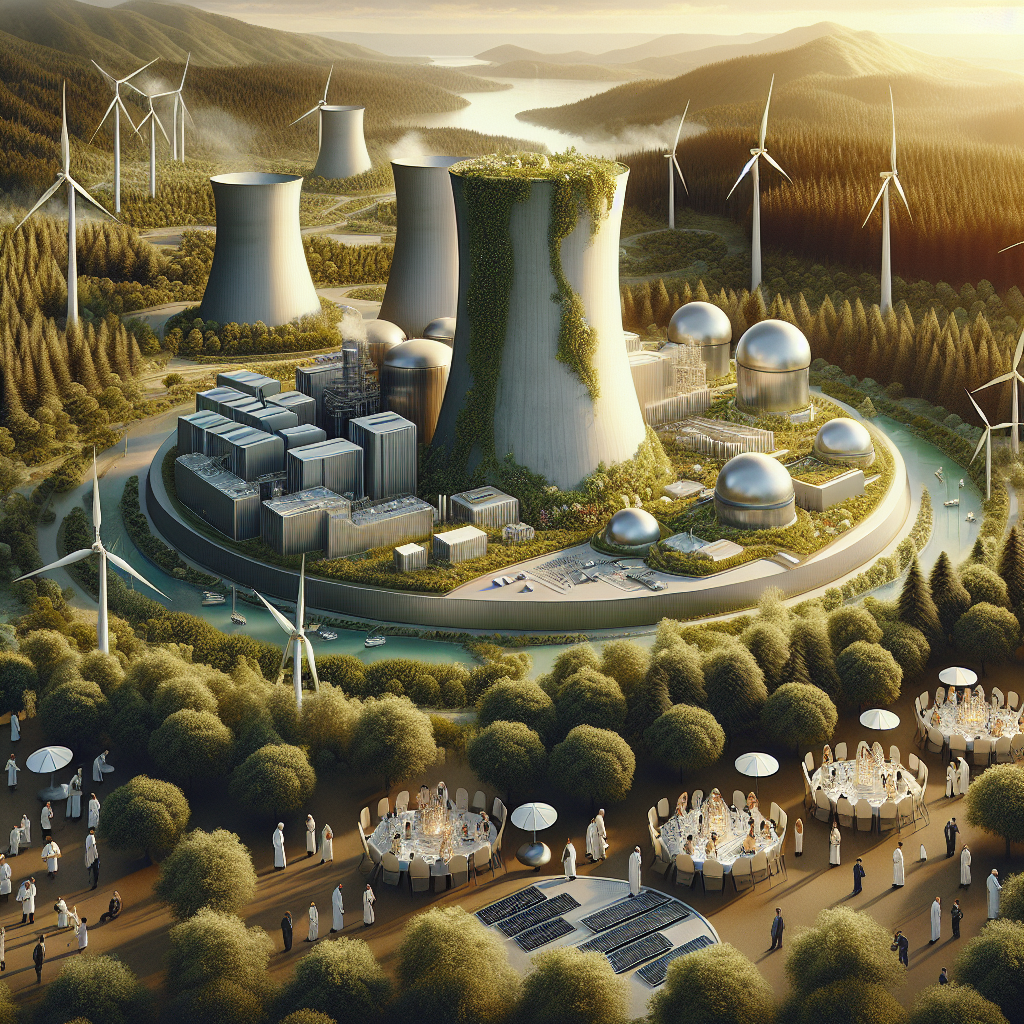
As the world grapples with the pressing need for sustainable energy solutions, one often-overlooked field stands out: nuclear physics. Too often viewed through the lens of terrifying disasters and complex equations, nuclear physics holds transformative power that could redefine our energy landscape. But what does it really mean for the average person? Let’s break it down.
The Basics of Nuclear Physics
Nuclear physics focuses on the components and interactions of atomic nuclei. At its core, it explores how atoms come together and release energy, a process that can be harnessed for various applications, particularly energy production. In a way, we can think of nuclear physics as the science of the universe's most basic building blocks—atoms.
Why Now?
In today’s context, the energy crisis is more than just a buzzword; it's a growing concern that threatens our economic and environmental stability. Traditional energy sources, such as fossil fuels, are finite and contribute heavily to pollution. As we search for alternatives, nuclear energy—often stereotypically seen as dangerous—emerges as a viable contender thanks to advancements in technology and safety protocols.
Safety and Advancements
Modern nuclear reactors are not the same as those of previous decades. Innovations have significantly improved safety measures, reducing the risk of accidents. For example, the development of small modular reactors (SMRs) suggests a future where nuclear facilities are more efficient, less prone to failure, and easier to manage. Interestingly, some scientists argue that SMRs could be deployed in remote areas where energy resources are scarce.
Beyond Power: The Unexpected Benefits
Yet, nuclear physics does not only offer solutions to energy challenges. It also contributes to medical advancements. The same principles that govern nuclear reactions are also used in radiation therapy for cancer treatment, highlighting the dual benefits of this remarkable science. It has created a ripple effect beyond just power generation—improving lives in countless ways.
Your Role in the Nuclear Conversation
As we think about a sustainable future, it’s vital to engage in the conversation around nuclear energy. It’s easy to fear what we don’t understand, but knowledge is empowering. As citizens, we have the power to advocate for science-based policies that prioritize safety and sustainability in energy production. So, the next time you hear about nuclear physics, consider its potential—and not just its risks.
Conclusion: The Path Forward
The journey of nuclear physics from a misunderstood discipline to a beacon of hope in addressing energy demands is a compelling tale of innovation and progress. While challenges remain, the path forward is illuminated by the possibility of harnessing this incredible science for the betterment of the world. It’s time to shed outdated notions and embrace the nuanced knowledge that nuclear physics offers. The future of energy may just look a lot like the nucleus of an atom.

