Why Understanding Weather Patterns Could Save Us From Future Disasters
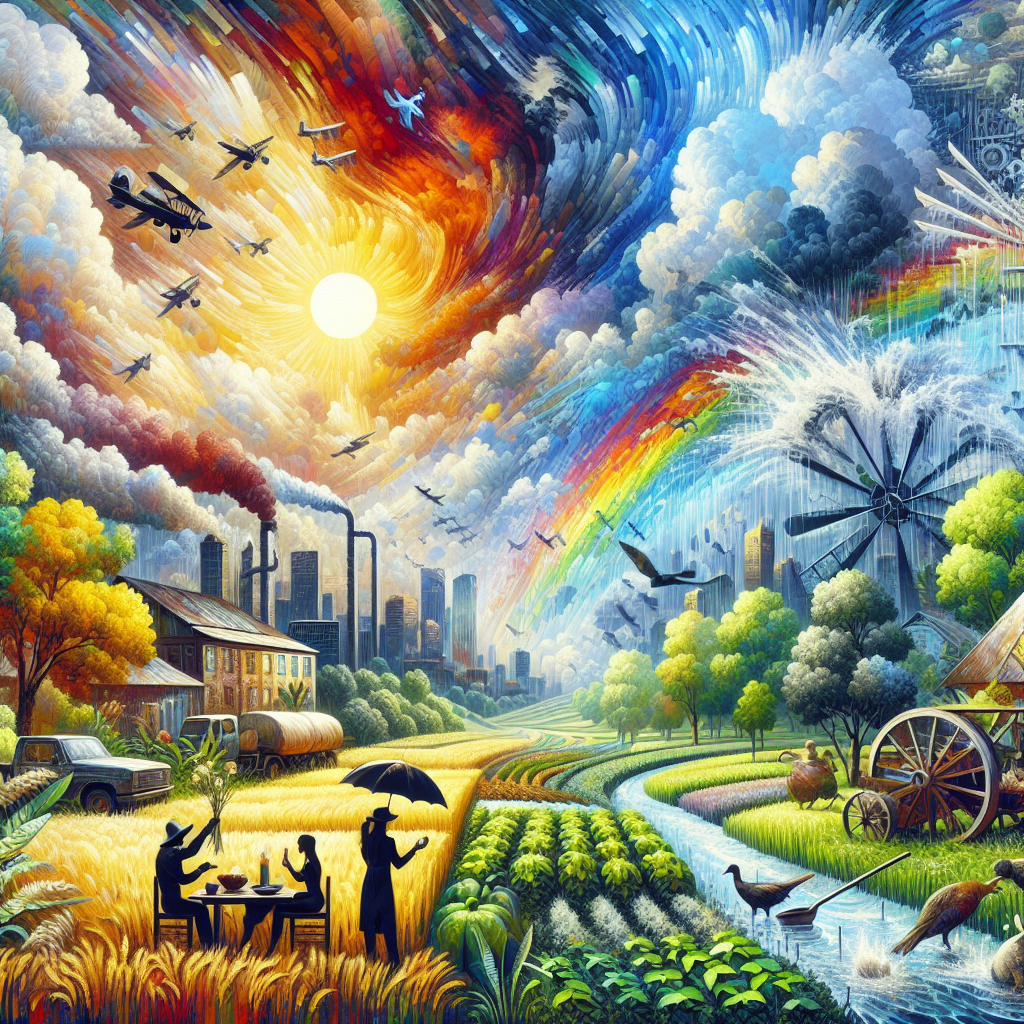
Weather is more than just what we experience outside our windows – it's a complex system that impacts agriculture, transportation, and even our daily moods. With climate change accelerating dramatic shifts in weather patterns, understanding how these shifts occur is more crucial now than ever. But what do these changes mean for us as individuals and communities? Let's delve into the science behind weather patterns and why they matter.
What Are Weather Patterns?
Weather patterns refer to the recurring conditions of temperature, precipitation, humidity, and wind in a particular area over time. Think of it as the “personality” of the atmosphere: some places are hot and dry, while others might be cold and wet. These patterns develop due to various factors like the sun's heat, ocean currents, and geographic features such as mountains and valleys.
The Role of Climate Change
In recent years, we’ve noticed that weather patterns are changing significantly. Scientists point to climate change as a major factor behind this shift. For instance, warmer ocean temperatures result in more intense storms and hurricanes, while fluctuations in global temperatures can lead to prolonged droughts in previously fertile regions. According to NOAA, the rate of sea level rise has doubled in the last century, showcasing just how urgent these changes are becoming.
How Weather Affects Our Daily Lives
From planning weekend outings to determining crop planting schedules, our lives are intricately linked to the weather. Understanding impending weather conditions can help us prepare: carrying an umbrella on a rain forecast, for instance, can keep us dry and comfortable. On a larger scale, farmers rely on seasonal weather predictions to decide the best planting times, while city planners have to account for potential flooding when designing infrastructure.
Improving Preparedness Through Awareness
As citizens, we can enhance our preparedness by staying informed about local weather forecasts and understanding the signs of changing weather patterns. Simple actions, such as signing up for alerts or learning about the indicators of severe weather, can drastically reduce the risks posed by natural disasters. This proactive approach not only keeps us safe but also cultivates a sense of community as neighbors come together to support one another during challenges.
The Bottom Line
As we navigate an increasingly unpredictable climate, the importance of understanding weather patterns cannot be understated. By staying educated and proactive, we can mitigate the impacts of severe weather, protect our communities, and work together to create a sustainable future. Knowledge is our best tool in the fight against the forces of nature.

