
World War I: The Unexpected War That Changed the Course of History Forever
When we think of wars that reshaped the world, World War I often lingers in the shadows of World War II. However, this unprecedented conflict, which lasted from 1914 to 1918, profoundly transformed nations, societies, and the very fabric of life itself. But what was it about the "Great War" that not only drew in more than 30 countries but also set the stage for the modern geopolitical landscape we know today? Let's explore the key events, ideologies, and implications of World War I in accessible terms.
The Origins: A Tug of War for Power
The roots of World War I can be traced back to a complex web of alliances, imperial ambitions, and nationalistic fervor. The assassination of Archduke Franz Ferdinand in 1914 acted as a spark in a powder keg already primed for conflict. But underlying tensions between established powers like Britain, France, and Germany created a situation rife with competition and rivalries. Imagine a high-stakes game of chess where any wrong move could lead to an all-out brawl—a metaphor for the delicate balance of power in early 20th-century Europe.
The Horrors of Trench Warfare
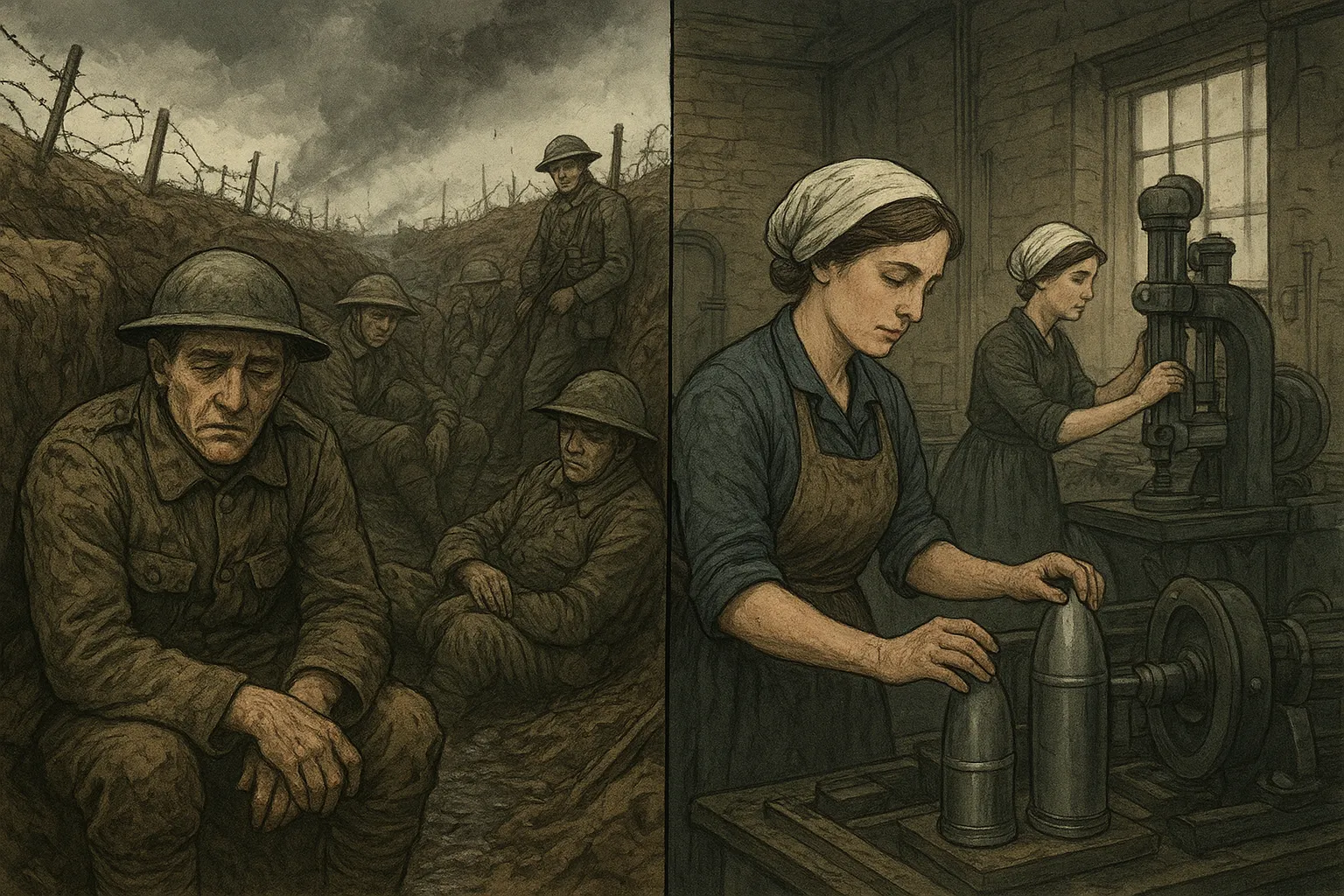
One of the most striking aspects of World War I was the advent of trench warfare. Soldiers lived in squalid conditions, fighting not just the enemy, but also the elements and disease. The experience was far removed from the romanticized notions of heroism. Instead, it was grim, brutal, and demoralizing. Fighting in muddy trenches, men faced relentless artillery barrages and poison gas, highlighting the advancement of military technology that made the war incredibly deadly. With millions dead and countless wounded, World War I showcased the true horror of modern warfare.
The Home Front: A Total War
World War I also marked a shift in societal roles, especially for women. With men enlisted in the army, women stepped into roles previously reserved for them, working in factories and serving in various capacities that supported the war effort. This change challenged traditional gender roles and paved the way for social reforms, including women's suffrage. Society was redefined during this time, as everyone felt the economics and emotions of a nation at war.
Aftermath: Redrawing Borders and Ideologies
The Treaty of Versailles in 1919 aimed to formally end the war but instead set the stage for future discord. The punitive reparations imposed on Germany fostered resentment, inadvertently laying the groundwork for World War II. Furthermore, the dismantling of empires and the creation of new nations based on national identities changed the political map of Europe forever. The ramifications of these decisions can still be felt today, as they reshaped borders and fueled conflicts that continue to exist.
Lessons Learned: A War to Remember
Ultimately, World War I was a complex tapestry of chaos and change that illustrated the fragility of peace. The lessons learned resonate even in our contemporary world, reminding us of the dangers of unchecked nationalism and the ripple effects of global conflict. Revisiting the nuanced history of this pivotal event helps us appreciate the structures of peace we aim to build and maintain today. War, after all, is not just a series of battles—it’s a profound transformation of humanity itself.




