
Cracking the Code of Dengue Virus: How Temperature and pH Influence Viral Mechanics!
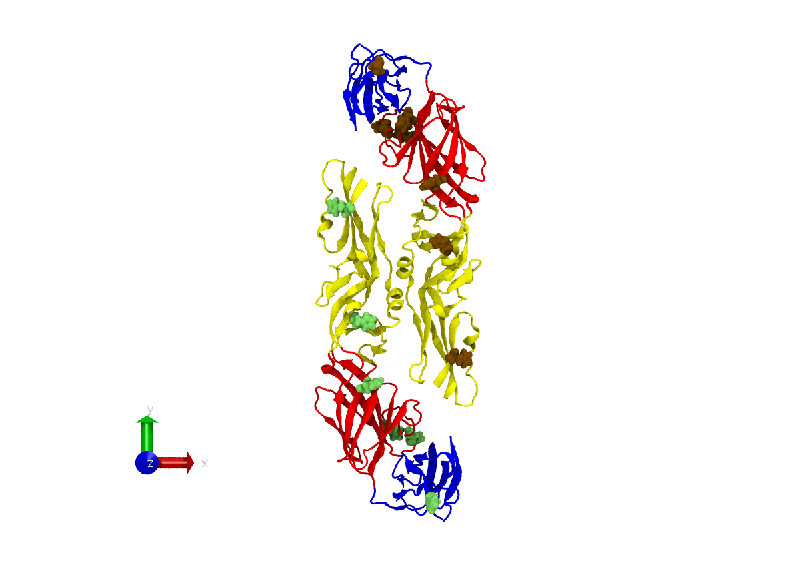
Dengue virus (DENV) poses a significant public health challenge as it affects approximately 390 million people each year, leading to severe illnesses and thousands of deaths. A recent study dives deep into the mechanistic intricacies of the virus, particularly focusing on its envelope protein's dissociation dynamics under varying environmental conditions. Researchers discovered how pH and temperature impact the stability and function of key viral structures.
Understanding the Envelope Protein
The envelope (E) protein of DENV plays a crucial role by facilitating the entry of the virus into host cells. It operates through a mechanism of conformational changes that allow the virus to fuse with the host's cell membrane, making it a pivotal target for antiviral strategies. The study utilized advanced steered molecular dynamics simulations to observe these changes under different pH levels and temperatures, revealing noteworthy stability characteristics of the E protein dimer across the virus's serotypes DENV-2 and DENV-3.
Key Findings from Molecular Dynamics Simulations
The simulations reflected that the E protein dimers displayed remarkable mechanical stability, with rupture forces exceeding 1000 picoNewtons (pN). These forces are comparable to certain strong biological interactions, indicating a robust structure resilient to environmental alterations.
Interestingly, while both serotypes of the virus retained stability, the researchers noted that DENV-3 showed a distinct sensitivity to temperature changes. As the temperature increased, the stability of DENV-3 diminished more than that of DENV-2, suggesting nuanced differences in how the two serotypes respond to environmental stress.
The Role of pH and Temperature in Viral Dynamics
The acidic conditions typical in endosomes, where viruses fuse with host membranes, were shown to play a pivotal role in enhancing the dissociation of the dimers. Specifically, it was found that the dimeric structure of E proteins begins to destabilize under acidic pH, triggering conformational changes that allow the virus to enter its host.
Furthermore, the study identified a metastable intermediate state during the dissociation process, termed the "asymmetric state," characterized by partial dimer opening and the exposure of a critical epitope that could serve as a target for therapeutic intervention. This state was prevalent across varying temperatures and pH levels, making it a promising area for future drug development. Stabilizing this intermediate state could prevent complete dissociation and, subsequently, viral fusion.
Therapeutic Implications
These insights underline the potential for developing antiviral agents that could stabilize the E protein dimer, thus hindering the fusion process essential for viral infection. The findings also highlight specific interactions between the protein structures that are sensitive to pH changes, marking them as potential drug targets.
In summary, this study sheds light on the mechanostability and dissociation dynamics of DENV under varying environmental conditions, paving the way for innovative antiviral strategies aimed at controlling dengue infections and potentially other flavivirus-related diseases.
Authors: Georcki Ropón-Palacios, Luís G. F. Crespi, Jakub Rydzewski, Walter Rocchia, Alexandre S. de Araujo


