Decoding the Complexity of Community Governance: How Mastodon Rules Evolve as User Bases Expand
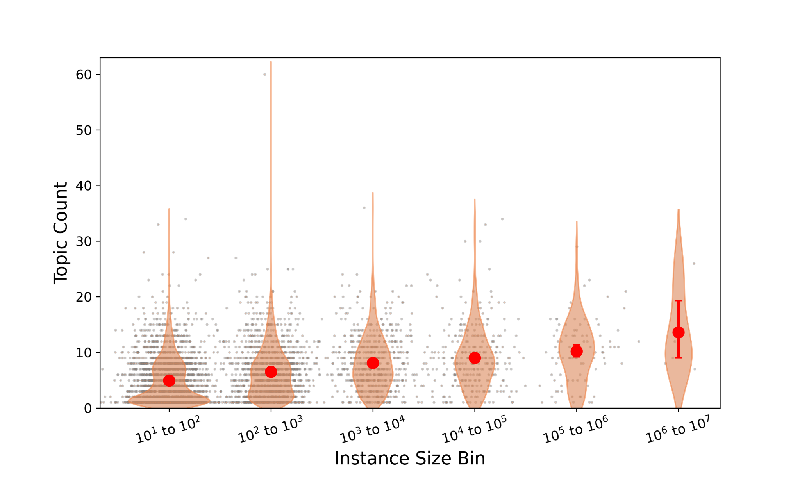
In a world where social media is increasingly decentralized, the intricate challenge of self-governance and moderation comes to the forefront. A recent study titled Federating Governance: How Community Rules Scale with Mastodon Instances, conducted by researchers from Indiana University, the University of Virginia, and TUD Dresden University of Technology, delves deep into how community rules on platforms like Mastodon grow and diversify as these online spaces evolve.
The Rise of Decentralized Platforms
Platforms such as Mastodon and Bluesky emerge as alternatives to centralized giants like Twitter and Facebook, allowing communities to create their own rules and operate independently. This gives users a sense of control, but it also introduces the complexity of managing diverse norms and expectations. As communities expand, the way they govern themselves must adapt to increasing content volume and a wider variety of user interactions.
Key Findings from the Research
The study analyzed a comprehensive dataset of 28,910 rules from 6,660 Mastodon instances, aiming to understand how governance priorities and rule structures change with community size. The research established three key findings:
- Consistency Across Sizes: Despite differences in size, communities express similar governance priorities, particularly in rules aimed at mitigating harassment, hate speech, and illegal content. This convergence suggests a universal commitment to creating safe online spaces.
- Growth Tension: As communities expand, so do their rule sets. Larger instances adopt more diverse and extensive rules, reflecting a broader range of governance concerns. However, this often comes at the cost of readability and diversity in language, making rules harder for users to interpret.
- Internal vs. External Influences: The research revealed that factor size heavily influences rule formulation, underscoring local scaling pressures over external federation dynamics. In other words, the internal needs of a community often dictate its moderation strategies more than the nature of its relationships with other instances.
The Implications for Moderate Decentralized Communities
The insights gained from this analysis highlight crucial design considerations for social media platforms. Moderation frameworks need to balance precision with accessibility, ensuring that rules are not only comprehensive but also easy for users to understand. This duality is essential for enhancing user compliance and creating a fair governance environment.
As Mastodon continues to grow, the research calls for an evolution in how rules are composed, proposing the introduction of tiered templates that assist administrators in rule revision as their communities grow. These practical recommendations could significantly improve community moderation and enhance user experience.
Conclusion
This study sheds light on the evolving landscape of community governance on decentralized social media platforms. By understanding the scaling patterns of community rules on Mastodon, stakeholders can better navigate the complexities of self-governance, fostering safer and more inclusive online spaces for all.

