
Dengue Virus: Unveiling the Mechanistic Secrets Behind its Envelope Protein Dynamics!
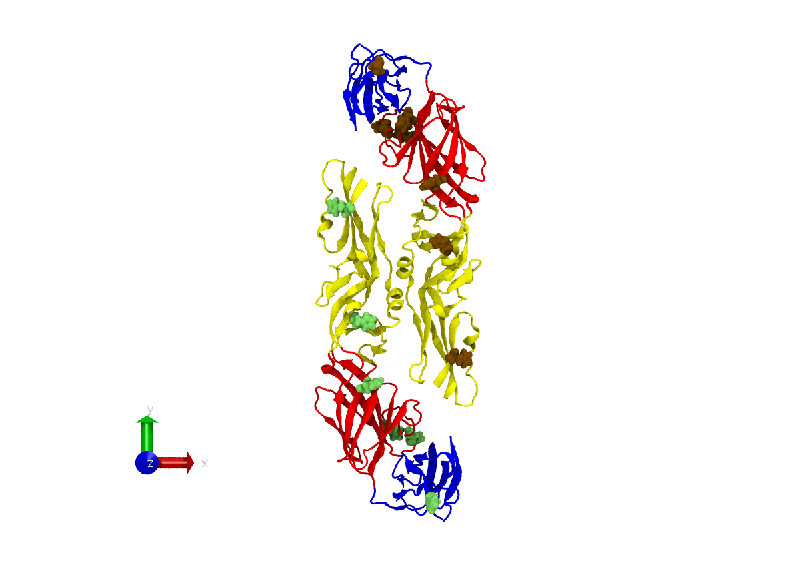
A recent study sheds light on the intricate workings of the Dengue virus (DENV), particularly focusing on the mechanostability and dissociation dynamics of its envelope protein, a critical component in the virus's ability to infect host cells. This research is crucial as dengue fever continues to be a major public health concern, causing millions of infections worldwide each year.
Understanding the Envelope Protein's Role
The envelope (E) protein of DENV is essential for the virus's entry into host cells. It operates as a homodimer, which means two identical protein molecules pair together. This dimerization is vital for the virus's stability and its ability to morph and fuse with host cell membranes. Researchers have now performed detailed molecular dynamics simulations to explore how variations in pH and temperature affect these dimer interactions.
The Importance of pH and Temperature
The study reveals that both pH levels and temperatures can impact the stability of the DENV envelope protein. Specifically, while DENV-2 and DENV-3 showed similar stability under various conditions, DENV-3 exhibited greater sensitivity to temperature changes. The research highlights a notable finding: the dissociation mechanism started asymmetrically, where one half of the dimer dissociated before the other. This characteristic could explain the virus's adaptability and potentially help in creating antiviral strategies.
Insights into Therapeutic Targets
One of the most significant findings is the identification of a metastable intermediate during the dissociation process, which is characterized by the exposure of crucial regions of the E protein. This intermediate state could serve as a vital target for therapeutic agents. By preventing the complete dissociation of the dimer, it may effectively block the membrane fusion process that allows the virus to infect the host cell.
The Path Forward: Potential Implications for Antiviral Development
This research opens up new avenues for antiviral drug development by pinpointing how the E protein's interaction changes under different physiological conditions. Efforts can be directed toward designing molecules that stabilize the dimeric form of the E protein, thus preventing the virus from effectively merging with host cells and, in turn, limiting the spread of the infection.
As we continue to combat dengue virus infections globally, understanding the molecular dynamics behind its envelope protein is a crucial step toward developing effective treatments. The research not only adds to our fundamental knowledge of virology but also provides actionable insights to medical science in the fight against viral diseases.
Authors: Georcki Ropón-Palacios, Luís G. F. Crespi, Jakub Rydzewski, Walter Rocchia, Alexandre S. de Araujo


