Driving Safety Revolutionized: The Low-Cost Solution to Recognize and Improve Driver Patterns
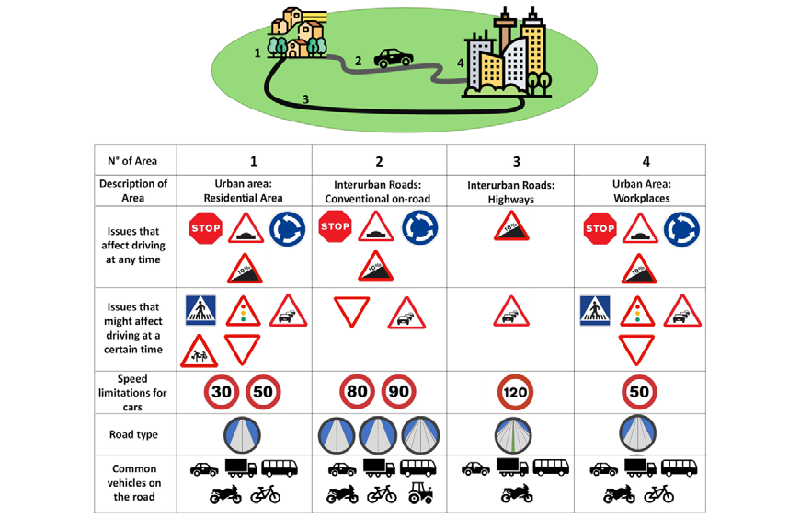
In a world where road safety is a growing concern, a group of researchers has developed a groundbreaking system that harnesses the power of artificial intelligence to enhance driving safety. Led by Oscar Romero and his team—Aika Silveira Miura, Lorena Parra, and Jaime Lloret—their innovative study focuses on creating a low-cost method to automatically recognize and assess driving patterns, especially in interurban mobility.
The Need for Safer Driving Solutions
According to the World Health Organization, vehicle accidents are responsible for approximately 1.35 million deaths annually. This alarming statistic underscores the necessity for systems that can predict and prevent dangerous driving behaviors before they lead to accidents. With newly manufactured vehicles often equipped with complex driving evaluation technologies, many cars still lack such features. The researchers' system aims to bridge this gap by providing real-time feedback to drivers, promoting safer driving habits.
How the System Works
The proposed system utilizes two physical sensors—an accelerometer and a GPS unit—integrated into a small device that drivers can simply place on their dashboards. This device gathers data on speed, location, and turning patterns to evaluate driving behavior. By employing an artificial neural network (ANN), the system analyzes the data and classifies driving styles as normal, conservative, or aggressive.
When it detects an unsafe driving pattern, it issues an audible warning, helping to modify driver behavior in real time. This feature enhances awareness and encourages safer driving, potentially reducing the incidence of accidents.
Impressive Results from Real-World Testing
The research team conducted tests on a 10-kilometer route through the interurban area of Valencia, Spain, simulating three different driving styles. In tests that utilized a combination of speed, geo-information, and time data, the accuracy of the system reached an impressive 83%. When simplifying the analysis to two categories of driving—normal versus aggressive—the accuracy soared to 92%. The inclusion of geo-information significantly improved classification accuracy, marking a novel approach within existing literature.
The Future of Driving Safety
Aside from its strong performance in recognizing driving patterns, the system's affordability and ease of use enhance its potential for widespread adoption. This means that not only individual drivers but also fleet operators could benefit, leading to enhanced training for new drivers and improved ratings for professional drivers. With more drivers employing the system, a larger database can be amassed, further refining its predictive capabilities for driving behaviors.
With continued refinement and the possibility of integrating additional functionalities, such as real-time traffic updates, this system promises to provide a valuable tool in the ongoing effort to enhance road safety.
The findings from Romero and his colleagues not only highlight a significant advancement in recognizing driving behavior but also call for more widespread application of technology and innovative thinking in preventing vehicular accidents.
Authors: {Oscar Romero, Aika Silveira Miura, Lorena Parra, Jaime Lloret}

