
Game On! How Refactoria Transforms Code Refactoring into a Fun Learning Adventure
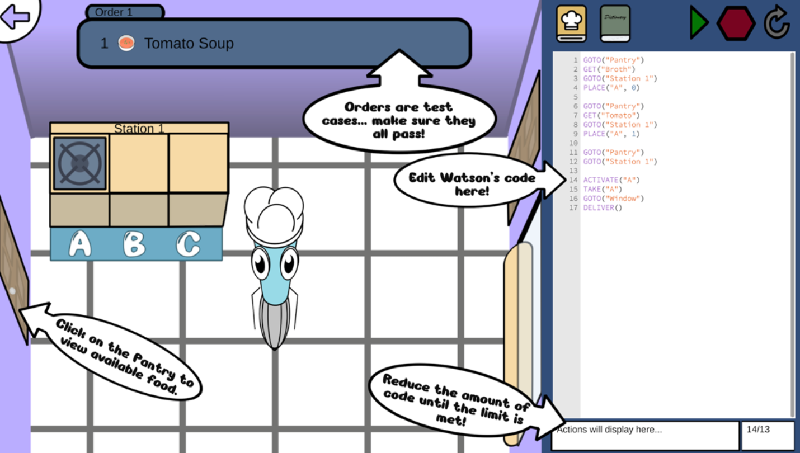
In an era where effective software development relies heavily on clean and manageable code, the art of refactoring—improving code without altering its functionality—has emerged as a critical skill for developers. A recent study by researchers at Stevens Institute of Technology introduces an innovative solution: Refactoria, a game-based platform designed to teach code refactoring principles in a fun and engaging way.
The Need for Refactoring Skills
Refactoring is vital for maintaining software quality; however, many developers lack the motivation to adopt necessary refactoring tools due to the challenges of identifying 'code smells'—poor programming practices that indicate deeper issues. The research highlights that skills in recognizing and refactoring these problems often come from training and hands-on experience, which are not sufficiently emphasized in many computer science curricula.
Introducing Refactoria
Refactoria aims to bridge this educational gap by gamifying the learning process. Players take on the role of a chef, guiding their robotic sidekick, Watson the Whiskbot, through various cooking challenges that require improving code that's laden with 'smells.' Each level presents players with flawed code that, although functional, is inefficient and difficult to maintain, challenging them to apply refactoring techniques to improve it.
Experimental Validation and Positive Outcomes
The study involved 30 undergraduate students who had prior programming experience. Participants engaged with Refactoria and subsequently evaluated their experiences through a survey. The results were overwhelmingly positive, with 83% of students reporting an enhanced understanding of refactoring concepts after playing the game. Many noted that solving code puzzles helped demystify the process of refactoring, making them more confident in addressing similar issues in their own coding practices.
Insights into Learning Through Gamification
Gamification in learning environments, like that used in Refactoria, has proven to foster engagement and motivation, crucial for mastering complex concepts such as code refactoring. Participants found that the game's interactive elements not only facilitated understanding but also made the learning process enjoyable and less intimidating. Many echoed sentiments that they were now more willing to tackle their own legacy code, noting how the playful atmosphere minimized anxiety associated with refactoring.
Future Directions
The study's researchers emphasized the importance of continuous improvement, suggesting enhancements to the game such as reflection prompts to foster deeper understanding and hint systems to aid players struggling with particular puzzles. They also identified a need for greater accessibility features, ensuring that more individuals, including those with disabilities, can benefit from Refactoria’s learning experience.
In conclusion, Refactoria represents a significant step forward in teaching code refactoring. By combining the principles of software quality with engaging gameplay, it not only equips developers with essential skills but also makes the learning process enjoyable. As we move into a future where software quality remains paramount, tools like Refactoria could pave the way for a new generation of skilled programmers.
Authors: Eman Abdullah AlOmar, Christopher Engelbart, Stephen Pachucki, Nerissa Lundquist, David Van Hise


