
LabelMate: The Game-Changer for Automating Software Issue Report Labeling
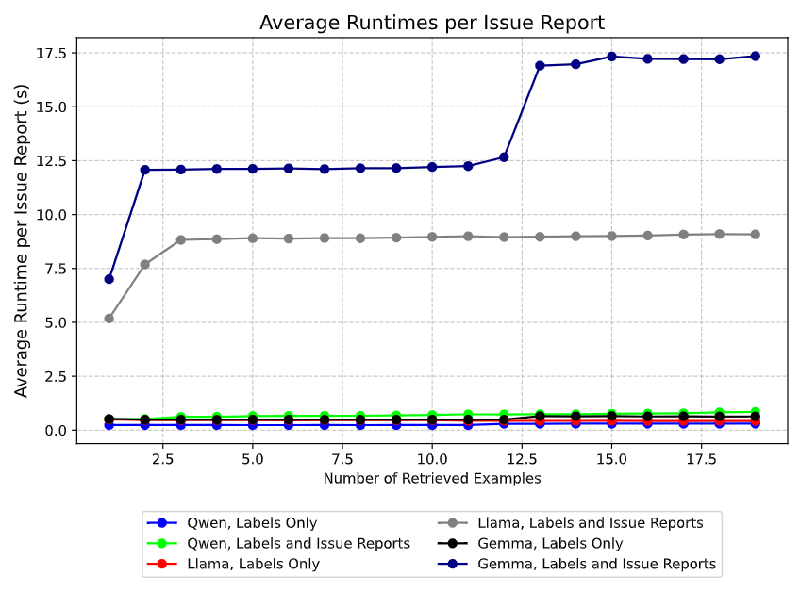
A groundbreaking study from researchers at Queen’s University and Université du Québec aims to revolutionize the way software projects handle issue reports through a framework called LabelMate. This innovative system harnesses the capabilities of Large Language Models (LLMs) to automate the labeling process, thereby enhancing project efficiency and community engagement.
The Challenge of Issue Reporting
Issue reports are crucial for managing software quality; they provide information on bugs, enhancement requests, and various concerns. However, a staggering 46% of issue reports across thousands of GitHub repositories remain unlabeled, primarily due to the labor-intensive nature of creating label taxonomies and the manual effort required for categorization. This gap highlights a critical need for automation and efficiency in software issue management.
Introducing LabelMate
LabelMate stands out as a solution to these challenges by automatically deriving a comprehensive and project-specific set of labels from historical issue reports. Unlike existing systems that rely heavily on pre-labeled datasets or simplistic taxonomy structures, LabelMate operates without requiring any predetermined label data. The system constructed a coherent set of 275 distinct and descriptive labels, achieving an impressive average labeling accuracy of 89.84%.
Key Features of LabelMate
LabelMate innovates in several crucial areas:
- Automatic Label Generation: It crafts a tailored label set based on the specifics of issue reports submitted in the past, facilitating greater relevance and specificity.
- Dynamic Label Assignment: The framework employs advanced methods to assign these labels accurately to new issues using contextually relevant historical data.
- High Efficiency: LabelMate reduces the manual burden significantly, allowing teams to focus on solving issues rather than categorizing them.
Real-World Applications and Impact
Evaluating the effectiveness of LabelMate involved testing against 16,500 reports from 30 diverse GitHub repositories. The results were promising, showcasing significant improvements in both accuracy and efficiency. For collaborative projects, the framework can either integrate with existing labeling systems or serve as a standalone method for organizations aiming to improve their issue management process.
A Future-Ready Framework
LabelMate not only enhances efficiency but also adapts to future changes in software development. Should new types of issues arise that the system has yet to label, it can dynamically update its taxonomy, ensuring its relevance to ongoing projects.
Overall, LabelMate presents a cutting-edge approach that can eliminate the traditional coding bottlenecks associated with issue reporting, paving the way for more efficient software development cycles.
Authors: Liam Johnston, Shayan Noei, Maram Assi, Ying Zou




