
Powering the Future of Wearable Health: Breakthrough in Arrhythmia Detection with Energy-Efficient AI
A pioneering study from researchers at the University of Twente and Vrije Universiteit Amsterdam has unlocked new possibilities for heart health monitoring through wearable devices. This innovative research focuses on making arrhythmia detection not only more effective but also significantly more energy-efficient, paving the way for longer-lasting wearable technology that can save lives.
The Heart of the Matter: Understanding Arrhythmia and Wearable Technology
Cardiovascular diseases remain the leading cause of death globally, with conditions like arrhythmia requiring diligent and sometimes long-term monitoring. Traditional methods usually involve bulky devices that can be uncomfortable and require manual analysis by healthcare professionals. The new approach utilizes Deep Learning algorithms that excel in detecting and classifying arrhythmias while overcoming the challenges posed by the high power consumption of such advanced technologies.
How It Works: A Blend of Approximation Techniques
The research introduces the use of clever approximation techniques to reduce the energy consumption of Deep Learning models without sacrificing accuracy. This involves two primary strategies: reducing data precision and employing approximate multiplication. By cutting down power usage by over 64%, the study showcases an architecture that can achieve significant energy efficiency, operating effectively without ballooning costs or compromising performance.
Technical Triumph: Results That Matter
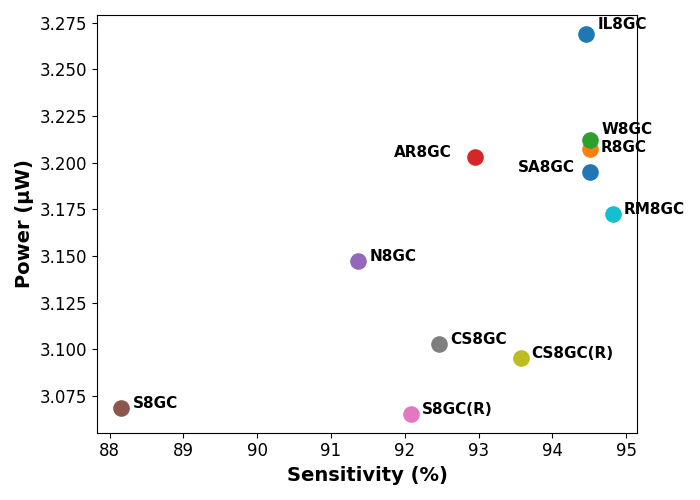
The proposed architecture, referred to as S8GC(R), demonstrated exceptional performance metrics, boasting a classification accuracy of 93.7% and a sensitivity of 92.1%. Remarkably, this system consumes only 3.07 µW of power, representing a substantial leap toward creating practical, battery-powered health monitoring solutions. By accomplishing this at a frequency of 100 MHz while maintaining the power draw, the implications for the future of wearable medical devices are profound.
Significance for Everyday Users
The implications of this research extend far beyond the lab. With wearable devices that can now operate with greater efficiency, users can expect longer battery life and the ability to monitor their heart health continuously, reducing the dependence on hospital visits and manual evaluations. This not only makes life easier but also enhances patient safety and encourages proactive health management.
The Road Ahead: Future Directions
As technology evolves, the need for energy-efficient, precise, and user-friendly health monitoring devices will become increasingly paramount. The research opens doors for refining these architectures further with targeted optimizations based on specific arrhythmia classes, maximizing power savings while ensuring adequate sensitivity for diverse health needs.
Authors: F. Bulten, Y. Rasheed, A. John, V. Stoico, G.A. Gillani
For more information, contact: f.f.bulten@student.utwente.nl | v.stoico@vu.nl




