
Revolutionary Cold Plasma Technology Decontaminates Seeds and Reshapes Fungal Communities
In a groundbreaking study published in "Plants" by Léna Taras and colleagues, researchers have demonstrated that cold atmospheric plasma (CAP) can effectively decontaminate seeds of the model plant Arabidopsis thaliana, dramatically altering the associated fungal microbiome without harming seed germination. This innovative approach presents a pesticide-free alternative for enhancing agricultural practices and managing seedborne diseases.
Understanding Cold Atmospheric Plasma
Cold atmospheric plasma refers to a partially ionized gas containing energetic particles like electrons and reactive species. Unlike traditional chemical treatments, CAP operates at ambient temperatures, making it safe for biological applications. The study highlights CAP's potential as a sustainable seed treatment technology due to its antimicrobial properties, which can combat a wide range of pathogens.
Key Findings of the Study
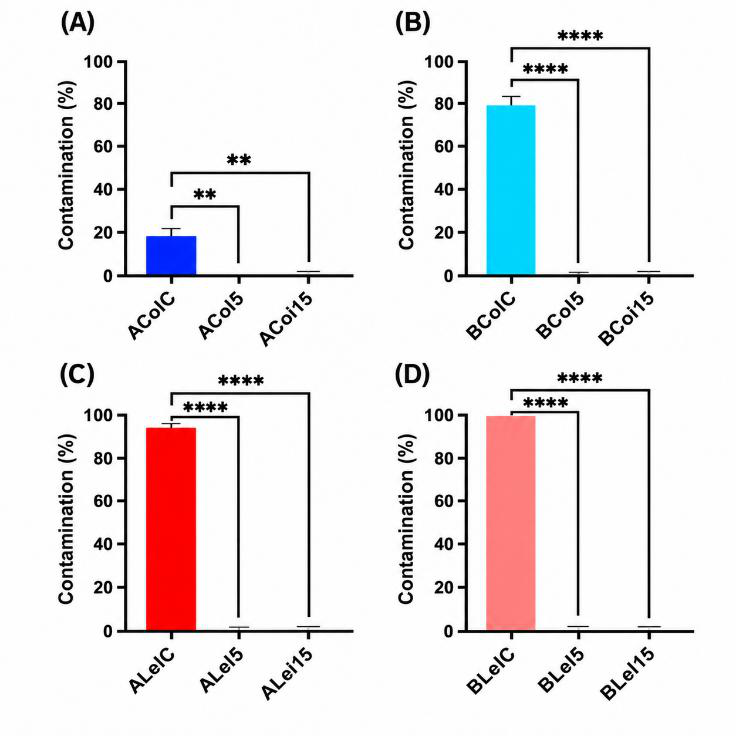
The researchers exposed seeds from two different ecotypes of Arabidopsis thaliana to CAP for varying durations (5 and 15 minutes) to assess its decontamination effectiveness. The results revealed that:
- CAP significantly reduced fungal contamination levels on treated seeds, with 15 minutes of exposure eliminating nearly all detections of fungi.
- Despite this reduction in fungal presence, germination rates remained unaffected, indicating that the seeds retained their viability after treatment.
- Exposure to CAP altered the structure of the fungal communities associated with the seedlings. For instance, dominant fungi diminished, while others, initially present in lower numbers, thrived following treatment.
Ecological Implications of Plasma Treatment
One of the most intriguing aspects of the research is the ecological impact of CAP on the fungal communities. The treated seeds showcased dramatic shifts in fungal composition, which could potentially enhance plant health and resilience. This reshaping of microbial communities suggests that CAP could lead to more robust seedlings capable of thriving in diverse environments.
Practical Applications in Agriculture
The findings of this study have significant implications for sustainable agriculture. By reducing reliance on chemical fungicides, CAP presents a viable option for decontaminating seeds, which can improve crop yield and reduce environmental hazards caused by agricultural chemicals. Future research could extend these findings to other crops and explore how these microbial changes affect plant growth and resistance to disease.
In conclusion, the research conducted by Taras et al. marks a promising step toward innovative agricultural practices that harness the power of cold atmospheric plasma, potentially leading to healthier plants and more sustainable farming methods.
Authors: {Léna Taras, Nicole Chaumont, Caroline Kunz, Thierry Dufour, Christophe Bailly}


