
Revolutionizing Agricultural Software Security with the AgOSS Dataset: A Call to Action
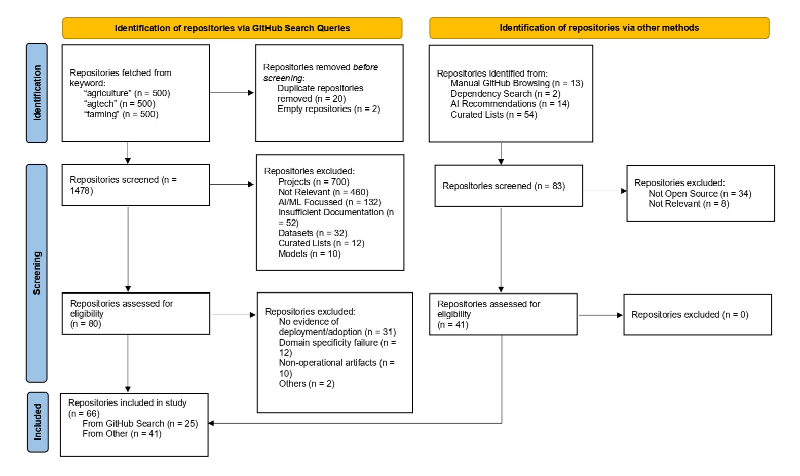
In a groundbreaking study, researchers from Purdue University have unveiled the AgOSS dataset—a significant resource aimed at enhancing the security of open-source software (OSS) used in agriculture. This dataset and its comprehensive analysis provide critical insights into the vulnerabilities and governance of agricultural software, laying the groundwork for improved security practices in a sector increasingly reliant on digital technologies.
The Growing Importance of Agricultural OSS
As agriculture evolves into a "smart farming" era characterized by sophisticated digital infrastructure, the reliance on open-source software continues to rise. The AgOSS dataset contains 66 repositories categorized across various layers of agricultural technology, from cloud-based management systems to field-deployed sensors. With the precision farming market projected to expand significantly—from $15.1 billion in 2025 to $38.8 billion by 2033—securing this software ecosystem is crucial for maintaining operational efficiency and safeguarding against potential cyber threats.
Key Findings of the Study
The team employed multiple measures, including the OpenSSF Scorecard, governance metrics, and vulnerability assessments, to evaluate these repositories. Notably, they discovered two crucial findings:
- Governance Is Independent of Dependency Risk: Despite a lack of correlation between community activity and known vulnerabilities, the study revealed that governance quality does not necessarily mitigate inherited risks associated with third-party dependencies.
- Size and Maturity Matter: While agricultural projects scored lower on governance metrics compared to their non-agricultural counterparts, this discrepancy was largely attributed to the size and maturity of the projects rather than the agricultural domain itself.
What This Means for Security Practices
This research challenges the notion that agricultural software needs unique security measures. Instead, the authors argue for investing in contributor capacity and enhancing dependency management practices across the board. With governance metrics proving to be largely decoupled from actual vulnerability counts, focusing on contributor engagement and active management of software dependencies could yield more significant security benefits.
Looking Ahead: The Road to Secure Agricultural Software
The authors urge stakeholders in the agricultural sector to prioritize resource allocation towards developing sustainable contributor communities and improving the hygiene of software dependencies. As agriculture continues to integrate more technology, understanding the intricate security landscape will be fundamental to mitigating risks and advancing the capabilities of agricultural OSS.
The AgOSS dataset acts as a pioneering step towards a secure future in agricultural technology, calling for a collective effort to uplift the OSS community and foster safer practices that ensure the resilience of digital agriculture.
Authors: Vatsal Dudhaiya, Mikhail Golovenchits, Aryan Banerjee, James C. Davis




