
Revolutionizing CPU Performance Analysis: Meet Catscan and Event Streams!
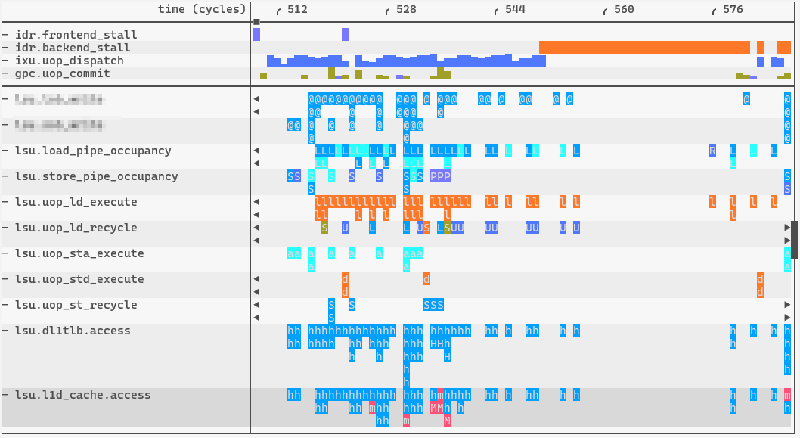
In the realm of computer architecture, understanding how a CPU performs is key to designing more efficient processors. A new research paper by Aaron Lindsay et al. introduces two groundbreaking tools—event streams and Catscan—developed at Ampere Computing, which promise to transform the way CPU architects visualize and analyze performance data.
The Challenge of CPU Complexity
Modern CPUs have become increasingly complex, featuring advanced functionalities like out-of-order execution and deep speculation. These sophisticated designs create a significant challenge for architects, making it difficult to diagnose performance problems before the silicon is manufactured. Traditional methods often rely on raw performance statistics, leaving engineers to sift through overwhelming text logs without a clear picture of the underlying issues.
Introducing Event Streams
The first innovation discussed in the paper is the concept of event streams—an open-source format for recording microarchitectural events and the relationships between them. Unlike previous tools that provided flat data, event streams capture the causal relationships that dictate CPU operation. This enables architects to track how individual transactions lead to performance symptoms. Think of it as moving from a simple list of facts to a detailed roadmap that shows you how all the pieces are interconnected.
Catscan: A New Era in Visualization
Complementing event streams, Catscan is a terminal-based interactive visualization tool designed to harness the power of these event streams. The creators aimed to build a more intuitive debugging environment that allows architects to explore complex data hierarchies with ease. Instead of getting lost in a maze of numbers, users can visually navigate through transactions, highlighting critical latencies and dependencies in a user-friendly format.
Key Features That Set Catscan Apart
Catscan introduces several novel functionalities:
- Transactional Exploration: Users can select high-level transactions and instantly highlight all connected lower-level events, making it clear how different operations interrelate.
- Advanced Search: It offers robust searching options, allowing engineers to filter specific events or instances effectively, catering to detailed analysis.
- Synchronized Trace Comparison: A unique feature that allows architects to analyze performance differences between various models or configurations, streamlining the debugging process.
Empowering the Community
Importantly, by releasing both Catscan and event streams as open-source tools, the researchers aim to empower both academics and industry professionals. This initiative opens the door for wider adoption and adaptation, allowing others to improve upon the foundational technology that underpins CPU performance analysis.
Conclusion: A Leap Forward
As processors continue to evolve, the tools we use for their design and analysis must keep pace. The innovations presented in this research—event streams and Catscan—address the inherent complexity of modern CPUs while paving the way for clearer, more effective debugging methods. This research not only enhances the performance analysis infrastructure at Ampere Computing but also sets a new benchmark for the broader industry.
By making these powerful tools available, Lindsay and his colleagues are championing a more transparent and effective approach to CPU architecture, ultimately benefitting engineers and consumers alike.
Authors: {Aaron Lindsay, Nicholas Kelly, Scott Witscher, Mahesh Madhav}


