Revolutionizing Education: The PAL System Thrives on Personalization and Real-Time Adaptation
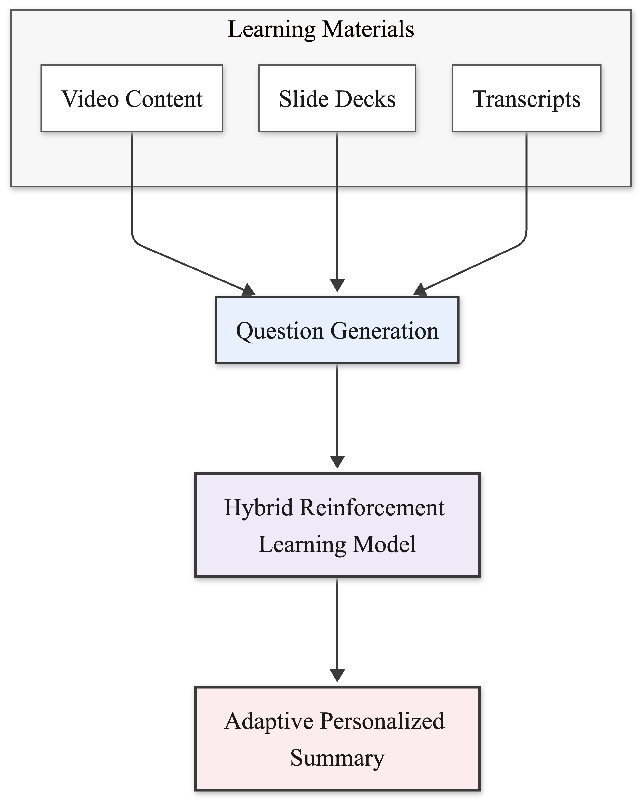
In the rapidly evolving landscape of digital education, the advent of artificial intelligence (AI) has ushered in new possibilities for personalized learning experiences. A noteworthy advancement in this field comes from a research team at the University of South Carolina, who have developed the Personal Adaptive Learner (PAL). This innovative AI-driven platform goes beyond static educational approaches by dynamically adapting to the unique learning needs of each student in real time.
Breaking Free from the Traditional Model
Conventional AI education platforms often rely on predefined quizzes and a one-size-fits-all pacing, which leaves learners either disengaged or overwhelmed. The introduction of PAL seeks to address these shortcomings by transforming traditional lecture formats into interactive learning sessions. By analyzing various multimedia content continuously, PAL engages learners with questions of varying difficulty as they progress, ensuring a tailored educational experience.
The Mechanics of PAL: How Real-Time Adaptation Works
At the heart of PAL’s functionality is its sophisticated Hybrid Reinforcement Learning (RL) algorithm, allowing for a fluid balance of stability and exploration in personalized learning. As students interact with the platform, PAL measures aspects of their performance—including accuracy, response time, and confidence levels—to adjust the difficulty of questions in real time. This means that a learner encountering difficulties won’t be left struggling; instead, they’ll receive appropriately challenging material designed to keep them engaged.
Personalized Summaries: Reinforcing Learning Outcomes
One of the standout features of PAL is its ability to generate personalized summaries at the end of each session. By using semantic analysis and AI-driven models, PAL crafts a recap that highlights mastered concepts and identifies areas for further exploration. This not only helps reinforce key ideas but also presents them in a context that resonates with the learner’s interests—making the learning experience not just informative but engaging as well.
A Leap Toward Scalable, Equitable Education
By merging multimodal content analysis with adaptive decision-making processes, PAL stands to revolutionize the way educational content is delivered. The research highlights a significant leap forward from static personalization towards a responsive system that truly understands and adapts to individual learners. As PAL continues to evolve, its creators aim to expand on collaborative learning features and evaluate its broader impact in classroom settings.
In summary, the Personal Adaptive Learner represents a significant advancement in the use of AI for personalized education, promising not just better engagement but more effective learning outcomes for students everywhere.
Authors: {Megha Chakraborty, Darssan L. Eswaramoorthi, Madhur Thareja, Het Riteshkumar Shah, Finlay Palmer, Aryaman Bahl, Michelle A Ihetu, Amit Sheth}

