
The Cosmic Connection: How Supernova Neutrinos Might Hold the Key to Life’s Homochirality
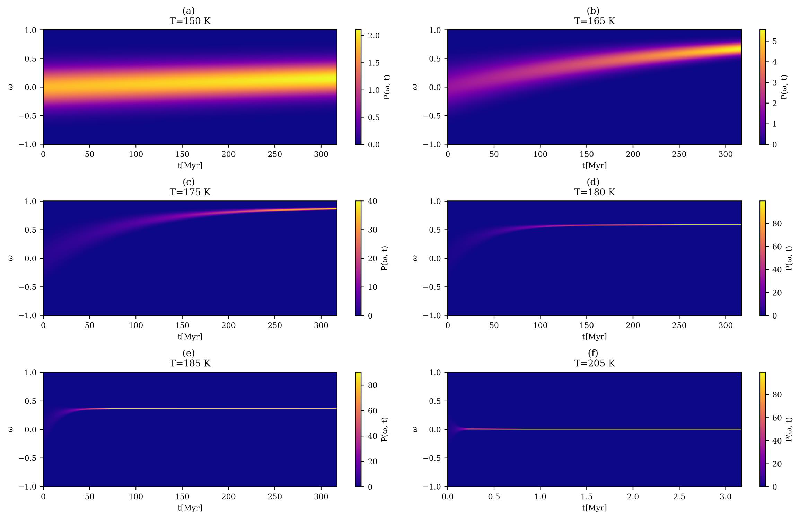
An intriguing new study suggests that the seeds of life on Earth may have a cosmic origin, facilitated by supernova neutrinos. This research explores how these elusive particles could influence the formation of biomolecules with specific chirality, a characteristic vital for life as we know it.
The Mystery of Homochirality
Homochirality refers to the predominance of one chiral form of biomolecules, such as amino acids, over the other—like left-handed versus right-handed molecules. This phenomenon is not just a curious quirk of biology; it’s considered fundamental to the formation of life. For over a century, scientists have pondered how this homochirality emerged in the primordial soup of Earth.
Neutrinos: The Ghostly Influencers
Neutrinos are nearly massless particles produced during nuclear reactions in stars, particularly during supernova explosions. They interact very weakly with other matter, making them hard to detect, but their potential influence on chemical processes is profound. The researchers propose that supernova neutrinos may interact with chiral molecules in interstellar clouds, creating an imbalance in the formation of left and right-handed molecules.
A New Model for Understanding Life's Origins
The innovative model presented by Amirmasoud Jannat and colleagues incorporates neutrino interactions directly into the chemical processes that lead to racemization—the conversion between chiral states. By introducing a directional bias influenced by parity-violating effects, the researchers suggest that this could lead to a significant enantiomeric excess of over 10%, aligning with observations made in meteorite samples.
Astrophysical Scenarios for Life’s Chemical Seeds
One striking aspect of the research highlights the potential for meteorites, which may have originated from environments rich in supernova neutrinos, to carry these homochiral molecules to Earth. This connection opens new avenues for understanding how life might not only have originated on our planet but could also exist elsewhere in the universe.
Implications for the Origin of Life
The implications of this research are vast, as it suggests that the conditions leading to life could be more widespread than previously thought. If supernova events play a role in creating the necessary biological building blocks, similar processes could occur throughout the cosmos, potentially seeding other planets with the ingredients for life. This research, combining astrophysics with chemistry, provides a novel perspective on one of the most enduring questions in science—how did life begin?
Conclusion
This study not only sheds light on the intricate web connecting cosmic events to biological processes but also enhances our understanding of the fundamental principles governing life itself. As we continue to explore the universe, the findings serve as a reminder that the origins of life may be intricately woven into the very fabric of the cosmos.
Authors: Amirmasoud Jannat, Soroush Shakeri, Farhad Shahbazi




