
Transforming Biomedical Research: Rethinking Usability in Spatial Omics Visualization
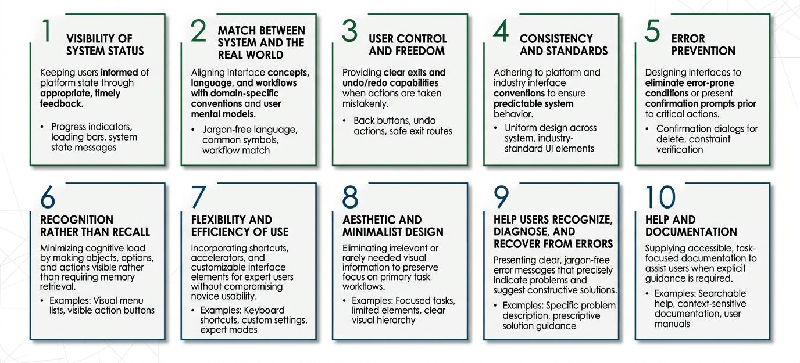
In a groundbreaking study, researchers have reevaluated how usability is approached in the realm of biomedical visualization, particularly focusing on spatial omics platforms. This innovative research aims to improve user experience and enhance productivity among multidisciplinary teams engaging in complex biomedical data interpretation.
The Challenge of Complexity in Biomedical Visualization
The rapidly evolving field of clinical research informatics (CRI) has made significant strides, integrating advanced tools that assist researchers in extracting insights from dense datasets. However, as these tools become more sophisticated, they often present unfamiliar interfaces that can confuse even the most experienced users. The study highlights that traditional usability frameworks, while effective in flagging certain issues, fail to address the unique cognitive obstacles presented by high-dimensional biomedical data.
A New Approach to Evaluating Usability
To address these limitations, the researchers conducted two complementary studies involving a total of 39 participants, which included both undergraduate students and clinical professionals. Through engaging tasks and observational data, they discovered that conventional usability heuristics—such as Nielsen’s principles—were insufficient for the specific challenges inherent in CRI software. Participants often struggled with navigation and understanding complex visualizations, indicating a pressing need for tailored evaluative criteria.
Introducing Specialized Usability Heuristics
The study proposes three new, specialized heuristics to improve usability in spatial omics platforms:
- Active Parameter Transparency: Ensures users can easily see which data features are currently being analyzed.
- Point-of-Use Guidance: Provides inline contextual help directly within the interface to support user decision-making.
- Phased Feature Disclosure: Gradually introduces users to more complex features instead of overwhelming them with information at once.
Implementing these heuristics can enhance the usability of biomedical visualization tools and support users in navigating complex datasets more effectively.
Implications for Future Research and Practice
This research underscores the necessity of incorporating user feedback during the development of CRI tools. By recognizing the need for domain-specific usability criteria, this study sets a precedent for future innovations in the field. The researchers advocate for a shift in usability evaluation from a secondary consideration to a fundamental aspect of the development lifecycle, ensuring that emerging biomedical technologies are accessible, effective, and user-friendly for diverse research teams.
In essence, the study not only highlights current usability challenges but also paves the way for creating more intuitive and supportive tools that empower researchers to leverage the full potential of spatial omics and advanced biomedical analytics.
Authors: Yulia A. Levites Strekalova, PhD, MBA, Rachel Liu Galvin, PhD, MBChB, Jessica M. Ray, Samuel P. Border, PhD, Mishal Khan, MHA, Samantha Hoffman, MMS, MBA, Christina D. Beharry, MHSc, Katie Kloss, BA, Philipp Haessner, PhD, David Manthey, Sanjay Jain, PhD, Michael T. Eadon, MD, Laura Barisoni, MD, and Pinaki Sarder, PhD.




