Unlocking Graph Theory: Minecraft-Based Learning Transforms Abstract Algorithms into Action!
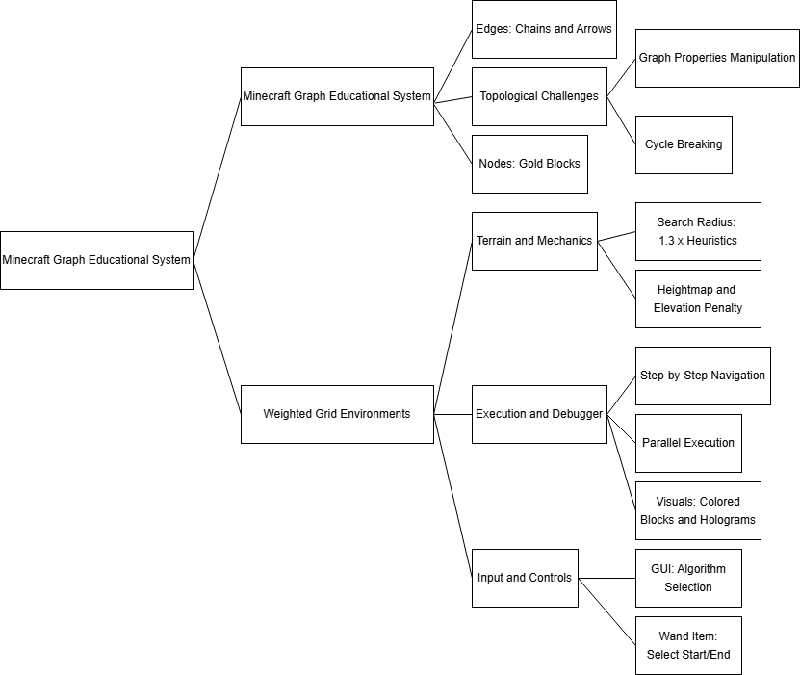
In an innovative approach to computer science education, researchers at the University of Bucharest have developed a cutting-edge Minecraft modification aimed at demystifying the complexities of graph theory. As traditional teaching methods often leave students struggling to grasp abstract concepts, this new tool brings algorithms to life through interactive gameplay, allowing learners to visualize and manipulate graph structures in a vibrant, gamified environment.
The Challenge of Abstract Learning
Graph theory is a fundamental aspect of computer science, yet many students find it challenging to connect theoretical concepts to practical applications. The overwhelming cognitive load of transitioning from abstract representations to coding can hinder understanding and engagement. Recognizing this gap, the authors of the study sought to create an educational tool that not only elucidates these concepts but also transforms students from passive listeners to active participants in their learning journey.
Introducing the Minecraft Modification
The proposed system, described in the research paper titled "fBlock-Based Pathfinding: A Minecraft System for Visualizing Graph Algorithms," uses the popular game Minecraft to facilitate learning. The platform employs a three-layer architecture that comprises:
- Grid Traversal Module: Terrain types like soul sand and ice represent different edge weights, providing a gamified experience for studying shortest path algorithms.
- Sky Graph Module: This interactive feature allows users to manipulate 3D directed and undirected graphs, enhancing spatial awareness and comprehension.
- Educational Lessons and Quizzes: Integrated within the game, these materials reinforce learning and assess understanding.
Benefits of Game-Based Learning
The integration of game-based elements into education has been shown to significantly increase student engagement. With nearly 32 million daily active players on Minecraft, the researchers leveraged the game’s immersive and interactive nature to create a learning environment that not only captures attention but also fosters deeper understanding. By allowing students to "play" with algorithms, the system aids in simplifying complex graph concepts making them more accessible.
A Hands-On Approach to Graph Algorithms
Using specially designed tools, students can visualize and manipulate graph algorithms in real-time. For example, learners select start and end nodes and can observe how traversal algorithms like Dijkstra and A* function visually, witnessing the decision-making process as the algorithms progress through the terrain. This hands-on interaction reduces the cognitive load and keeps students actively engaged in problem-solving.
Future Directions and Empirical Evaluation
Looking ahead, an empirical evaluation is set to assess the effectiveness of this Minecraft modification in the classroom. Planned studies will measure student engagement, cognitive load, and long-term knowledge retention, providing valuable insights into the pedagogical efficacy of this approach. The research team aims to expand the system with advanced features, such as an in-game reward economy to further motivate students and enhance the learning experience.
This creative fusion of gaming and education highlights a growing trend in academic circles—leveraging interactive technology to make learning more effective and enjoyable. Through this Minecraft-based system, the complexities of graph theory are not just learned but experienced, empowering a new generation of computer scientists.
Authors: {Luca-Ștefan Pîrvu, Bogdan-Alexandru Măciucă, Andrei-Ciprian Râbu, Adrian-Marius Dumitran}

