
Unlocking the Mysteries of Type Errors: A Revolutionary Highlighting System for Programmers
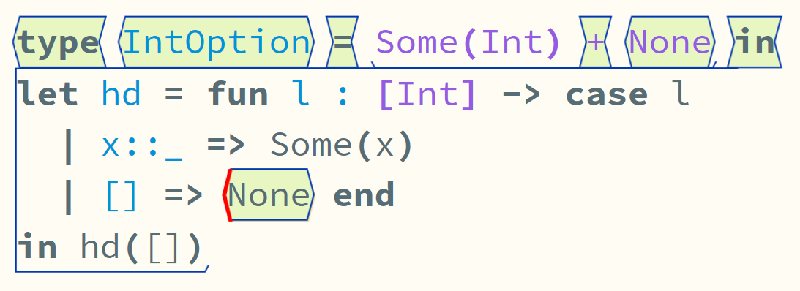
Programming can sometimes feel like solving a complex puzzle, especially when it comes to understanding type errors. Addressing this challenge, researchers from the University of Cambridge—Max Carroll, Anil Madhavapeddy, and Patrick Ferris—have developed a groundbreaking approach titled "Decomposable Type Highlighting for Bidirectional Type and Cast Systems." This innovative system aims to enhance programmers' understanding of static and dynamic type systems, thereby streamlining the debugging process.
The Challenge of Type Errors
In programming languages, type errors can be especially vexing. Static type errors often point to a specific code line, but they can overlook broader context where the actual issue lies—resulting in misleading blame. In fact, studies show that in OCaml, around 65% of type errors involve multiple locations in the code.
On the other hand, dynamically typed languages typically lack specific context for errors, relying on execution traces that can be complex and difficult to interpret. This dual nature complicates the debugging process for developers across various programming environments.
A Decomposable Solution
The core of the proposed solution is a decomposable highlighting system that effectively sheds light on how static types and dynamic casts are derived. By defining mathematical foundations for this system, the researchers aim to allow users to interactively explore why certain expressions possess specific types.
This means that programmers can decompose highlighted segments of code based on their influence on the overall type, allowing them to focus on parts they do not fully understand. In essence, it’s like having a digital guide that walks you through complex coding issues, illuminating the 'why' behind type assignments and errors.
Preliminary Implementation in Hazel
The research includes a practical prototype implementation in the gradually typed Hazel programming language. This implementation features a web-based user interface that highlights the importance of type-level debugging. It not only aids programmers in fixing issues but also enhances their understanding of the underlying type systems.
For example, when a programmer interfaces with the prototype, they can see exactly which parts of their code are causing type errors, how those parts interact, and why certain types are assigned to expressions. This interactive feedback loop encourages learning and reduces frustration in troubleshooting.
Future Prospects
While the current groundwork is promising, the authors also highlight plans for future research. They aim to explore how to refine this system further to support polymorphism and recursive types, as well as to provide better user interface elements that enhance user experience.
Ultimately, this research seeks to transform how coders address type-related difficulties, empowering them through a clear and educational approach. By making type systems more readable and interactive, it hopes to nurture not just better programmers but also a broader understanding of programming languages themselves.
As programming continuously evolves, innovative ideas like this offer a glimpse of a future where understanding code could become more accessible—turning complex problems into solvable challenges.




