Unlocking the Secrets of Chromatin: How BRD4 Utilizes Co-condensation to Enhance Gene Regulation
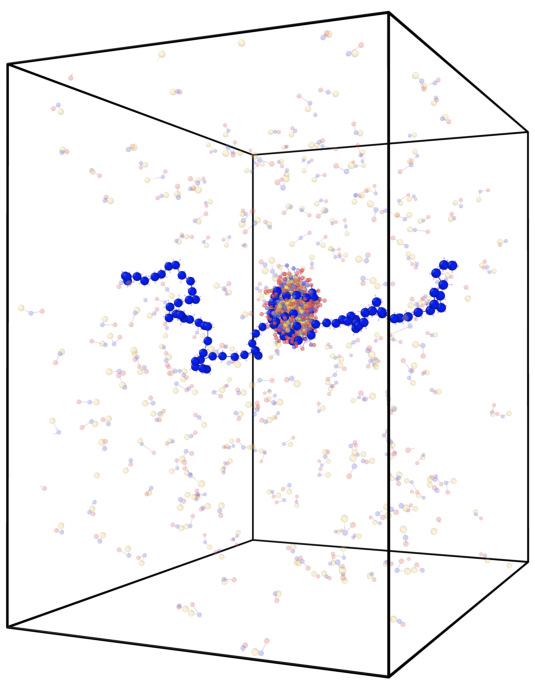
Recent research from Princeton University delves into the intricate workings of biomolecular condensates, particularly focusing on the role of BRD4 in the regulation of gene expression. The study, led by Yury Polyachenko and his colleagues, uncovers how BRD4 assemblages are formed and stabilized in living cells, highlighting the mechanisms of co-condensation and multivalency that allow for precise gene targeting amid fluctuating concentrations of proteins.
The Challenge of Biomolecular Condensates
Biomolecular condensates, which are membrane-less organelles formed within cells, play crucial roles in various biological processes, from transcriptional regulation to RNA processing. However, the precision required in their formation presents a paradox: how can these condensates respond sensitively to local chemical cues while maintaining stability against changes in protein concentration? The research team aimed to answer this very question.
Understanding Co-condensation and Multivalency
The research highlights that BRD4, a transcription regulator capable of binding to acetylated histones, utilizes both co-condensation and multivalent binding to enhance its interaction with chromatin. Co-condensation allows BRD4 to assemble effectively on acetylated chromatin regions while preventing unwanted aggregation elsewhere in the nucleus. This phenomenon occurs when BRD4 associates with chromatin in such a way that the assembly persists below typical saturation concentrations.
Additionally, the multivalent nature of BRD4, with multiple domains capable of binding to multiple acetylation sites on histones, sharpens its sensitivity to the acetylation density. This leads to stronger interactions in highly acetylated regions, creating a significant contrast with less active zones, which is critical for precise gene regulation.
The Simulation Insights
Using ultra-coarse-grained molecular dynamics simulations, the researchers modeled BRD4-chromatin interactions. They noted that under specific conditions, BRD4 forms stable, finite-size assemblies on chromatin. This behavior is characterized by a strong suppression of off-chromatin condensation, which enhances the selectivity and robustness of these assemblies. The simulations followed the dynamics of assembly formation, suggesting that BRD4 gathers swiftly despite fluctuations in overall protein concentration.
Implications for Gene Regulation
The findings from this research have profound implications for our understanding of how nuclear dynamics influence gene expression. By providing a clearer picture of how BRD4 can accurately target specific areas of the chromatin, the study opens avenues for potential therapeutic interventions in genetic disorders where dysregulation of such mechanisms is implicated.
Ultimately, this research paves the way for more detailed investigations into the spatial and temporal control of gene activity, tying together the importance of biophysical properties in cellular function.
These results provide not only a compelling view of the mechanisms behind BRD4 assembly but also raise important questions about the fundamental biological processes involving biomolecular condensates as essential hubs of cellular activity.
Authors: Yury Polyachenko, Hans-Frederick Watanabe, Alexei Korolev, William M. Jacobs

