Unveiling the Ecological Enigma: How Environmental Fluctuations Shape Species Abundance
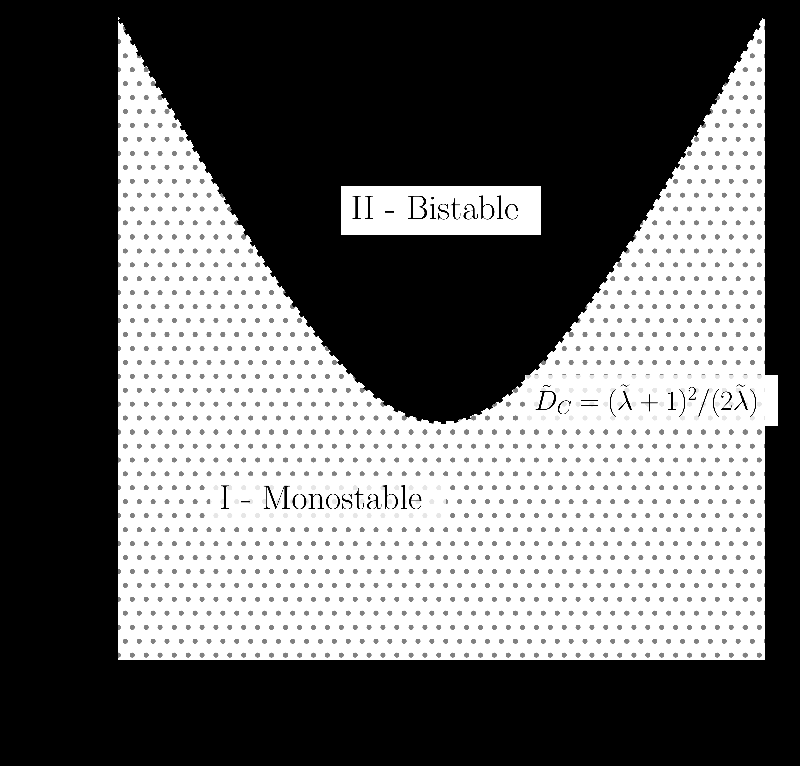
Researchers James F. D. Henderson and Andreas Tiffeau-Mayer from University College London have made groundbreaking discoveries in understanding how fluctuating environments drive significant variability in species abundance across different locations. Their study offers a fresh perspective on the ecological intricacies of species interactions, revealing that even in the absence of location preferences, environmental changes can greatly impact species populations.
The Core of the Research
The research investigates a minimal model of a spatially compartmentalized ecosystem experiencing time-averaged neutral competition alongside location-dependent environmental fluctuations. This innovative approach allows the authors to measure how various factors such as species migration and environmental noise influence species abundance across locations.
Key Findings and Insights
One of the main revelations is the concept of "two-point inequality," defined as the log-ratio of a species’ abundance between two locations. The researchers provided an analytical framework to characterize how the balance of relaxation through migration and the strength of environmental fluctuations determines the distribution of species abundance differences. Specifically, their findings suggest that environmental noise can induce a transition to a bimodal distribution of species abundance, particularly in situations where temporal correlations exist in environmental changes.
The Importance of Temporal Correlation
Temporal correlations in environmental fluctuations have significant implications for species abundance. The study delineates that, as most natural environments generate correlated fluctuations, understanding these correlations is vital for predicting species dynamics. One fascinating aspect of the research shows that under certain conditions, environmental fluctuations can lead to unexpected states, which are not present in deterministic dynamics, demonstrating the complex interplay between noise and ecological stability.
Broader Implications
Beyond ecology, this research holds considerable importance in understanding how fluctuations may affect economic systems. The authors relate their findings to market dynamics, suggesting that the principles discovered in ecological systems can also apply to wealth distribution among economic agents. The insights could pave the way for new models that better account for temporal correlations in economic behaviors.
Conclusion
In essence, Henderson and Tiffeau-Mayer's research sheds light on a fundamental ecological rule: that fluctuation-driven variability is a core component of biodiversity. As species respond dynamically to their changing environments, this model provides a crucial theoretical backdrop for future ecological studies, particularly in the adaptive immune system and beyond. Their work not only fits into ecological theory but also suggests pathways for future interdisciplinary research across biology and economics.
Authors: James F. D. Henderson and Andreas Tiffeau-Mayer

