A Game-Changer for Mountain Lions: California's New Protections
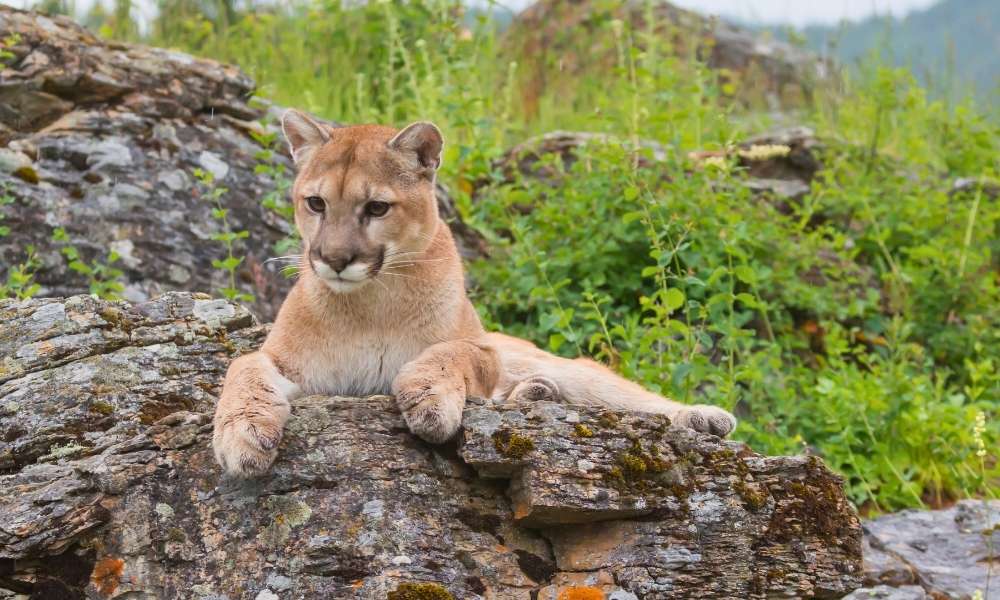
In a significant victory for wildlife conservation, the California Fish and Game Commission has voted unanimously to grant state threatened species protections to several mountain lion populations across central and southern California. This momentous decision marks a crucial step in safeguarding the future of these majestic big cats, officially listing them as threatened under the California Endangered Species Act (CESA).
Protecting a Vital Ecosystem
The newly designated region for mountain lions stretches from the Santa Cruz Mountains to the Eastern Peninsular Ranges near the California-Mexico border. This area is home to an estimated population of more than 1,400 mountain lions, accounting for roughly half of the state's total mountain lion population. The move comes as these animals face mounting challenges due to habitat fragmentation, vehicle strikes, and loss of genetic diversity.
A Step Toward Coexistence
Under the new protections, state agencies are now required to take into account the impacts on mountain lions and their habitats during the approval of development projects within the designated regions. This change aims to enhance conservation strategies, including the establishment of wildlife crossings and movement corridors that facilitate safe passage for these big cats across highways and urban areas.
Conservationists argue that this new designation not only recognizes the pressures facing mountain lions but also emphasizes the need for human-driven solutions to ensure their survival. By adopting protective measures and improving habitat connectivity, California has taken a significant step toward ensuring that mountain lion populations do not decline further.
Looking Ahead
As California endeavors to balance development with wildlife conservation, this decision stands as a testament to the state's commitment to preserving its natural heritage. Mountain lions, often misunderstood, play an essential role in maintaining ecological balance as apex predators. With these new protections in place, there is hope for a future where both human communities and wildlife can coexist harmoniously.

