A New Era of Hope: Malaria Vaccine and Innovation in Times of Crisis
This week, multiple impactful developments have emerged that highlight both health advancements and human resilience in the face of adversity. From significant reductions in malaria-related child deaths to innovative responses to destruction, the news is filled with positive advancements that deserve attention.
Malaria Vaccine Significantly Reduces Child Mortality
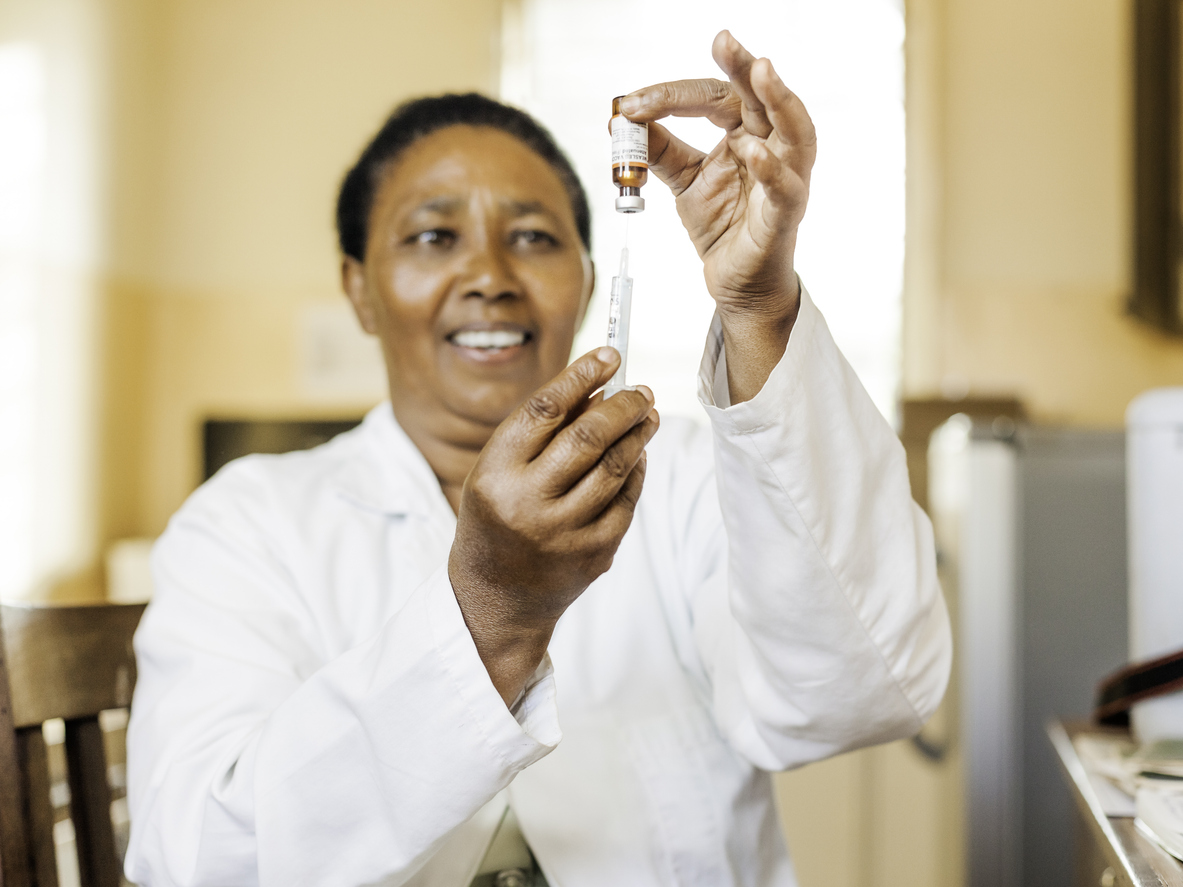
A landmark report published this week reveals that African countries that began administering the RTS,S malaria vaccine have seen a significant reduction in child deaths. The study, which monitored infant mortality rates over four years in Ghana, Kenya, and Malawi, indicates that one in eight child deaths has been avoided since the introduction of this crucial vaccination. With malaria accounting for around 600,000 deaths annually—mostly among children in Africa—this vaccine represents a crucial turning point in combatting child mortality across the continent.
In total, 25 African nations are now providing malaria vaccinations for children, demonstrating a collective commitment to protecting the most vulnerable populations. Experts, including Dr. Kate O’Brien from the World Health Organization, emphasize the need for additional funding to ensure that access to vaccines continues to improve and that more lives can be saved.
Innovative Solutions from Conflict Zones
In a remarkable story of resilience, two sisters from Gaza, who are living amid destruction, have developed an innovative method to repurpose rubble from bombed buildings into reusable construction blocks. Tala Mousa, 17, and her sister Farah, 15, have found a way to transform the remnants of their community into materials that could help rebuild. Their technique was recognized recently when they were named Middle East Winners in the Earth Prize 2026, a global competition that nurtures environmental innovation.
The sisters’ determination to turn destruction into rebuilding solutions speaks volumes about the human spirit’s capacity to adapt and innovate, even under dire circumstances. Their initiative not only aims to assist their local community but also serves as a source of hope and inspiration in challenging times.
Progress in Workers' Rights and Environmental Protection
In a recent development in Virginia, workers will soon be entitled to up to 12 weeks of paid leave, a significant win for employee rights in the U.S. This legislation, which will take effect by 2028, is set to provide crucial support for individuals giving birth, requiring long-term healthcare, or caring for family members. This measure represents an important step forward for family leave policies in the U.S., addressing longstanding gaps in worker protections.
Simultaneously, a Dutch court has made headlines by ruling that bottom trawling in marine protected areas is unlawful. This landmark decision not only protects vulnerable marine ecosystems but also sets a precedent for environmental regulation across Europe, thereby reinforcing the global movement towards sustainable fishing practices.
Collectively, these advancements mark a promising shift towards a better future, underscoring the impact of innovative health solutions, human resilience, and the ongoing fight for workers’ rights and environmental protection.

