A New Era of Trade: Mercosur and the EU Forge a Groundbreaking Agreement
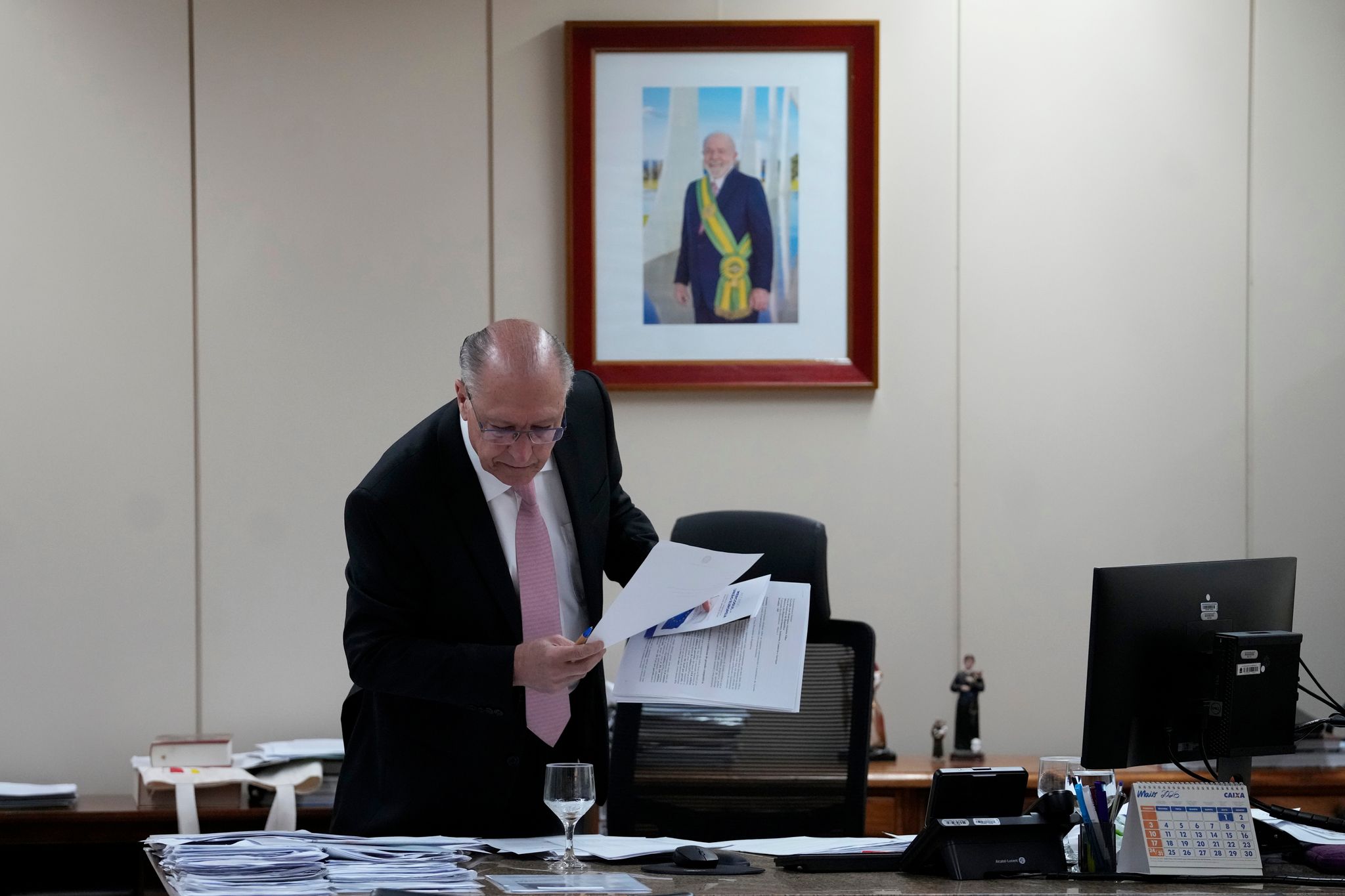
In a significant development for international trade, the long-awaited agreement between the South American bloc Mercosur and the European Union has taken effect provisionally. This decision marks a historic moment in which a trans-Atlantic market valued at an estimated $22 trillion will connect around 720 million potential consumers, opening the door to increased economic collaboration and growth across both regions.
Impacts on Exports and Economic Growth
Many nations involved in the deal anticipate a favorable outcome for their economies, with projections indicating that some could see their exports rise by more than 10% by 2038 as the agreement is fully implemented. This trade deal, initially signed in January, presents a valuable opportunity for EU businesses, consumers, and farmers alike, all of whom are poised to benefit from new export possibilities with adequate protections in place.
A Step Towards Multilateralism
Brazilian President Luiz Inácio Lula da Silva, a vocal supporter of the agreement, emphasized its significance as a reaffirmation of multilateralism and diplomacy between nations. “Nothing better than believing in the exercise of democracy, in multilateralism, and in cordial relations between nations,” he stated during a celebratory ceremony in Brasilia, recognizing the end of over 25 years of negotiations that culminated in this historic agreement.
Global Influence and Future Prospects
The implementation of this trade deal could serve as a counterbalance to unilateral trade actions seen in recent years. As highlighted by Lia Valls, an associate researcher at Fundacao Getulio Vargas, this agreement represents a positive sign of cooperation between powerful economic blocs at a time when multilateral systems face significant challenges. The collaboration is not just beneficial for Mercosur and the EU but could inspire other regions to engage similarly in trade negotiations.
Challenges Ahead
While the agreement opens numerous doors for economic collaboration, it has also faced criticism and opposition from various stakeholders, including European farmers and environmental groups. Concerns regarding competitive pressures and the enforcement of environmental standards are being carefully monitored. Nonetheless, the deal embodies a strategic step forward, gradually dismantling trade barriers while incorporating measures to protect vulnerable sectors within Europe.
The EU and Mercosur agreement is more than just a trade pact; it signifies a commitment to open markets and shared prosperity. As both sides navigate the complexities of this new arrangement, the potential for economic growth and strengthened relations presents an encouraging outlook for the future of global trade.

